Trek from the lush valleys near Phaplu through terraced fields, dense forests, and high ridges to the Pikey Peak base and summit
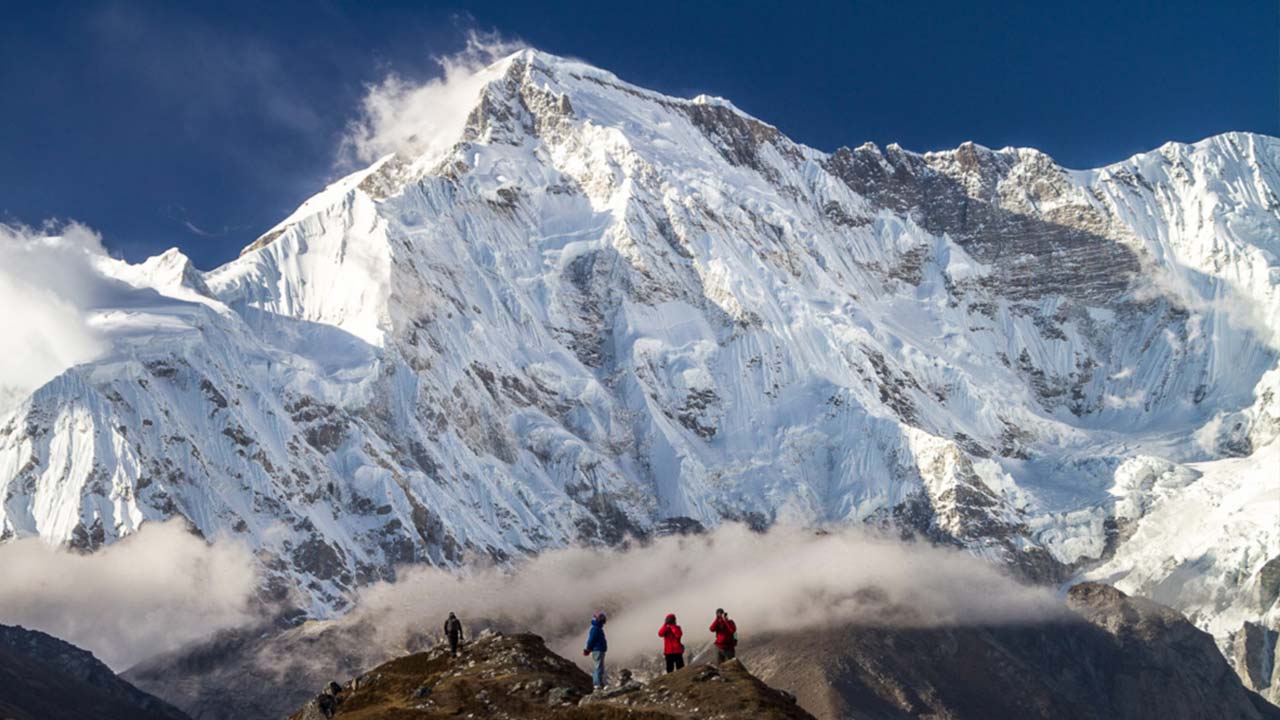
Reach the summit of Pikey Peak (4,065m/ 13,336ft) and enjoy panoramic views of Everest, Kanchenjunga, Makalu, Lhotse, Gaurishankar, Dhaulagiri, and other eastern Himalayan peaks
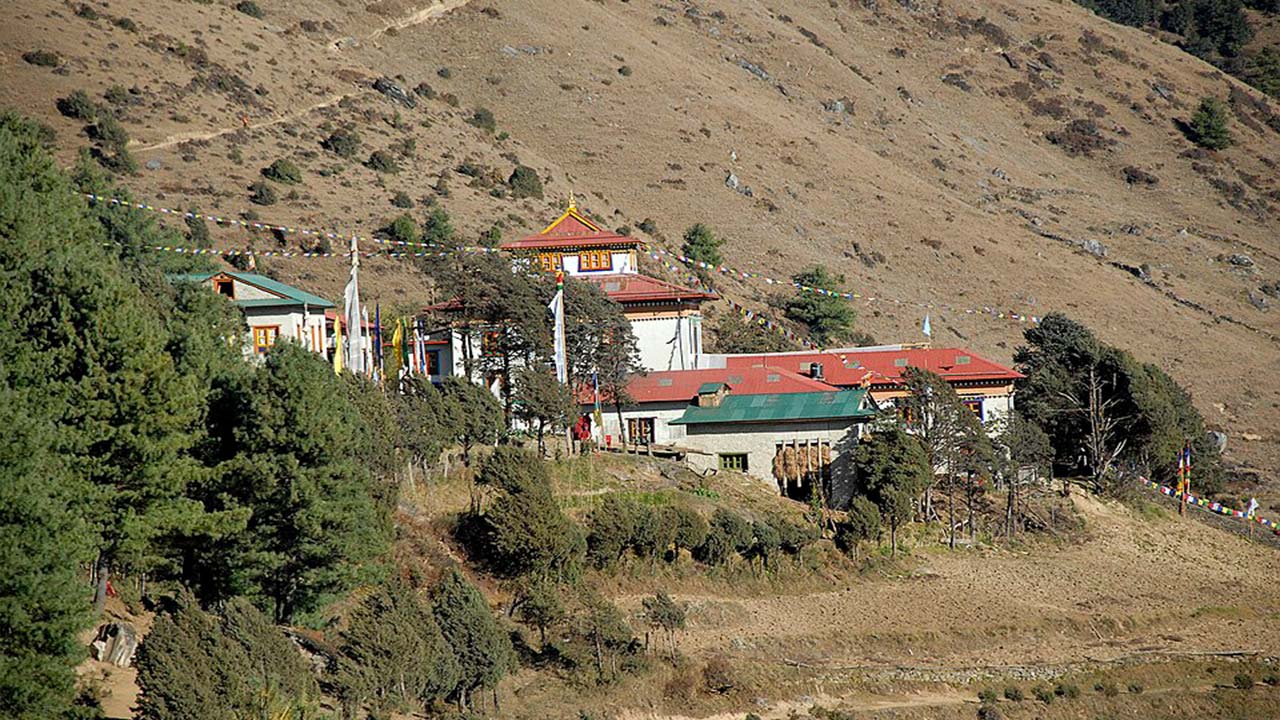
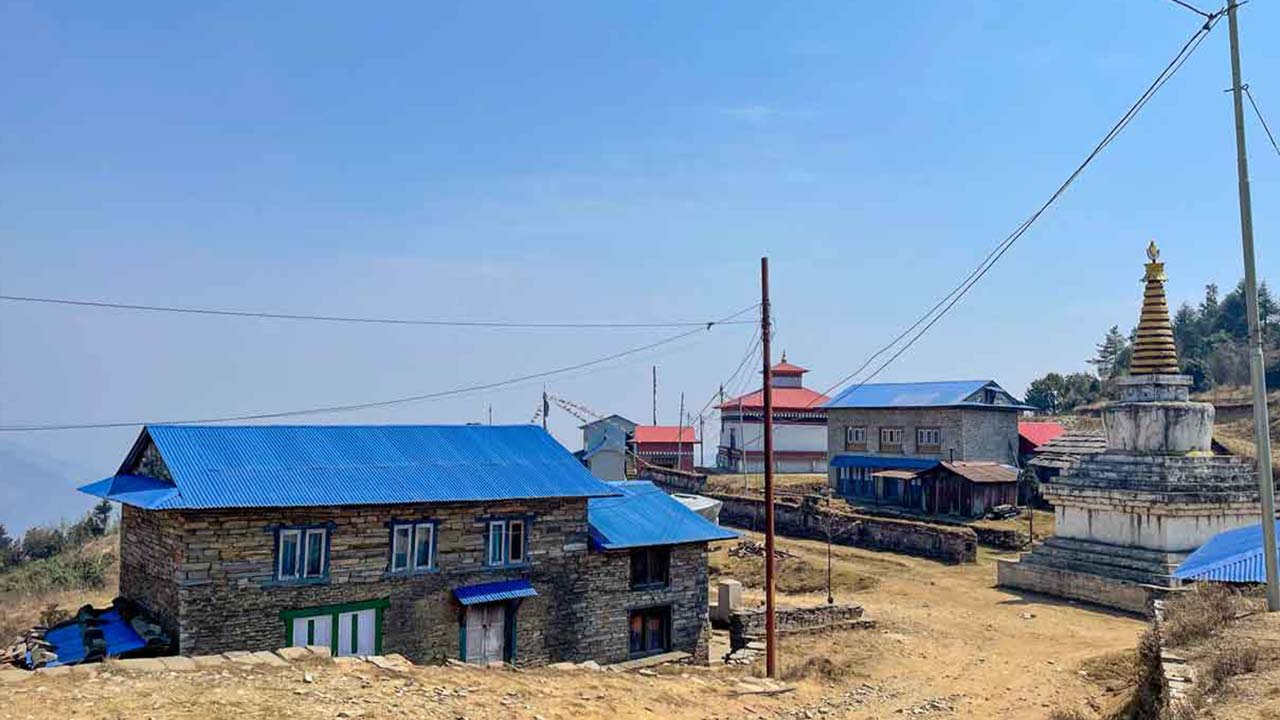
Walk through remote Sherpa villages such as Junbesi and Jhapre, observing traditional culture, monasteries, prayer flags, and authentic mountain lifestyles
Traverse quiet trails far from the crowded Everest routes, offering solitude and a peaceful trekking experience
Pass through mixed landscapes of lower forests, rhododendron-covered hills, and alpine meadows for varied trekking scenery
Stay in welcoming teahouses and lodges, enjoying authentic local cuisine and the warm hospitality of mountain communities
Enjoy a moderate high-altitude trekking challenge that builds endurance and confidence without requiring technical climbing experience
Observe diverse flora and fauna, including rhododendrons, magnolias, Himalayan birds, and exotic high-altitude wildlife of Sagarmatha National Park and Gaurishankar Conservation Area
Immerse yourself in a trail that combines nature, culture, and mountain views for an unforgettable Himalayan adventure
Trip Overview
Nestled in the serene landscapes of eastern Nepal, the Pikey Peak Trek is an iconic journey that combines breathtaking Himalayan vistas with the authentic Sherpa culture. Unlike the crowded trail of Everest Base Camp, this journey offers a quieter and more intimate experience, guiding you across the remote villages, terraced farmlands, lush forest and alpine ridges. On this eastern Himalayan route, your every step reveals a new panorama of the snow-capped peak dominating the horizon, prayer flags fluttering, and the slow rhythm of traditional mountain life that has remained unspoiled for centuries.
Your Pikey Peak Trek Nepal culminates at the summit of Pikey Peak, which is at an elevation of 4,065 meters (13,336 feet). From this vantage point, you will be able to enjoy the breathtaking sweeping views of Everest, Kanchenjunga, Makalu, Lhotse, Gaurishankar, Dhaulagiri, Numbur, Cho Oyu, and other adjacent peaks. Along the way, you will traverse the forested trails, a charming mountain stream, and traditional villages where warm hospitality and the local favours add color to your odyssey. Pike Peak Trekking is perfect for both first-time trekkers and seasoned trekkers seeking less-traveled paths.
In Overall, the Pikey Peak Trek is a balanced blend of physical challenge, cultural immersion, and serene natural beauty. It is not just another trek; it is a rare chance to step into a true Himalayan world that remains untouched by crowds and where every sunrise and sunset paints a new story across the canvas.
Day 01: Drive or flight from Kathmandu (1,400m/ 4,593ft) to Phaplu (2,413m/ 7,916ft): 8 hours
Day 02: Trekking to Junbesi (2,700m/ 8,858ft): 5 hours
Day 03: Trek to Lamjura La Hills (3,530m/ 11,581ft): 5 to 6 hours
Day 04: Trekking to Pikey Peak Base Camp (3,640m/ 11,942ft): 6 hours
Day 05: Climb to Pikey Peak (4,065m/ 13,336ft) and trek to Jhapre (2,921m/ 9,583ft): 7 to 8 hours
Day 06: Trekking to Dhap (2,850m/ 9,350ft): 6 hours
Day 07: Drive back to Kathmandu (1,400m/ 4,593ft) from Dhap: 7 to 8 hours
Cost Details
What's Included in Pikey Peak Trek
Airport pickup and drop-off by private vehicle.
Three meals a day (breakfast, lunch, and dinner) during the trek.
Trekking lodge (Tea House) accommodations throughout the trek.
All necessary paperwork: National Park Entry permit and Trekker’s Information Management System (TIMS) permit.
Kathmandu-Phaplu-Kathmandu flight with private airport transfer and domestic airport tax.
A highly experience,helpful knowledgeable, friendly, Englsh speaking well trained, Government License holder guide with all his salary, food, drinks, accommodation, transport and insurance.
Comprehensive medical supplies (first aid kit will be available)
Arrangement of emergency helicopter service (paid by your travel insurance company).
Use of sleeping bag, down jacket, duffel bag, and walking poles (if you don’t have your own, you need to return them after the trip is completed).
Eco Holidays Nepal T-shirt and cap.
Government taxes and official expenses.
Pikey Peak trekking map.
Oxymeter to check your pulse, oxygen saturation, and heart rate twice daily (very useful to check altitude mountain sickness (AMS) symptoms). This will ensure your trek is in the safest hands possible for all levels of trekker.
Assistant guide group size above 6 persons.
What's Excluded in Pikey Peak Trek
Meals whilst you are in Kathmandu: lunch and dinner.
Your Travel and Medical Insurance.
A Porter if needed ($160)
Your Personal Expenses.
All the alcoholic and nonalcoholic cold and hot drinks on the trek (i.e., those you choose to purchase along the way and during evenings in the tea houses).
All desserts are sweet things like chocolate, cake, pie, and pudding.
Hot shower and battery charging on the tea houses.
Tips for the guide, porter, and driver (tipping is expected).
Price & Availability
Group Discount Available
1 Person
US$ 910
2 - 5 Person
US$ 850
6 - 10 Person
US$ 790
Itinerary of Pikey Peak Trek - 7 days
Day 01
Drive or flight from Kathmandu (1,400m/ 4,593ft) to Phaplu (2,413m/ 7,916ft): 8 hours
Today, you will leave Kathmandu early in the morning for the long drive ahead, following the eastward trail. The traffic and hum of the slowly awakening city life give way to the terraced hillsides, river crossings, and the long stretches of rural Nepal. Your drive is slow in sections, but it gives you a clear picture of how dramatically the country changes once you leave the capital valley.
As you drive across Dhulikhel and into the Okhaldhunga district, the road starts to narrow down, and the settlements become smaller and farther apart. You will start noticing the details that didn’t exist in the city. Stone houses with slate roofs, grains drying in open courtyards, and villagers busy with their daily life, tending animals and crops, will give you insights into the rural way of life in this Himalayan country.
By late afternoon, you will arrive at Phaplu. This is a working hill town rather than just a tourist stop. There is a small domestic airport at the edge of the town. You can also visit the monastery above the main road or explore the market area where locals stock up on supplies. Phaplu is the administrative heart of the region, and it feels busy. After settling in at your lodge, you can take a short walk around the town and let your body adjust to the altitude.
Max. Elevation:2470
Duration:8 hours
Distance:272km(drive)
Day 02
Trekking to Junbesi (2,700m/ 8,858ft): 5 hours
This is the first trekking day of your Pikey Peak Trek itinerary 7 Days. After a warm breakfast at Phaplu, you will then begin your trek following the steep trail that drops toward the Phera Khola. Stone steps will lead your path across the scattered farmlands and traditional settlements. As you move along with your trek, you will also be able to witness the daily life of the locals in motion, children walking to school, animals being led to pastures, and farmers working on the fields.
After crossing the river, your trail begins to ascend across the villages like Beni and Ringmu. As you climb higher, the surroundings start to change gradually. The cultivated land gives way to forest, and the path starts to narrow down into shaded sections lined with prayer flags and mani stones. The climb is steady but manageable; you will have plenty of time to settle into a walking rhythm. As you gain altitude, the valley opens up, and you will start to see the traditional Sherpa homes built from stone and wood.
By mid to late afternoon, you will arrive at Junbesi, which is one of the oldest and culturally significant Sherpa villages in Solukhumbu. This village is spread across a wide basin and has monasteries and lodges spread across it. After settling in the gentle and calm atmosphere of Junbesi, you can also visit the Thupten Choling Monastery nearby, which is an important spiritual center in the region.
Max. Elevation:2700
Duration:5 hours
Distance:10km
Day 03
Trek to Lamjura La Hills (3,530m/ 11,581ft): 5 to 6 hours
After leaving Junbesi, your trekking trail begins to feel more remote. You will gradually climb through the farmlands on the outskirts of the village before entering thick rhododendron and pine forest. This trekking section is long, quiet, and continuous. There are no major villages along the way. You will just follow the forest trail and switchbacks, gradually gaining altitude. Your ascent toward Lamjura La is not steep but consistent, so your body will be able to adjust naturally.
The forested trail in this stretch is thick and mossy, especially during the spring season. And, from clear sections, you will be able to enjoy stunning views back toward the lower valleys. As you gain altitude, the air becomes thinner and cooler. You will maintain a steady pace and enjoy the truly mountainous scenery. Then, you will finally arrive at your destination by late afternoon. There are a few settlements along the high-forested ridge that offer basic accommodation and a quiet, isolated environment.
Max. Elevation:3500
Duration:5 hours
Distance:5.3km
Day 04
Trekking to Pikey Peak Base Camp (3,640m/ 11,942ft): 6 hours
This day’s adventure in your Pikey Peak Trek Nepal takes you closer to your main objective of the journey. From Lamjura La, the trail continues across the forest section and gradually ascends higher along the ridge. As you climb higher, the vegetation starts to thin and trees grow shorter as you push closer to the alpine zone. After passing small clearing and seasonal grazing areas, your trail opens up and reveals broader views of the surrounding peaks.
The final trekking stretch toward Pikey Peak Base Camp takes you across a mix of gradual ascents and exposed high ridges walking. You will reach the base camp by afternoon. It is set on an open ground with a stunning panoramic view of the surrounding peaks. This is a simple but powerful place, quiet and high. This base camp is perfectly placed for rest and acclimatization before your summit push the next morning.
Max. Elevation:3700
Duration:6 hours
Distance:7km
Day 05
Climb to Pikey Peak (4,065m/ 13,336ft) and trek to Jhapre (2,921m/ 9,583ft): 7 to 8 hours
You have finally reached the height of the Pikey Peak Trek itinerary 7 Days. Today, you will push for the summit of Pikey Peak, which is at an altitude of 4,065 meters (13,336 feet). This day starts early, way before sunrise. You will move out in the dark with headlamps lighting your way as you follow the gradual ridgeline toward the summit. The Pikey Peak Trek route to the summit is clear and steady. There are no technical sections along the way, but the altitude gain makes every step deliberate.
As you gain height, the landscape opens up completely. The forest drops away and is replaced by open ridges, prayer flags, and chortens. The climb doesn’t feel rushed or dangerous; it is just calm and expansive. As you reach the summit of Pikey Peak, the reward is immediate. On a clear morning, you will be able to enjoy the breathtaking mountain vistas that stretch from Everest, Lhotse, Makalu, and Kanchenjunga in the east, across to Gaurishankar, Numbur Himal, and Langtang in the west. Only a few viewpoints in Nepal offer such a broad Himalayan panorama at a relatively accessible height.
After spending time at the summit, you will make your descent along a different ridge and lose altitude quickly. The trail drops to yak grazing pastures and highland meadows where seasonal herder shelters and long lines of prayer flags mark the route. As you keep climbing downhill, the vegetation returns on the trail, and the air starts to get warmer with every step. You will then arrive at Jhapre by afternoon. This is a small but culturally rich Sherpa village that is perched on a ridge. The atmosphere in this village feels lived-in and personal after your summit. You will celebrate your successful summit here, in a tranquil and less crowded atmosphere with a strong local presence.
Max. Elevation:2850
Duration:7 hours
Distance:13.7km
Day 06
Trekking to Dhap (2,850m/ 9,350ft): 6 hours
Leaving Jhapre, your trekking trail continues along the ridgelines and gentle slopes rather than steep stretches. Although this day is less demanding physically, it is rich in landscape and village life. You will walk through scattered settlements, cultivated farmlands, and forest trails. You will see locals often working in the fields or moving livestock as you pass through small hamlets and grazing areas. The trail continues to descend toward Dhap, gradually following the pathway that feels more connected to the daily village travel than trekking routes.
As you climb downhill, the sense of remoteness slowly fades away. It is replaced by the signs of road access and larger and more developed settlements. By afternoon, you will arrive in Dhap, a roadside settlement that served as a link between the trekking trails and the main highway. Compared to previous nights at higher altitudes, Dhap feels busier and more transitional. This is where your Pikey Peak Trekking comes to an end.
Max. Elevation:3250
Duration:6 hours
Distance:14km
Day 07
Drive back to Kathmandu (1,400m/ 4,593ft) from Dhap: 7 to 8 hours
After breakfast, you will leave Dhap and begin your drive back to Kathmandu. The driving route winds across the mid-hill terrain, river valleys, and rural towns, gradually descending toward the capital. As the altitude drops, the landscape starts to shift again. The forest thins out, traffic starts to increase, and the signs of city life slowly return along the way. This long drive gives you time to reflect on the trek: the quiet mountain trail, the wide summit of Pikey Peak, and the beautiful village along the way.
By late afternoon or early evening, you will arrive back in Kathmandu, where your Pikey Peak Trek Nepal officially concludes. You will be transferred to your hotel, where you can get your much-deserved rest. Later, you can explore the local restaurants and cafes to end your day with a warm and comfy meal.
Max. Elevation:1400
Duration:7 to 8 hours
Distance:230km(drive)
If the provided schedule isn't suitable for you, we can create personalized travel arrangements.
The Pikey Peak Trek falls into the moderately difficult category, making it one of the most accessible Himalayan adventures. The Pikey Peak Trek route doesn’t involve any technical climbing or dangerous sections. However, it does demand consistency and endurance, as you will have to walk multiple hours on the gradually ascending route. You will walk around 5 to 8 hours on average on the route with a mix of steady ascents and extended descents. The climbs are rarely steep, but they are continuous, especially around Lamjura La and on summit day.
What makes the trek challenging for many is not the height itself, but the cumulative fatigue from day-to-day elevation gain and uneven mountain paths. Altitude also plays a role, particularly as the trek rises above 3,500 meters. But the ascent is gradual, and you will have enough time for acclimatization. The summit day is the longest and most demanding part of Pike Peak Trekking. You will start early in the morning and end with a long descent to Jhapre, which tests both your stamina level and knee strength.
Likewise, the trail conditions vary throughout the trek. You will traverse stone steps and village paths to forest trails and open ridgelines. The weather can add another layer of difficulty, with cold mornings at higher elevations and unpredictability depending on the season of visit. In overall, Pikey Peak Trek is a moderate-level Himalayan adventure that is well-suited for trekkers with basic fitness and some hiking experience. It is also ideal for first-time trekkers as well who are looking for a less crowded and well-paced Himalayan journey. With proper preparation and a steady pace, the trek feels demanding but very achievable, a perfect balance that makes it especially rewarding.
Best Time for Pikey Peak Trek
If you are wondering about the right time to make this Himalayan adventure a memorable experience, we recommend you to this trek during one of the peak seasons. The best time for Pikey Peak Trek is spring (March to May) and autumn (September to November). During these peak points, the weather conditions are most stable, and mountain visibility is at its best. Spring and autumn seasons offer clear skies, comfortable walking temperatures, and reliable trail conditions.
Spring (March to May): This is an excellent time for the Pikey Peak Trek Nepal. As winter fades, the forests along the route come alive with rhododendron blooms, especially around Junbesi and Lamjura La. Days are generally warm at lower elevations and cool higher up, so long walking hours are manageable. The mountain views are also exceptionally clear, especially in the mornings.
Autumn (September to November): Autumn is considered the prime trekking season. After the monsoon clears the air, visibility becomes sharp and expansive, so you will be able to enjoy some of the best panoramic views from Pikey Peak. The temperatures are also stable, trails are dry, and weather patterns are predictable. So, the autumn is ideal for trekkers who want crisp mornings, comfortable daytime temperatures, and uninterrupted views of the stunning peaks.
Besides these peak seasons, trekking Pike Peak is also possible in winter and monsoon seasons, but they come with added challenges. Winter (December to February) brings colder temperatures, especially at Lamjura La and Pikey Peak Base Camp. Snowfall occasionally blocks higher sections of the trail. However, for well-prepared trekkers, winter offers solitude and exceptionally clear views on calm days.
As for the monsoon (June to August), it is the least favorable time due to frequent rain, slippery trails, leeches in forested sections, and limited mountain visibility. That said, the landscape is lush and green, and the trails are quiet. So doing this trek is also possible in the monsoon, but it is best suited for trekkers comfortable with wet conditions and flexible schedules.
Packing List
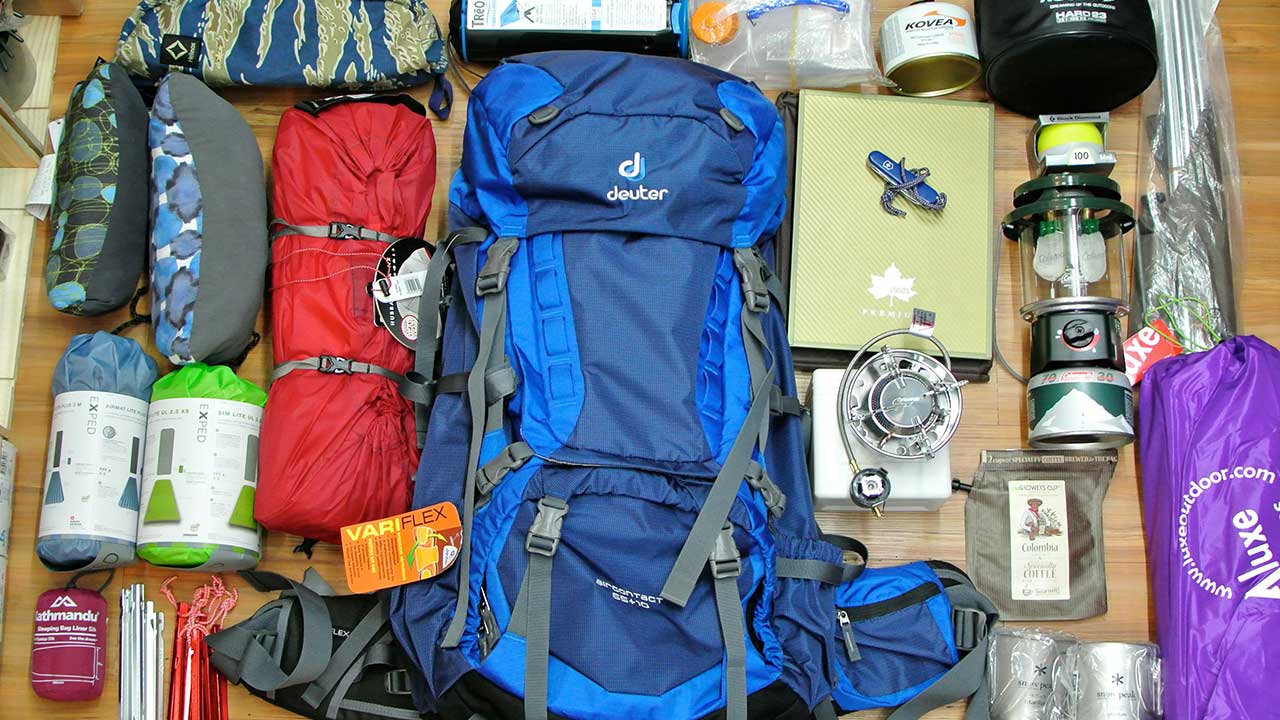
Pikey Peak Trek is a mid-altitude Himalayan adventure that involves long walking days, early summit starts, cold mornings, and varying weather conditions. Although this is not a technical climb that demands climbing gear, your packing list must be functional, lightweight, and reliable for remote mountain travel. Below is a trail-tested Pikey Peak Trek packing list focused on comfort, safety, and efficiency for a comfortable and memorable journey.
Clothing
Thermal base layers (top and bottom)
Quick-dry trekking shirts
Insulating mid-layer
Warm insulated jacket for higher elevations and summit morning
Waterproof and windproof outer shell
Trekking pants (lightweight and comfortable)
Warm hat for cold conditions
Sun hat or cap
Neck gaiter or buff
Lightweight gloves
Insulated gloves for colder sections
Footwear
Sturdy trekking boots (properly broken in)
Comfortable camp shoes or sandals
Warm trekking socks (multiple pairs)
Optional gaiters for snow or wet trails
Personal Care & Health
Basic toiletries and personal hygiene items
Sunscreen and lip protection
Hand sanitizer and wet wipes
Quick-dry towel
Toilet paper and tissue
Personal first aid kit
Any required medication
Blister care supplies
Water purification tablets or a filter
Small waste bags
Nail clipper and small mirror
Trekking Gear
Trekking poles
Backpack (25- 35L)
Duffel bag for porter use
Sleeping bag suitable for cold nights
Reusable water bottles or hydration systems
Thermos flask
Headlamp with spare batteries
UV-protection sunglasses
Power bank or spare batteries
Waterproof cover for backpack and duffel
Accommodation and Food During Trek
Accommodation on the Pikey Peak Trek is based on local teahouses and lodges. These establishments are simple, family-run, and spread across villages along the route. While facilities are basic, they are comfortable enough for resting after long trekking days, and you will also be able to get a close look at daily mountain life.
The rooms in the teahouses are usually twin-sharing, with wooden beds, mattresses, pillows, and blankets. Heating is not available in bedrooms, especially at higher elevations, so a good sleeping bag is important for your journey. The bathrooms are also on a shared basis, which is common in mountain routes. And hot showers are available in some villages (low altitudes) for an extra cost, depending on water supply and weather.
Food and Beverage
During the Pikey Peak Trek Nepal, you will be able to enjoy a wide variety of meals, traditional and some international options as well. Meals focus on keeping trekkers nourished and energized for long days on the trail. The menu is simple but hearty and nutritious, prepared with local fresh ingredients. Most of the options are easily digestible dishes that restore energy after longs hour of walking and help your body adjust to higher elevations. While the variety decreases in smaller villages, you will always find enough food to stay strong and hydrated.
Typical Breakfast Options:
Freshly baked Tibetan bread or chapati
Eggs (fried, scrambled, omelette)
Toast or sliced bread
Chapati and Tibetan bread
Pancakes
Porridge (rice or barley/porridge style)
Muesli or packaged cereals
Peanut butter & jam spreads
Typical Lunch and Dinner Options:
Dal bhat with rice, lentils, and vegetables (most common and free refill)
Noodles (various styles)
Fried rice or plain rice dishes
Pasta or macaroni dishes
Chowmein or stir-fried noodles
French fries or chips
Spring rolls
Sandwiches and burgers (in some teahouses)
Soup served with the meal (vegetable or seasonal)
Momo (steamed dumplings)
Pizza (available at some lower teahouses)
Spaghetti or simple Italian‑style dishes
Beverages:
Tea (black, milk, or ginger)
Coffee (instant or brewed)
Hot lemon or ginger-honey drinks
Boiled or filtered water
Hot chocolate
Soft drinks in some villages
Local alcoholic beverages (optional)
Training and Preparation
Preparing for the Pike Peak Trekking means getting your body and mind ready for long days of walking, uphill climbs, and downhill descents across diverse terrain. Physical preparation is the foundation for making your journey comfortable and boosting the success rate. You need to focus on cardiovascular fitness, leg strength, and endurance. Activities like running, brisk walking, cycling, or stair climbing will help you build stamina. Likewise, squats, lunges, and core exercises strengthen muscles that carry you through long ascents and challenging descents.
Practicing with a loaded daypack adds realism to your preparation. You can do some practise hikes in the nearby hill, carrying your backpack to prepare for the mountain route and enhance your acclimatizing ability. You can set your training period for 3 to 6 weeks, depending on your fitness level, stamina, and endurance. Like physical preparation, mental readiness is also equally important. Trekking is as much a mental challenge as a physical one. Long hours on the trail, remote villages, and unpredictable weather can test your focus and patience.
Preparing mentally means visualizing the route, pacing yourself, and staying positive during difficult sections. Developing a routine for daily trekking, setting achievable goals, and practicing patience during the training period can make a huge difference once you hit the mountains. When both body and mind are conditioned, your Pikey Peak Trek becomes far more manageable. You will be able to tackle steep climbs with confidence, descend with control, and enjoy the journey rather than feel worn down by it.
Necessary Permits
The Pikey Peak Trek requires two essential permits, as the route passes through protected Himalayan regions. Trekkers must obtain these permits, which are a crucial part of the experience and mandatory for legally accessing the trail.
Permits Necessary for Pikey Peak Trek
Sagarmatha National Park Permit (SNPP)
Gaurishankar Conservation Area Permit (GCAP)
Both permits typically cost around USD 30 each and can be easily obtained in Kathmandu. While older trekking information often mentions the TIMS card, TIMS is generally not required for the Pikey Peak Trek, as local and conservation permits now cover trekking registration and monitoring for this route. This change has simplified the permit process compared to many other trekking regions in Nepal.
While trekking through a registered agency, they will handle all your permit requirements. Obtaining the essential permits prior to the trek provides peace of mind and avoids last-minute delays. You should carry the permits with you at all times, as checks can occur at entry points or within the protected areas. It's best if you carry multiple copies and a digital copy to ensure a seamless experience.
Is Pikey Peak Trek Suitable for Beginners?
Yes, the Pikey Peak Trek is well-suited for beginners. Even if you are new to the Himalayan trekking experience, you can enjoy this trek. However, an adequate level of preparation is non-negotiable if you really want to enjoy the experience and make the best out of it. The trail does not involve technical climbing, glaciers, or exposed sections. So, it is even accessible for trekkers without prior high-altitude experience. What it does require is basic fitness, steady pacing, and an understanding of the nature of multi-day trekking.
The daily walking hours are manageable, and the gradual elevation gain allows first-time trekkers to adjust comfortably to the terrain and altitude. The route passes through traditional villages and forested trails, offering regular rest points, teahouses, and interaction with local communities. This aspect adds reassurance for beginners who may feel uncertain about remote trekking.
That being said, beginners should not underestimate the Pike Peak Trekking. This journey involves long uphill sections, changing weather, and an early-morning summit day, which can be physically and mentally challenging. With prior physical training, proper rest, and a slow, consistent pace, even as a beginner, you will find the trek challenging but achievable, rather than overwhelming.
Pikey Peak Trek Cost
The Pikey Peak Trek is a moderate Himalayan trekking experience that blends cultural immersion, quiet trails, and panoramic mountain views without the high costs that are generally associated with high-altitude expeditions. Compared to peak climbing or Everest-region treks, the Pikey Peak Trek cost remains relatively affordable while still delivering a genuine Himalayan journey. On average, the Pikey Peak Trek price typically ranges between USD 800 and USD 1,200 per person. The overall price depends on the trekking season, itinerary length, group size, and level of services included in the package.
A standard Pikey Peak Trek package usually includes ground transportation from Kathmandu, teahouse accommodation throughout the trek, three meals per day while trekking, required permits, a licensed trekking guide, porter services for shared or personal luggage, service charge, and government tax. It is still sensible to check the include and exclude sections before booking the package.
Choosing a reputable local trekking operator like Eco Holidays Nepal adds value beyond cost. Experienced agencies ensure proper route planning, comfortable pacing, and reliable on-trail support, which is especially beneficial for first-time trekkers or those unfamiliar with remote Himalayan regions. With the right package, the Pikey Peak Trek Nepal offers an excellent balance of affordability, comfort, and authentic mountain adventure.
Travel Visa
Anyone planning the Pikey Peak Trek must enter Nepal on a valid tourist visa. Fortunately, Nepal has one of the most traveler-friendly entry systems in South Asia, especially for trekkers and mountain visitors. If you are an Indian passport holder, you are allowed entry without a visa. As for travelers of other nationalities, you are required to obtain a tourist visa either before departure or upon arrival in Nepal.
Most trekkers choose to get their visa after landing in Kathmandu, as the process is fast and well-organized. Tourist visas are issued at Tribhuvan International Airport and at designated border crossings. As long as your passport has at least six months of validity, along with a passport-sized photo and the visa fee, the procedure is usually swift and straightforward.
If you prefer to finalize documents in advance, then you can apply through a Nepali embassy, consulate, or submit an online visa form before traveling. This option is useful especially when traveling during the peak trekking seasons or while entering Nepal via land routes with limited processing facilities.
Nepal Tourist Visa Duration and Fees
Nepal provides tourist visas in three standard durations, allowing flexibility based on travel plans:
Since the Pikey Peak Trek generally takes around 10 to 14 days, including travel time and rest days, a 30-day tourist visa is the most practical choice. This duration leaves room for unexpected delays, weather changes, and extra days in Kathmandu before or after the trek. If your plans change, visa extensions can be arranged inside Nepal without exiting the country. You can buy the minimum extension of 15 days, which will cost around USD 45.
Pikey Peak Trek FAQs
Trekking Faqs
How do I prepare for the trek?
Since the trek covers high-altitude terrain over multiple days, physical preparation matters. Build your fitness with regular cardio and walking workouts before you arrive, and maintain a steady, comfortable pace on the trail so breathing stays controlled at altitude. Understanding the route and environment in advance also makes the trek more enjoyable and less stressful.
Why is Acclimatization necessary?
Acclimatization is essential to avoid Acute Mountain Sickness (AMS). Since the body needs time to adjust from low to high altitude, our itinerary builds in scheduled rest days. Staying hydrated, avoiding caffeine and alcohol, and pacing yourself all help. Diamox (acetazolamide) can reduce AMS symptoms consult your guide or doctor before and during the trek if you feel you may need it.
What are the accommodation facilities on the trek?
Trekking routes throughout Nepal are supported by a wide network of teahouses and lodges that offer accommodation to trekkers. These establishments typically provide basic but comfortable rooms, usually with twin beds and shared bathroom facilities. In addition to lodging, many teahouses also offer meals and a communal dining area where trekkers can relax and socialize. Depending on the location and altitude, some teahouses may also provide extra amenities such as hot water showers, charging options, and limited internet access. Overall, they contribute to a convenient and culturally immersive trekking experience across the country.
What are the food facilities on the trek?
Food in the trek is the Nepalese diet of “Dal Bhaat.” You can have various other food items like noodles, chapati, thukpa, etc. Hot drinks like tea, garlic soup, coffee, etc., are popular in cold, high-altitude regions. Besides that, you can also carry your snacks to eat while trekking.
What are drinking water facilities on the trek?
You can get water facilities at the tea houses, or you can use water purification tablets on tap water. Bottled water is also valuable in the teahouses.
What are the payment methods in Nepal?
Common payment methods in Nepal are:
Cash-NPR
Credit and Debit Cards(visa, mastercard, American express)
Yes, Eco Holidays Nepal provides clients with porters as part of a trekking package, porters will carry your main luggage, allowing you to enjoy your trek with just a light daypack. Also, Eco Holidays Nepal will provide you with a professional and licensed trekking guide, Your guide will lead the way to ensure your safety and will share local insights and make your journey meaningful with stories and cultural knowledge.
Please note that porter service may or may not be included in your selected package. If porter service is included, the cost will be covered in the package price. If the package does not include porter service, clients can request it separately, and the cost will need to be paid by the clients themselves. We’ll be happy to assist with porter arrangements based on your needs.
FAQS
What is the Pikey Peak Trek and Where is It Located?
The Pikey Peak Trek is a moderate Himalayan trek in eastern Nepal, which offers panoramic views of Everest, Kanchenjunga, Makalu, Lhotse, Gaurishankar, Dhaulagiri, and other Himalayan peaks. The trek starts near Phaplu in Solukhumbu and passes through traditional Sherpa villages, forests, and high ridges before reaching the Pikey Peak summit. It is an ideal experience for trekkers who are seeking authentic villages and less-crowded trails compared to mainstream routes.
How Difficult is the Pikey Peak Trek?
The Pikey Peak Trek Nepal is considered a moderate-level adventure. While it involves steady uphill climbs, some long trekking days, and high-altitude sections, it does not require technical climbing skills. Still, physical fitness and endurance are important to complete this trek comfortably. The gradual elevation gain makes it manageable for most trekkers with proper preparation.
How Long Does the Pikey Peak Trek Take?
A standard Pikey Peak Trek itinerary usually takes 7 to 8 days, including travel to the trailhead from Kathmandu, the trek itself, summit day, and return. This pace allows enough time for acclimatization, village stops, and enjoying the natural and cultural highlights along the route.
What is the Maximum Altitude Reached on the Pikey Peak Trek?
The highest point of this trek is Pikey Peak itself, which is at an elevation of 4,065 meters (13,336 ft). While it is not an extreme altitude compared to other Himalayan peaks, trekkers may still feel mild effects of thinner air, especially on summit day.
What is the Best Time of Year to Trek Pikey Peak?
The spring (March to May) and autumn (September to November) seasons are considered the best time for Pikey Peak Trek. During these periods, the weather is stable, the skies are clear, and mountain views are at their best.
Do I Need Prior Trekking Experience for Pikey Peak?
No prior trekking experience is required for this Himalayan adventure. The trail is well-marked, and the terrain is moderate. However, basic fitness and preparation for multi-day trekking will make the experience much more comfortable and enjoyable.
What Permits Are Required for the Pikey Peak Trek?
Trekkers need to obtain the Sagarmatha National Park Permit (SNPP) and the Gaurishankar Conservation Area Permit (GCAP). Both are typically around USD 30 each and can be obtained in Kathmandu or at trail checkpoints. These permits are mandatory for legal access to the region.
Is a Tims Card Required for the Pikey Peak Trek?
No, a TIMS card is generally not required for this trek. The Local permits, such as the GCAP and the Sagarmatha National Park permit, cover registration and monitoring for trekkers on this route on behalf of the TIMS Card.
How Much Does the Pikey Peak Trek Cost?
The trek typically costs between USD 800 and USD 1,200 per person, depending on factors like season, group size, accommodations, guide and porter support, and the standard of the services. In a standard package, services like teahouse lodging, meals, transportation, permits, and a licensed guide are included.
Is Altitude Sickness a Concern on the Pikey Peak Trek?
Altitude sickness is rare on this trek since the maximum altitude is just over 4,000 meters. However, mild symptoms like headache or shortness of breath can occur, especially on summit day. With gradual pacing, hydration, and rest, you can adjust without any serious issues.
Can the Pikey Peak Trek Be Done Independently?
Yes, it can be done independently as the trail is well-marked and the teahouse accommodation is available. However, hiring a guide is recommended for trekkers, for navigation support, cultural insights, and logistical ease.
I chose Pikey Peak because I didn't want to spend my entire holiday on one of the busiest trekking routes in Nepal. That was probably the best decision I made. There were sections where we barely saw anyone else for hours. I liked that. We walked through small villages, stopped at basic teahouses and had a much quieter experience than I was expecting from an Everest-region trek. The morning at Pikey Peak was cold enough that I wasn't particularly interested in getting out of bed, but once we got to the viewpoint I was glad we did. The mountain views were excellent, but honestly the quietness of the route was the biggest selling point for me.
LLiam O'Connor10th Feb, 2024
Unbeatable panoramic views without the high-altitude crowds
If you want staggering views of Everest without dealing with busy trails or flying into Lukla, Pikey Peak delivers in spades. Standing at the summit at dawn and watching the sun hit Everest, Makalu, and Kanchenjunga all at once was mesmerizing Sir Edmund Hillary wasn't lying when he called this his favorite view in Nepal. The trail winds through peaceful rhododendron forests and genuine Lower Solukhumbu villages where you get authentic hospitality. It’s accessible, culturally rich, and incredibly rewarding for a one-week trip.
CCian peig28th Sep, 2023
An exciting first climbing peak in the Annapurna region
Pisang Peak is a fantastic choice for anyone trying peak climbing in Nepal. The summit ridge requires careful crampon work, but standing on top looking at Annapurna II is incredible.
Eco Holidays set up an organized base camp with hot meals and good gear checks. Just charge your phone before leaving Upper Pisang, as charging prices go up past the main villages
MMerce Jodar Vicente14th Aug, 2018
Outstanding Service and Trekking Experience
I decided to climb Pikey Peak and reached out to Mr. Dhruba to arrange the trek. From the start, I was impressed by the guide’s professionalism and the excellent service they provided. They follow a unique tradition where guests are treated with utmost respect, almost like royalty. Mr. Dhruba’s words left a lasting impression on me, and I’ll never forget them. The service, accommodation, and food were all top-notch. I wholeheartedly recommend Eco Holidays Nepal to my friends. A big thank you to Mr. Dhruba for everything