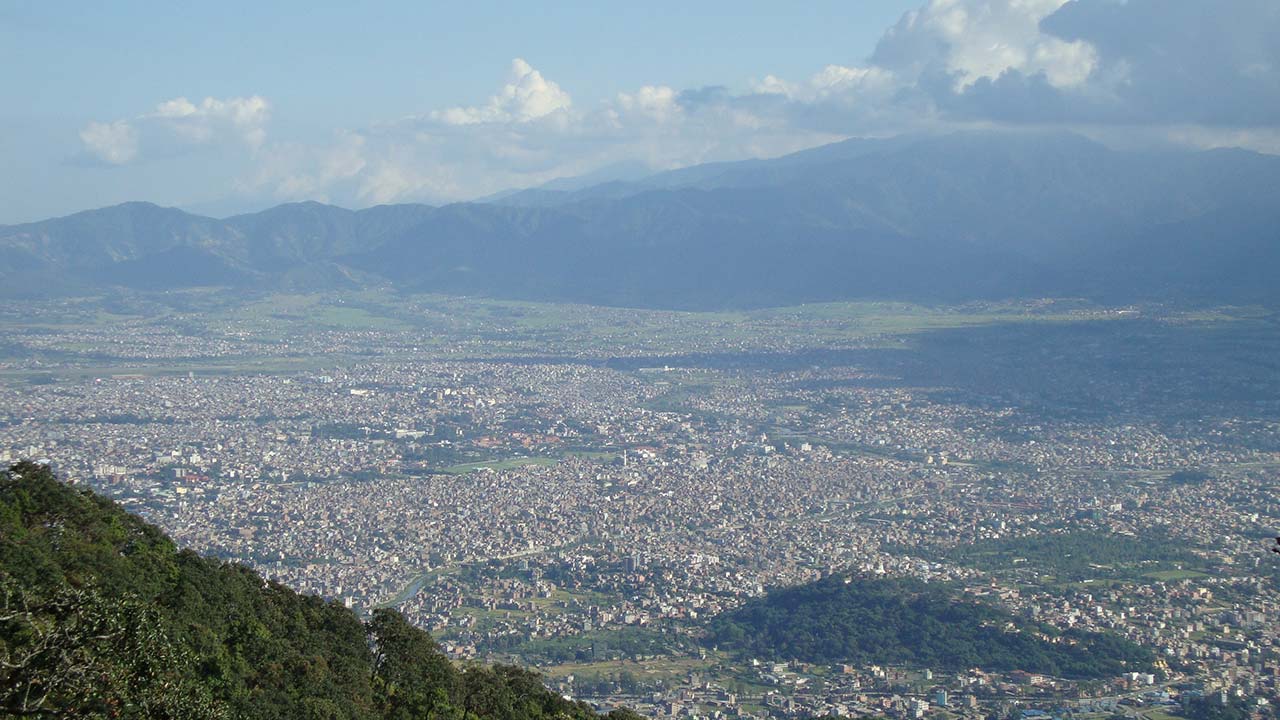
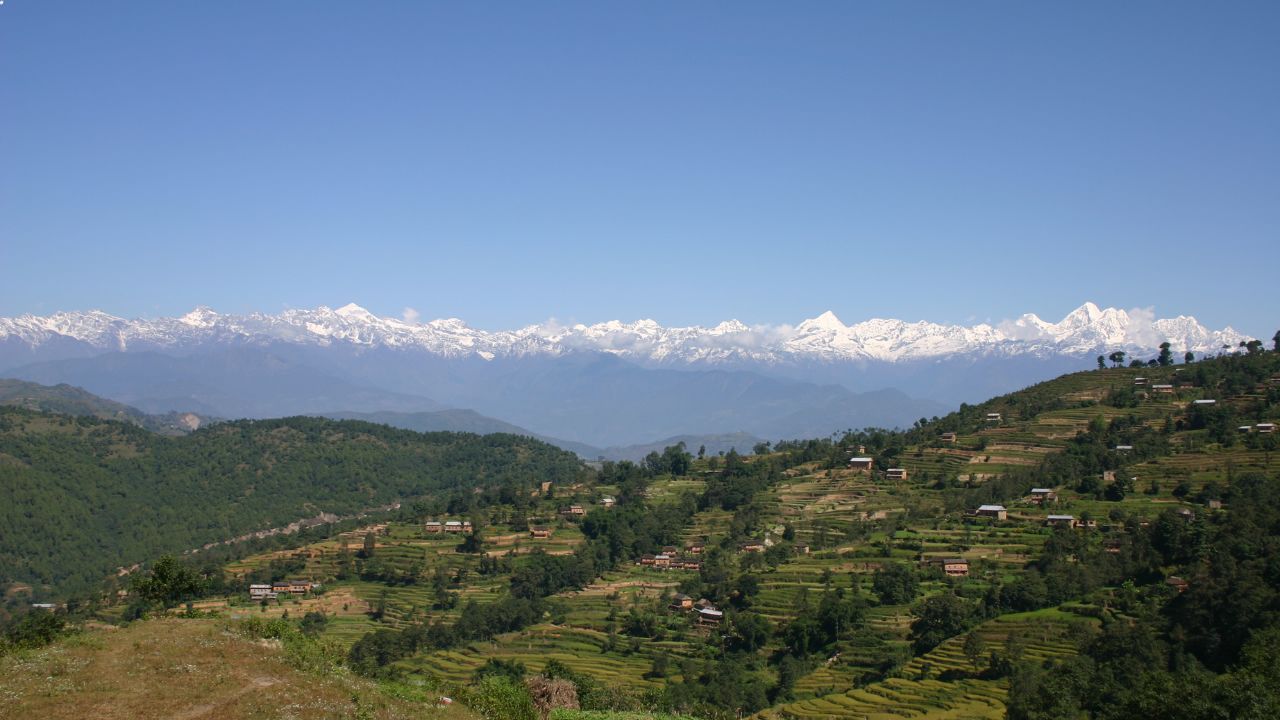
Trek along the northern and eastern ridgelines of Kathmandu Valley, exploring the scenic foothills, forested hillsides, and traditional countryside of Nepal
Experience the cultural diversity of the valley's surrounding communities, particularly the Tamang and Newar, alongside traditional farming settlements and rural lifestyles
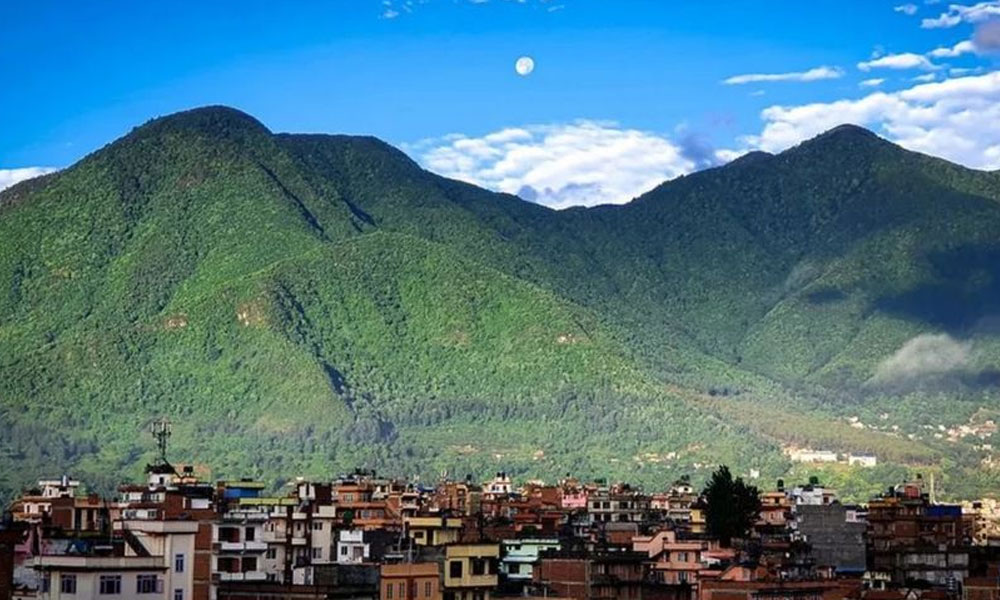
Walk through the rich woodland of Shivapuri's surrounding hills, featuring native rhododendron, oak, magnolia, pine and fir forests
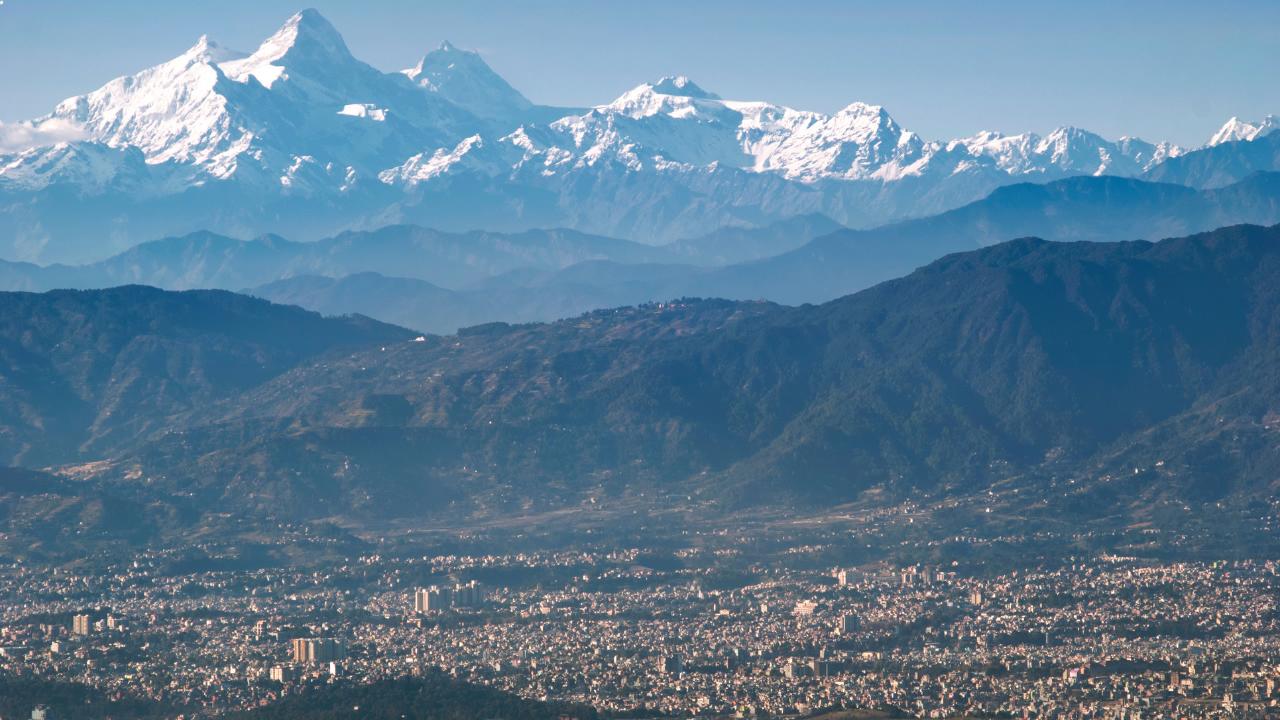
Enjoy expansive views of the Central Himalayan range, including Manaslu, Ganesh Himal, Langtang, Jugal Himal and Gaurishankar, with distant Everest views on clear days
Reach Chisapani (2,165m/ 7,103ft), a scenic hilltop settlement renowned for its sunrise panoramas and sweeping views of the Himalayan skyline
Experience the elevated landscapes around Nagarkot (2,175m/ 7,136ft), one of the most popular viewpoints for observing Himalayan sunrises and sunsets
Explore the countryside around Chowki Bhanjyang, Jarsing Pauwa and Kartike Bhanjyang, passing terraced farmland, forest trails and traditional hillside settlements
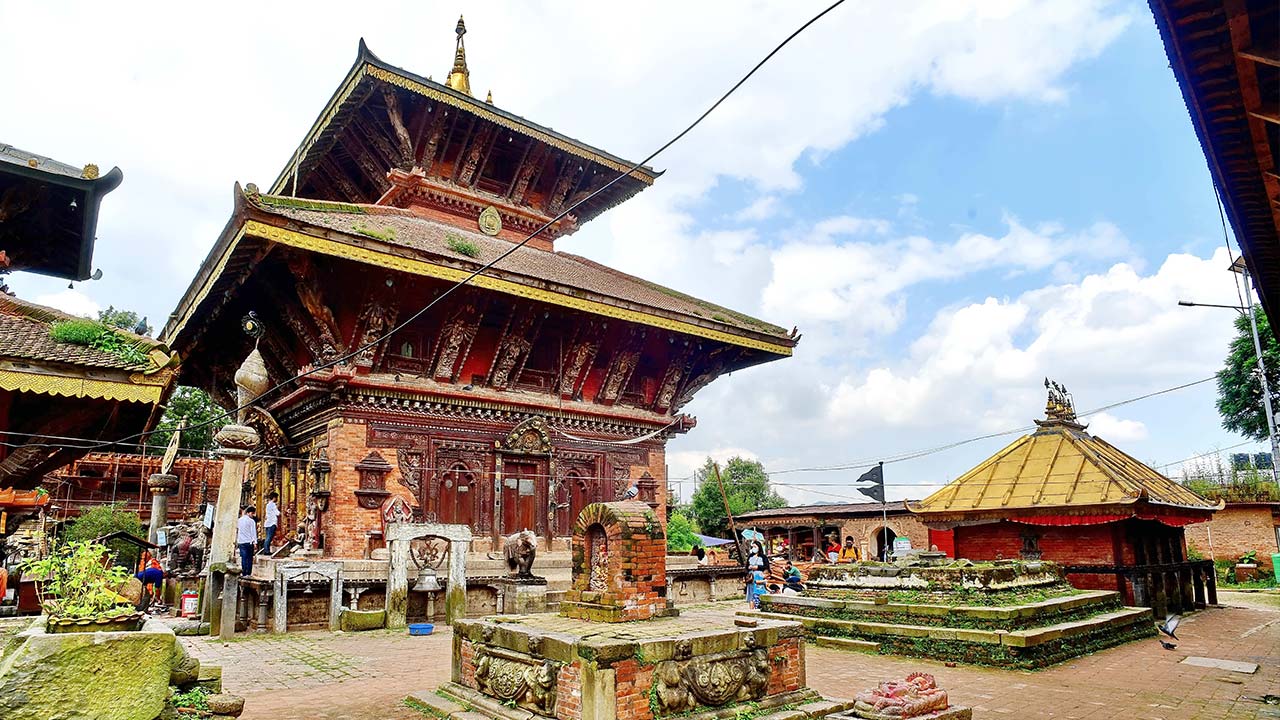
Visit the historic Changunarayan Temple, an important UNESCO-listed heritage site renowned for its ancient religious history, traditional Newari architecture and intricate wood carvings
Discover the natural and cultural landscapes of Nepal's mid-hills without travelling far from Kathmandu, making it an excellent short trekking experience
Complete a rewarding three-day Kathmandu Valley Rim Hike, combining Himalayan viewpoints, rural communities, forest exploration and cultural heritage in one journey
Trip Overview
A three-day trekking experience through the green hills surrounding Kathmandu, combining Himalayan mountain views, indigenous communities, traditional farming landscapes and centuries-old cultural heritage.
Kathmandu Valley Rim Trekking is a short Himalayan trekking experience along the elevated hills surrounding Nepal's capital. Extending across the northern and eastern valley rim, this three-day journey reaches approximately 2,175 meters (7,136 feet), offering a combination of natural scenery, rural settlements, and cultural encounters within close proximity to Kathmandu. The Kathmandu Rim Valley Trek is particularly rewarding for travelers who want to experience the countryside and mountain environment of Nepal without committing to a longer Himalayan expedition.
The surrounding landscape is characterized by rolling green hills, forested ridges, cultivated slopes, and traditional farming settlements. Much of the northern section lies within the wider Shivapuri watershed landscape, where oak, rhododendron, magnolia, pine, and fir forests provide a natural habitat for diverse Himalayan flora and fauna. The elevated ridgelines also open towards the Central Himalayas, with panoramic views encompassing Manaslu, Ganesh Himal, Langtang, Jugal Himal and Gaurishankar, extending towards the Everest region on particularly clear days.
Beyond its natural scenery, the Kathmandu Valley Rim Trek offers an introduction to the cultural diversity of the valley's surrounding communities. The foothills are home to several ethnic and social communities, notably the Tamang and Newar, alongside Brahmin, Chhetri, Gurung and other communities. Around Sundarijal and the upper watershed, Tamang communities have longstanding connections with the agricultural landscape, livestock farming and surrounding forests. Their traditional settlements and rural livelihoods provide an important cultural dimension to the trekking experience. Further east, the historic settlements and heritage of the Kathmandu Valley reflect the deep-rooted Newar civilization, particularly evident in the region's temples, traditional architecture, and craftsmanship.
The trek also brings together different aspects of Nepal's countryside, from terraced agricultural fields and small hillside farms to peaceful forest paths and established mountain viewpoints. Chisapani and Nagarkot are especially appreciated for their expansive Himalayan panoramas and sunrise views. The journey's cultural dimension extends to Changunarayan, an important historic temple dedicated to Lord Vishnu, renowned for its ancient religious heritage, intricate wood carvings, and traditional pagoda architecture.
With moderate daily walking distances, relatively low elevations, and convenient access from Kathmandu, Kathmandu Valley Rim Trekking is suitable for first-time trekkers, families, and travelers with limited time in Nepal. It offers a rewarding combination of mountain scenery, indigenous culture, rural life, and historical heritage, making it one of the most appealing short trekking experiences on the outskirts of Kathmandu.
Why Choose Kathmandu Valley Rim Trekking?
Kathmandu Valley Rim Trekking offers a compact but varied trekking experience, combining approximately 47 km of walking across the northern and eastern hills surrounding the capital. Unlike a single-day viewpoint excursion, this three-day journey allows you to experience the changing landscapes of Nepal's mid-hills, from protected forest and traditional farming settlements to elevated Himalayan viewpoints and historic heritage sites. With its highest elevation around 2,175 meters (7,136 feet), the trek provides a genuine mountain walking experience without requiring the extended acclimatization schedules associated with higher Himalayan routes.
A Complete Three-Day Trek Within Reach of Kathmandu: The journey begins with a short drive to Sundarijal, approximately 15 km northeast of central Kathmandu, and continues through Chisapani and Nagarkot before descending towards Changunarayan. The published itinerary covers approximately 47 km of trekking over three days, making it a practical option for travelers who want several days on the trail without arranging domestic mountain flights or lengthy overland transfers.
Explore the Shivapuri Watershed and Its Natural Ecosystem: The initial section passes through the forested watershed of Shivapuri Nagarjun National Park, an important conservation area covering approximately 159 square kilometers. The protected landscape supports diverse mid-hill vegetation and wildlife, including 65 recorded mammal species, 320 bird species, and 124 butterfly species. The watershed also plays an important role in Kathmandu's water supply, contributing approximately 50% of the valley's surface-water demand. This gives the forested section of the trek ecological significance beyond its scenic appeal.
Experience the Cultural Landscape of Traditional Hill Communities: The trekking region is inhabited by diverse communities, particularly Tamang, Brahmin, and Chhetri communities in the wider Shivapuri buffer zone. The farming settlements around Burlung Bhanjyang offer an opportunity to observe Tamang rural life, traditional agriculture, and hillside settlement patterns. Towards the end of the journey, Changunarayan introduces another important dimension of the valley's cultural heritage through its historic Newar architecture, craftsmanship and religious traditions.
Himalayan Mountain Views Without High-Altitude Trekking: With an elevation range of approximately 1,400 to 2,175 meters along the published route, the trek avoids the demanding altitude conditions of destinations such as Everest Base Camp and the Annapurna Circuit. Chisapani and Nagarkot provide elevated viewpoints towards Manaslu, Ganesh Himal, Langtang, Jugal Himal and Gaurishankar, with distant views towards the Everest region when visibility is clear. It is particularly appealing to travelers who want Himalayan panoramas without spending several days climbing above 3,000 or 4,000 meters.
A Varied Walking Experience With Manageable Daily Elevation: The itinerary combines an uphill forest approach to Chisapani, a longer ridge-to-ridge crossing towards Nagarkot, and a predominantly downhill walk to Changunarayan. Daily walking commitments are approximately 3 to 5 hours according to the package itinerary, although the published 22 km distance on the second day makes it a substantial walking day. The relatively low elevation keeps altitude demands modest, while reasonable walking fitness is still important.
Local Lodges and Comfortable Hotel Accommodation: Overnight accommodation is arranged in a local lodge at Chisapani and a tourist-standard hotel at Nagarkot. This combination allows travelers to experience the atmosphere of a hillside settlement before enjoying more comfortable accommodation at an established mountain viewpoint. Nagarkot's elevated setting also makes it possible to enjoy the Himalayan sunrise without undertaking an additional early-morning hike.
Combine Trekking With Kathmandu's Cultural Heritage: The final descent towards Changunarayan adds a historical dimension to the journey. The temple complex is part of the Kathmandu Valley UNESCO World Heritage property and is particularly important for its traditional Newar craftsmanship, stone inscriptions, and historic Hindu architecture. This makes the trek a useful combination of outdoor exploration and cultural sightseeing rather than a mountain walk alone.
Cost Details
What's Included in Kathmandu Valley Rim Trekking
Kathmandu to Sundarijal transport.
Changunarayan to Kathmandu transports.
Three meals during in Hiking. (Breakfast, Lunch and Dinner)
A professional Hiking guide including his all expenses.
Basic accommodation in Chisapani and tourist standard hotel in Nagarkot.
All entry fees for National Park and Local Government Tax.
Official charges.
What's Excluded in Kathmandu Valley Rim Trekking
All soft and hard drinks.
Your personal expenses.
Potter if needed cost ($60) for 3 days.
Hotel and other activities in Kathmandu.
Price & Availability
Group Discount Available
1 Person
US$ 310
2 - 4 Person
US$ 240
5 - 8 Person
US$ 210
9 - 20 Person
US$ 170
Itinerary of Kathmandu Valley Rim Trekking - 3 days
Day 01
Drive from Kathmandu (1,400m/ 4,593ft) to Sundarijal (1,593m/ 5,226ft) and Trek to Chisapani (2,165m/ 7,103ft): 1.5 to 2 hours (drive) and 4 to 5 hours (trek)
Your Kathmandu Valley Rim Trek begins with a morning pickup from your hotel and a drive towards Sundarijal, located on the northeastern edge of Kathmandu Valley. The journey takes you through the outskirts of the capital, passing the Boudhanath area before reaching the forested foothills of Sundarijal.
Sundarijal is an important part of Kathmandu's water supply system, with its reservoir and surrounding watershed forming a significant natural resource for the valley. From here, the walking trail begins with a steady uphill ascent through the forested landscape. The route follows stone steps and woodland paths alongside the Sundarijal watershed, gradually gaining elevation as you move away from the urban surroundings.
As the trail climbs higher, you reach Burlung Bhanjyang, a traditional Tamang farming settlement where terraced fields, hillside homes, and agricultural landscapes offer a glimpse into rural life around Kathmandu. The route then continues through dense woodland before opening towards the green hills and elevated surroundings of Chisapani.
Situated at approximately 2,165 meters, Chisapani is a small hillside settlement known for its panoramic Himalayan views. After reaching the village, you will settle into a local lodge and enjoy the surrounding mountain scenery. On clear mornings, the Himalayan skyline provides an impressive backdrop for sunrise, making Chisapani a rewarding overnight stop on the first day.
Max. Elevation:2,165
Duration:1 to 2 hours(drive) and 4 to 5 hours(trek)
Distance:15km(drive) and 13km(trek)
Day 02
Trek from Chisapani to Nagarkot (2,175m/ 77,135ftt): 4 to 5 hours
After breakfast in Chisapani, you will continue eastward along the forested ridgelines towards Nagarkot. This is the longest walking section of the Kathmandu Valley Rim Trek, covering approximately 22 km through a combination of woodland trails, hillside settlements, gradual descents and uphill sections.
The morning begins with a pleasant walk along winding paths through rhododendron and pine forests. The trail gradually descends towards Chowki Bhanjyang, a small farming settlement overlooking the eastern side of Kathmandu Valley. The surrounding landscape offers a different perspective of the valley, with cultivated hillsides, scattered houses, and forested slopes forming much of the scenery.
After a short rest, you will continue along the scenic hillside route towards Jarsing Pauwa. This section passes through rural countryside where traditional farming remains part of the local landscape. From Jarsing Pauwa, the trail diverts towards a higher hill before descending to Kartike Bhanjyang. The changing elevation makes this section a combination of gradual climbing and downhill walking rather than a continuous ascent.
From Kartike Bhanjyang, the final uphill section leads towards Nagarkot, one of the most popular mountain viewpoints near Kathmandu. Located at approximately 2,175 meters, Nagarkot is particularly well known for its panoramic Himalayan scenery and elevated position overlooking the surrounding valleys.
After reaching Nagarkot, you will check into your hotel and spend the remainder of the day enjoying the mountain surroundings. Weather permitting, the evening offers an opportunity to observe the sunset as changing light illuminates the distant Himalayan peaks, including the Langtang, Jugal Himal and Gaurishankar ranges, with views extending farther east towards the Everest region.
Max. Elevation:2,175
Duration:4 to 5 hours
Distance:22km
Day 03
Trek from Nagarkot to Changunarayan Temple (1,541m/ 5,055ft) and Drive Back to Kathmandu: 3 to 4 hours trek and 1.5 to 2 hours (drive)
On this day, you will wake up early in Nagarkot to enjoy the sunrise over the Himalayan range. On clear mornings, the first sunlight gradually illuminates the snow-covered peaks, creating one of the most memorable viewpoints of the journey. After breakfast, prepare for the final walking section towards Changunarayan.
Unlike the previous day's ridge crossing, today's route is predominantly downhill, passing through several traditional farming settlements and terraced agricultural fields. As you descend, the landscape gradually changes from elevated mountain surroundings to cultivated hillsides and rural countryside closer to Kathmandu Valley.
The trail also passes through a stretch of cool woodland before reaching the historic settlement surrounding Changunarayan Temple. This final section provides a different perspective of the valley's rural landscape, where traditional houses, farmland, and forested slopes remain closely connected to everyday village life.
Changunarayan Temple is dedicated to Lord Vishnu and is among the most historically significant Hindu temple complexes in Nepal. Recognized as part of the Kathmandu Valley UNESCO World Heritage property, the temple is particularly notable for its traditional pagoda architecture, intricate wood and stone carvings, and historic inscriptions. Take some time to explore the temple premises and appreciate the craftsmanship and religious heritage of this ancient site.
After visiting Changunarayan, you will meet your vehicle for the drive back to Kathmandu. The approximately 32 km journey takes around 1.5 to 2 hours, depending on traffic conditions. Upon arrival, the remainder of the afternoon is free for shopping, sightseeing, or relaxation at your hotel, marking the completion of your three-day Kathmandu Valley Rim Trek.
Max. Elevation:1400
Duration:3 to 4 hours(trek) and 1.5 to 2 hours(drive)
Distance:12km(trek) and 32km(drive)
If the provided schedule isn't suitable for you, we can create personalized travel arrangements.
The Kathmandu Valley Rim Trek is graded easy to moderate, making it a suitable introduction to multi-day trekking in Nepal for beginners, families, and travelers with reasonable physical fitness. The route reaches approximately 2,175 meters (7,136 feet) at Nagarkot, so altitude-related challenges are considerably lower than on high Himalayan treks. No dedicated acclimatization days or technical climbing skills are required. The physical effort varies throughout the three days. The first day involves a sustained uphill climb from Sundarijal, following stone steps, forest paths, and hillside trails through the Shivapuri watershed towards Chisapani.
Although the distance is approximately 13 km, the continuous ascent requires steady pacing, particularly for those unaccustomed to walking uphill. The second day is the most demanding, covering approximately 22 km between Chisapani and Nagarkot. The trail moves through forested ridges, farming settlements, and undulating hills, with repeated ascents and descents that require good walking stamina. The final 12 km section descends from Nagarkot towards Changunarayan, where uneven paths and downhill sections can place additional pressure on the knees and ankles.
Weather and trail conditions also influence the difficulty. Forest sections can become slippery during the monsoon, while winter mornings around Chisapani and Nagarkot can be particularly cold. Good trekking shoes with reliable grip, layered clothing, and a comfortable daypack are therefore important. You do not need previous Himalayan trekking experience, but being comfortable with 4 to 5 hours of walking on the first two days and 3 to 4 hours on the final day will make the journey considerably more enjoyable. Regular walking, stair climbing, or light hiking before departure is good preparation, especially for the longer second day.
Best Time for Kathmandu Valley Rim Trekking
Kathmandu Valley Rim Trekking is possible throughout the year because the route stays at relatively low elevations, reaching approximately 2,175 meters (7,136 feet) at Nagarkot. Unlike high-altitude trekking routes in the Himalayas, it does not depend on a narrow seasonal window or require travelers to avoid winter altogether. However, each season brings different conditions to the forested hills, village trails, and mountain viewpoints.
Spring (March to May) and autumn (October to November) generally offer the most favorable trekking conditions, with autumn providing the clearest Himalayan panoramas. Winter is an excellent alternative for travelers who enjoy crisp mountain mornings and quieter trails, while the monsoon brings lush vegetation and greener countryside at the cost of wetter, more challenging walking conditions.
Spring (March to May)
Spring brings warmer temperatures, longer daylight hours and renewed vegetation to the Kathmandu Valley rim. From March onwards, the surrounding hills become increasingly green, while rhododendron forests add seasonal color to the woodland sections around Sundarijal, Chisapani and the wider Shivapuri landscape.
March and April are particularly pleasant for walking, with average daytime temperatures at Nagarkot ranging from approximately 19°C to 23°C and nighttime temperatures from 8°C to 11°C. Rhododendrons generally flower during this period, although blooming times vary with elevation and local weather. By May, daytime temperatures remain around 23°C, but pre-monsoon showers and thunderstorms become more frequent.
One consideration during spring is mountain visibility. Dust and atmospheric haze can obscure distant Himalayan peaks, particularly during March and April. Early mornings generally offer better opportunities for mountain views before afternoon haze and cloud develop.
Temperature at Nagarkot:
March: 19.3°C maximum/ 7.6°C minimum
April: 22.5°C maximum/ 10.8°C minimum
May: 22.8°C maximum/ 12.5°C minimum
Spring is particularly suitable for travelers who prefer warmer walking temperatures, flowering woodland, and comfortable daytime conditions. Carry a light insulating layer for early mornings and a rain jacket, especially if trekking in May.
Autumn (September to November)
Autumn is one of the most favorable seasons for the Kathmandu Rim Valley Trek, bringing improving weather, comfortable walking temperatures, and increasingly clear Himalayan views. September marks the transition from the summer monsoon, while October and November generally offer drier trails and more stable conditions across the northern and eastern hills surrounding Kathmandu.
During September, the landscape remains exceptionally green following months of rainfall. However, the first part of the month can still experience lingering monsoon showers, occasional thunderstorms, and cloudy mountain viewpoints. Forest paths may remain muddy and slippery, with leeches present in damp woodland sections. As rainfall gradually decreases, walking conditions improve, and the surrounding Himalayan ranges become more visible.
October and November are particularly rewarding for mountain panoramas from Chisapani and Nagarkot. The atmosphere becomes clearer following the monsoon, offering better opportunities to observe the snow-covered Himalayan skyline, photograph sunrise and enjoy the countryside under relatively stable weather conditions.
Temperature at Nagarkot:
September: 21.9°C maximum / 14.4°C minimum
October: 20.6°C maximum / 11.3°C minimum
November: 17.5°C maximum / 7.3°C minimum
Autumn is suitable for almost every type of traveler, including first-time trekkers, families, and photographers. September offers greener landscapes but requires flexibility around rainfall, while October and November are better choices for those prioritizing dry walking trails and clear mountain views.
Summer and Monsoon (June to August)
The summer monsoon transforms the Kathmandu Valley rim into a landscape of dense greenery, flourishing vegetation, and freshly cultivated terraced fields. Forests become particularly vibrant, and the surrounding countryside takes on a distinctly different appearance from the drier spring and winter months.
Temperatures around Nagarkot generally remain between 22°C and 23°C during the day, with nighttime averages around 14°C to 16°C. However, June through September receives substantial rainfall. The increased moisture creates several challenges for trekkers. Forest paths, stone steps, and earthen trails can become muddy and slippery, particularly on the uphill and downhill sections. Leeches are also common in damp woodland and vegetation during the rainy months, especially after rainfall.
Low clouds frequently cover the surrounding Himalayan ranges, reducing opportunities for panoramic mountain photography and sunrise views. The trek remains possible during this season, but departure dates should allow some flexibility around weather conditions. Waterproof trekking shoes with good grip, rain protection, gaiters, and quick-drying clothing are particularly useful. Walking with extra care on steep and muddy sections is essential.
Temperature at Nagarkot:
June: 23.1°C maximum / 15.5°C minimum
July: 22.2°C maximum / 15.6°C minimum
August: 22.3°C maximum / 15.5°C minimum
Monsoon trekking is best suited to travelers who enjoy green landscapes and quieter trails and are comfortable walking in wet conditions. Those prioritizing clear Himalayan views should consider another season.
Winter (December to February)
Winter provides another excellent opportunity to explore the Kathmandu Valley Rim, particularly for travelers who prefer quieter trails, dry weather, and crisp mountain views. Although temperatures drop considerably after sunset, daytime conditions are often pleasant under clear skies, allowing comfortable walking through the surrounding forests and hillside settlements.
Nagarkot records average daytime temperatures of approximately 13°C to 15°C during December, January, and February, while nighttime temperatures generally range from 3°C to 5°C. January is typically the coldest month, and temperatures can occasionally approach or fall below freezing during particularly cold mornings.
The colder weather is accompanied by relatively little rainfall, creating dry trail conditions and frequent opportunities for clear Himalayan views. December and January are especially appealing for sunrise photography, when the first sunlight illuminates the distant mountain peaks and morning mist sometimes settles over the valleys.
The main consideration is the early-morning and evening cold, particularly when staying overnight in Chisapani and Nagarkot. Shorter daylight hours also mean that starting the day's walk on time is important. Some local lodges may have limited room heating, so warm sleeping clothes and adequate insulation are worthwhile.
Temperature at Nagarkot:
December: 14.3°C maximum / 4.3°C minimum
January: 12.9°C maximum / 2.9°C minimum
February: 15.3°C maximum / 4.6°C minimum
Winter is suitable for travelers who enjoy cold mountain mornings, sunny daytime walks, and quieter trekking conditions. A warm down jacket, thermal layers, gloves, and a hat are recommended, particularly for sunrise around Chisapani and Nagarkot.
Packing List
The Kathmandu Valley Rim Trek is a short, relatively low-altitude journey, so packing light is usually the best approach. A comfortable daypack with suitable clothing, reliable footwear, rain protection, and personal essentials will cover most of your needs. Temperatures can change between sunny afternoons and chilly mornings, particularly in Chisapani and Nagarkot, so bring layers that you can add or remove while walking.
Clothing
Choose comfortable, breathable clothing that allows you to walk for several hours. Layering is more useful than carrying thick, heavy clothes.
Moisture-wicking T-shirts: Pack two or three quick-drying shirts for the walking days
Trekking trousers: One or two pairs of lightweight, quick-drying trousers are suitable for the forest trails and uneven paths
Warm fleece or insulated jacket: Useful during early mornings, evenings, and cooler days around Chisapani and Nagarkot
Lightweight down or synthetic jacket: Particularly useful in winter and for anyone who feels cold easily
Waterproof and windproof jacket: Important during the monsoon and useful throughout the year when weather changes unexpectedly
Thermal base layers: Carry a thermal top and bottom during winter, especially for cold mornings and nights
Underwear and trekking socks: Pack enough for the three-day trek, preferably moisture-wicking socks that help reduce friction
Sun hat or cap: Protects your head and face during exposed sections of the trail
Warm hat and gloves: Recommended in winter and useful during colder mornings in other seasons
Footwear
The route includes stone steps, forest paths, uneven ground, and downhill sections. Comfortable footwear with good grip will make the walking days easier.
Trekking shoes: Wear comfortable, well-broken-in hiking shoes with reliable grip and ankle support if preferred; Waterproof shoes are useful during the rainy season
Trekking socks: Bring three or four pairs of comfortable socks to keep your feet dry and reduce the chance of blisters
Camp shoes or sandals: Lightweight sandals or slippers are useful at the lodges after a day of walking
Gaiters (optional): Useful during wet conditions or on muddy forest trails, but not essential in dry weather
Trekking Equipment
You only need basic trekking equipment for this route. Avoid carrying unnecessary technical gear.
Daypack (20 to 30 litres): Large enough for water, snacks, an extra layer, rain protection, and personal essentials
Rain cover or dry bags: Protect your backpack and spare clothes from rain, particularly during the monsoon
Trekking poles: Optional but helpful on the uphill stone steps from Sundarijal and the downhill walk towards Changunarayan
Reusable water bottle: Carry enough water for the walking sections and refill whenever safe drinking water is available
Water purification tablets or filter: Useful if you need to treat water from refill points or other sources
Headlamp or flashlight: Helpful around lodges and during early starts, especially in winter
Quick-drying towel: A small travel towel takes little space and is convenient for lodge stays
Dry bags or zip-lock bags: Keep electronics, documents, and spare clothing protected from moisture
Personal Hygiene and Toiletries
Pack travel-sized hygiene products to keep your bag light.
Toothbrush and toothpaste
Biodegradable or regular travel soap and shampoo
Quick-drying hand towel
Hand sanitizer
Wet wipes and tissues
Sunscreen (SPF 30 or higher)
Lip balm with SPF
Personal deodorant
Toilet paper
Personal menstrual hygiene products, if required
Small pack of rubbish bags for carrying your waste
First Aid and Personal Medication
Carry a small personal medical kit for minor problems along the trail. You do not need an extensive expedition medical kit for this short trek.
Personal prescription medicines
Basic pain relief medication
Blister plasters and adhesive bandages
Antiseptic wipes or cream
Oral rehydration salts
Insect repellent
Any medication you normally use for allergies or other known conditions
If you have a medical condition or take regular medication, consult your healthcare professional before departure and carry an adequate supply.
Documents and Money
Keep important documents in a waterproof pouch and carry some Nepalese rupees for small purchases along the route.
Passport or a valid form of identification
Trekking permits or park entry documents, as applicable to your arrangement
Travel insurance details and emergency contact information
Some Nepalese cash for drinks, snacks, and personal expenses
Hotel and trip confirmation details
Electronics and Accessories
A few useful electronic items can help you stay connected and capture the scenery.
Mobile phone and charger
Power bank
Camera and spare batteries, if you use one
Charging cables and adapters
Sunglasses with UV protection
Small binoculars (optional) for viewing distant Himalayan peaks
Optional Items
These items are not essential, but can make the trek more comfortable depending on your preferences and the season.
Lightweight book or e-reader for lodge evenings
Energy bars, nuts or trail snacks
Earplugs for sleeping in shared or busy lodge areas
Lightweight sleeping bag liner, if you prefer your own bedding
Small notebook or journal
**Packing Tip: Keep your daypack light and carry only what you need during the walk. The trek has lodge accommodation in Chisapani and a hotel stay in Nagarkot, so you generally do not need camping equipment, a tent, a sleeping mat, or a heavy expedition backpack. In winter, prioritize warm layers; during the monsoon, give extra attention to waterproof clothing, backpack protection, and footwear with good grip**
Accommodation and Food During Trek
The Kathmandu Valley Rim Trek includes two overnight stays, one in Chisapani and another in Nagarkot. Accommodation gradually changes from a simple local mountain lodge to a more comfortable tourist-standard hotel. Both stops provide a place to rest after the day's walk, enjoy a warm meal, and prepare for the following morning.
Accommodation in Chisapani
Chisapani is the first overnight stop, reached after trekking uphill from Sundarijal through the forested hills of Shivapuri. Accommodation here is generally in a basic local lodge or guesthouse. Rooms are simple and practical, with essential sleeping arrangements and shared facilities at many properties.
Facilities are more limited than those in Kathmandu or Nagarkot. Hot showers, private bathrooms, and other amenities may not be available at every lodge, so it is best to keep expectations modest. The main attraction of staying in Chisapani is its peaceful hilltop setting, where you can relax after the first walking day and enjoy the mountain scenery when weather conditions are clear.
Accommodation in Nagarkot
The second night is spent in Nagarkot, one of the Kathmandu Valley's established hill stations. Compared with Chisapani, accommodation here is more comfortable, with a stay in a tourist-standard hotel. Depending on the selected property, rooms have private bathrooms, hot showers, Wi-Fi, and other standard hotel facilities. Some hotels also offer mountain-facing rooms or outdoor spaces from which to enjoy the surrounding hills and Himalayan panorama. Room facilities and views vary by property and availability.
Nagarkot is particularly known for its sunrise and sunset scenery. Staying overnight gives you time to enjoy the hill station beyond the trekking trail, especially during clear mornings when the Himalayan range may be visible.
Food During the Trek
The package includes three meals a day: breakfast, lunch and dinner, throughout the three-day trek. Meals are served at local lodges, restaurants and hotels along the route. You can expect a selection of Nepali, Indian, Tibetan-influenced, and familiar international dishes, with a wider choice generally available in Nagarkot.
Breakfast Options
Breakfast is important before setting out for several hours of walking. Depending on the lodge or hotel, common choices include:
Eggs: boiled, fried, scrambled or omelets
Toast with butter, jam, honey or peanut butter
Pancakes: plain, banana, apple or chocolate
Porridge or oatmeal, sometimes served with honey, fruit or milk
Muesli and cornflakes with milk or yogurt
Tibetan bread or chapati served with honey, jam or butter
French toast and hash browns
Tea, milk tea, black coffee, milk coffee and hot chocolate
Nepali meals are a regular part of the trekking experience. They are generally filling and make good choices after a long day on the trail.
Dal Bhat Tarkari: Steamed rice, lentil soup, seasonal vegetable curry and pickles. Some establishments also offer chicken or other meat options
Dhido: A traditional Nepali staple made from buckwheat, millet or maize flour, usually served with vegetable curry, lentil soup or fermented leafy greens
Gundruk and Sinkhi: Traditional fermented leafy vegetables and radish-root preparations, commonly used in soups or served as accompaniments
Aloo Tama: A traditional curry combining potatoes and fermented bamboo shoots, often with black-eyed peas
Vegetable and meat curries: Seasonal vegetables, paneer or chicken curry served with rice, chapati or roti
Rice and Noodle Dishes
Rice and noodle meals are widely available at trekking lodges and restaurants. They offer familiar choices for trekkers who want something other than a traditional Nepali meal.
Vegetable, egg or chicken fried rice
Vegetable, egg, or chicken chowmein
Thukpa, a Tibetan-style noodle soup with vegetables or meat
Thenthuk, a hearty noodle soup traditionally made with hand-pulled pieces of dough
Ramen and other noodle soups
Fried noodles with seasonal vegetables and egg
Indian and Western-Style Meals
Restaurants and hotels, particularly in Nagarkot, may offer a broader selection of familiar international meals. Options can include:
Vegetable, paneer or chicken curry with rice or chapati
Dal tadka and other Indian lentil dishes
Vegetable or chicken biryani
Pasta and spaghetti with tomato, cheese or other sauces
Macaroni with cheese or vegetables
Vegetable, mushroom or chicken pizza
Sandwiches, burgers and French fries
Vegetable or chicken soup
Omelet sandwiches and simple continental meals
Hot drinks are readily available at meal stops and are especially welcome during cool mornings and evenings. Common choices include Nepali milk tea (chiya), black tea, ginger tea, lemon tea, ginger-lemon-honey tea, black coffee, milk coffee, and hot chocolate. Soft drinks and bottled water may also be available for purchase.
Drinking Water During the Trek
Drinking water is available at lodges and restaurants along the route. You can refill your reusable bottle at suitable stops, but it is important to make sure the water is safe before drinking. Carry a water filter or purification tablets if you plan to treat refill water yourself. Bottled water may also be available for purchase, although using a reusable bottle and reducing plastic waste is encouraged.
Dietary Requirements: Vegetarian meals are generally easy to find along this route. If you follow a vegan, gluten-free, or other specific diet, or have food allergies, inform Eco Holidays Nepal before departure so suitable arrangements can be discussed with the lodges and hotel.
**A practical note: Accommodation in Chisapani is basic, while Nagarkot offers a more comfortable hotel stay. If you have specific requirements such as a private bathroom, particular room arrangements, or dietary needs, let Eco Holidays Nepal know before departure so the arrangements can be discussed in advance**
Is This Trek Suitable for Beginners?
Yes. The Kathmandu Valley Rim Trek is suitable for beginners with reasonable physical fitness, even without previous trekking experience. Its highest point is approximately 2,175 meters, and the route follows established forest trails, village paths, stone steps, and ridgelines. There is no technical climbing, glacier travel, or high mountain pass, and the relatively low elevation makes altitude-related difficulties less of a concern than on high-altitude Himalayan treks.
However, the three-day journey covers approximately 47 km, so some preparation is necessary. The first day involves a sustained uphill walk from Sundarijal to Chisapani, the second covers the longest section at approximately 22 km from Chisapani to Nagarkot, and the final day includes a predominantly downhill walk to Changunarayan.
Beginners should prepare for:
Physical endurance: Build up to walking for four to six hours on hilly terrain through regular walking, hiking, or stair climbing
Uphill and downhill sections: Expect stone steps and sustained climbing on Day 1, followed by uneven forest trails and downhill sections on Day 3
A longer second day: The 22 km Chisapani-Nagarkot section requires good walking endurance and regular rest breaks
Proper equipment: Wear well-broken-in trekking shoes with good grip and carry suitable layers, rain protection and enough drinking water
The trek can also suit active families and older travellers who are comfortable with consecutive days of walking. Fitness, joint health and walking ability matter more than age alone. Families with young children and travellers with knee or mobility concerns should consider the long second day and discuss a suitable pace or itinerary adjustments before departure.
Kathmandu Valley Rim Trek Cost
The Kathmandu Valley Rim Trek is relatively affordable compared with longer Himalayan trekking packages. For a guided three-day trek, a general budget of US$200 to 400 per person is a reasonable estimate, depending on group size, accommodation standards, transportation, and the services arranged. Travelling privately as a solo trekker usually costs more per person because guide and vehicle expenses cannot be shared, while joining a small group helps reduce the overall cost.
Kathmandu Valley Rim Trek Price with Eco Holidays Nepal
Eco Holidays Nepal offers this three-day, two-night trek at group-based rates, starting from US$170 per person for groups of 9 to 20 travellers. The price for a solo traveller is US$310, with lower rates for larger groups.
Group size
Price per person
1 person
US$310
2 to 4 people
US$240
5 to 8 people
US$210
9 to 20 people
US$170
The package brings together the main arrangements needed for the journey: private transfers between Kathmandu, Sundarijal and Changunarayan; a professional hiking guide; two nights of accommodation in Chisapani and Nagarkot; and breakfast, lunch and dinner throughout the trek. National park entry fees and applicable local charges are also covered.
This means you can focus on the walk rather than arranging transport, finding accommodation and organizing meals at each overnight stop. Personal expenses, drinks, and optional porter service are budgeted separately. A porter can be arranged for approximately US$60 for three days. For current prices and private departure arrangements, see the Kathmandu Valley Rim Trek package by Eco Holidays Nepal.
Kathmandu Valley Rim Trekking FAQs
FAQs
What Is the Kathmandu Valley Rim Trek?
The Kathmandu Valley Rim Trek is a three-day hiking journey through the forested hills, rural settlements and scenic ridgelines surrounding Kathmandu Valley. The route connects Sundarijal, Chisapani, Nagarkot and Changunarayan, combining Himalayan views, traditional villages, woodland trails and cultural heritage. It is a convenient way to experience Nepal's countryside without travelling far from the capital.
How Long Is the Kathmandu Valley Rim Trek?
The Kathmandu Valley Rim Trek takes three days and includes two overnight stays: one in Chisapani and another in Nagarkot. The journey begins with a drive from Kathmandu to Sundarijal and finishes at Changunarayan, followed by a drive back to Kathmandu.
How Much Does Kathmandu Valley Rim Trekking Cost?
The cost depends on group size, accommodation, and transportation arrangements. Eco Holidays Nepal offers the three-day Kathmandu Valley Rim Trek at the following rates:
1 person: US$310 per person
2 to 4 people: US$240 per person
5 to 8 people: US$210 per person
9 to 20 people: US$170 per person
The package includes transportation, a trekking guide, two nights of accommodation, three daily meals, and applicable entry fees and local charges. Porter service is optional at approximately US$60 for three days.
What Is the Highest Altitude of the Kathmandu Valley Rim Trek?
The highest point of the Kathmandu Valley Rim Trek is approximately 2,175 metres (7,136 feet) at Nagarkot. Chisapani reaches around 2,165 metres (7,103 feet). Since the trek remains below 2,200 metres, altitude-related problems are generally less concerning than on high-altitude Himalayan routes.
What Is the Best Time for Kathmandu Valley Rim Trek?
Spring (March to May) and autumn (September to November) are particularly favourable for Kathmandu Valley Rim Trekking. Spring brings warmer temperatures, blooming rhododendrons and green forest landscapes, while October and November generally offer clearer skies and better Himalayan visibility. September can still experience lingering monsoon rain. Summer (June to August) brings lush vegetation but also slippery trails, leeches, and cloudy mountain views. Winter (December to February) is colder, especially in the mornings and evenings, but often provides clear daytime conditions.
How Difficult Is the Kathmandu Valley Rim Hike?
The Kathmandu Valley Rim Hike is generally graded easy to moderate and is suitable for people with reasonable physical fitness. It involves forest trails, stone steps, gradual climbs, and downhill sections rather than technical mountain terrain. The second day is the most demanding, covering approximately 22 km between Chisapani and Nagarkot. Regular walking and basic fitness preparation will help beginners manage the three-day route comfortably.
How Many Days Are Needed for the Kathmandu Valley Rim Trek?
You need three days to complete the standard Kathmandu Valley Rim Trek itinerary. Day one covers Sundarijal to Chisapani, day two follows the forested ridgelines to Nagarkot, and day three descends to Changunarayan before returning to Kathmandu. Private itineraries can be adjusted if you prefer a slower pace or additional time for sightseeing.
What Is the Total Trekking Distance of the Kathmandu Valley Rim Trek?
The total walking distance is approximately 47 km (29 miles) over three days:
Day 1: Sundarijal to Chisapani– approximately 13 km
Day 2: Chisapani to Nagarkot– approximately 22 km
Day 3: Nagarkot to Changunarayan– approximately 12 km
The route also includes approximately 15 km of driving from Kathmandu to Sundarijal and 32 km from Changunarayan back to Kathmandu.
What Mountains Can You See During Kathmandu Valley Rim Trekking?
On clear days, the Kathmandu Valley Rim Trek offers views of several Himalayan ranges and peaks, including Manaslu, Ganesh Himal, Langtang, Jugal Himal and Gaurishankar. The eastern horizon may also reveal distant peaks of the Everest region under favourable visibility. Chisapani and Nagarkot are particularly popular viewpoints for sunrise and mountain panoramas.
What Permits Are Required for the Kathmandu Valley Rim Hike?
The route enters the Shivapuri-Nagarjun National Park area, so a national park entry permit is required. Applicable local government charges and official entry fees may also apply. Eco Holidays Nepal includes the relevant national park entry fees and local government charges in its package price, so guests do not need to arrange these separately when travelling with the company.
Is Kathmandu Valley Rim Trekking Possible Throughout the Year?
Yes, the trek can be undertaken throughout the year, although weather and trail conditions vary by season. Spring and autumn generally provide the most favourable combination of comfortable temperatures and mountain visibility. Winter is colder but suitable with warm clothing, while the monsoon months bring rain, muddy paths, leeches, and reduced visibility. Proper footwear and seasonal packing make a significant difference.
Can Families and Children Join the Kathmandu Valley Rim Trek?
The Kathmandu Valley Rim Trek can suit active families and children who are comfortable with several hours of walking on hilly and uneven terrain. Its relatively low elevation and lack of technical climbing make it more accessible than demanding Himalayan treks. However, the approximately 22 km second day may be challenging for younger children, so families should consider their children's age, stamina, and hiking experience before booking.
Is Travel Insurance Necessary for Kathmandu Valley Rim Trekking?
Travel insurance is strongly recommended, even though this is a relatively low-altitude trek. Choose a policy that covers trekking or hiking up to at least 2,200 metres, along with medical expenses, trip interruption, and emergency assistance. Check the policy's activity and altitude limits before travelling, as standard travel insurance does not always cover outdoor trekking activities.
Can I Book a Private Kathmandu Rim Valley Trek?
Eco Holidays Nepal offers private Kathmandu Rim Valley Trek departures, allowing you to travel with your own group rather than join other travellers. You can choose your preferred departure date and discuss adjustments to the walking pace, accommodation or itinerary. Private arrangements are also suitable for couples, families and small groups seeking a more flexible experience.
How Far Is Sundarijal From Kathmandu, and How Do I Reach the Starting Point?
Sundarijal is approximately 15 km from central Kathmandu, on the northeastern edge of the valley. The drive generally takes around one to two hours, depending on traffic and your hotel location. For the Kathmandu Valley Rim Trek, Eco Holidays Nepal arranges private transportation from your hotel to Sundarijal, where the walking journey towards Chisapani begins.
Hiking from Chisapani to Nagarkot and Dhulikhel was a peaceful, low-stress trip. Walking through pine forests and local villages with distant Himalayan views was lovely. Simple guest houses, good fresh food, and no altitude worries
CCarlos Ruiz17th Aug, 2022
Panoramic mountain views and local village walks right outside the capital
This foothill loop along the Kathmandu valley rim (Sundarijal, Chisapani, Nagarkot) is a fantastic warm-up. You walk through Shivapuri National Park forests and emerge onto ridges that offer sweeping views of the Himalayan chain from Annapurna to Everest. Watching the sunrise over the peaks from Nagarkot was a lovely highlight.