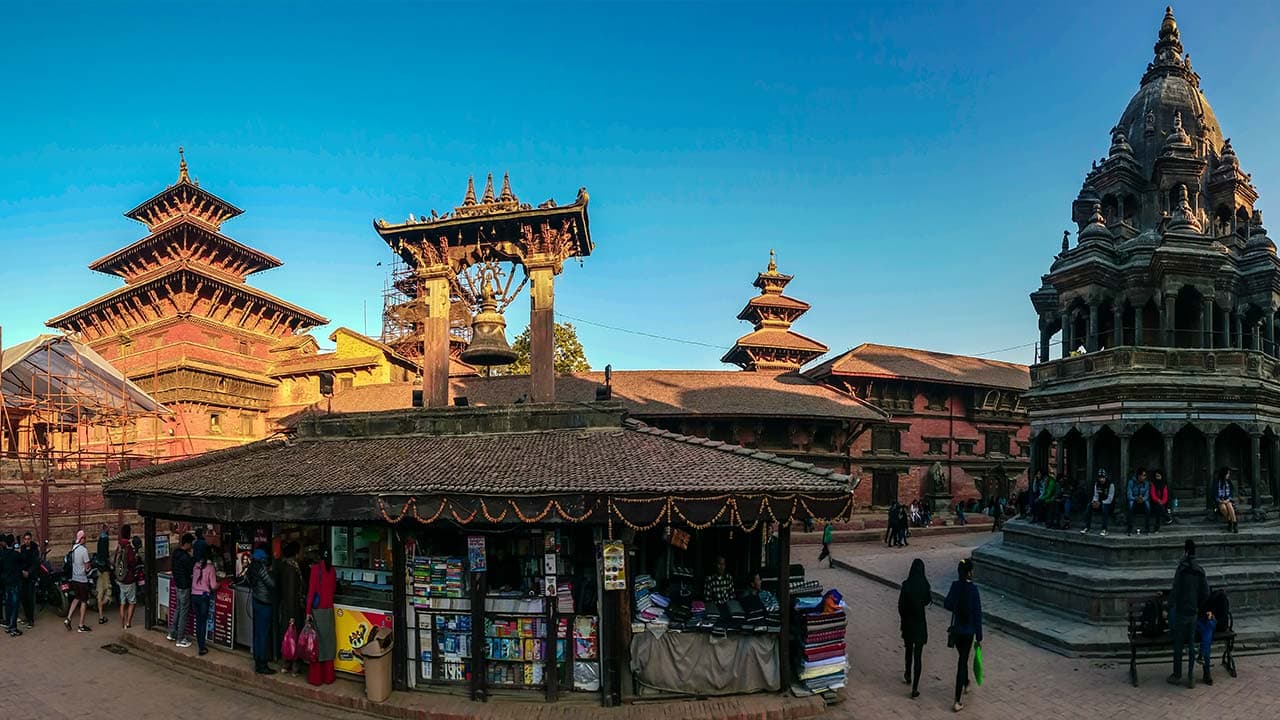
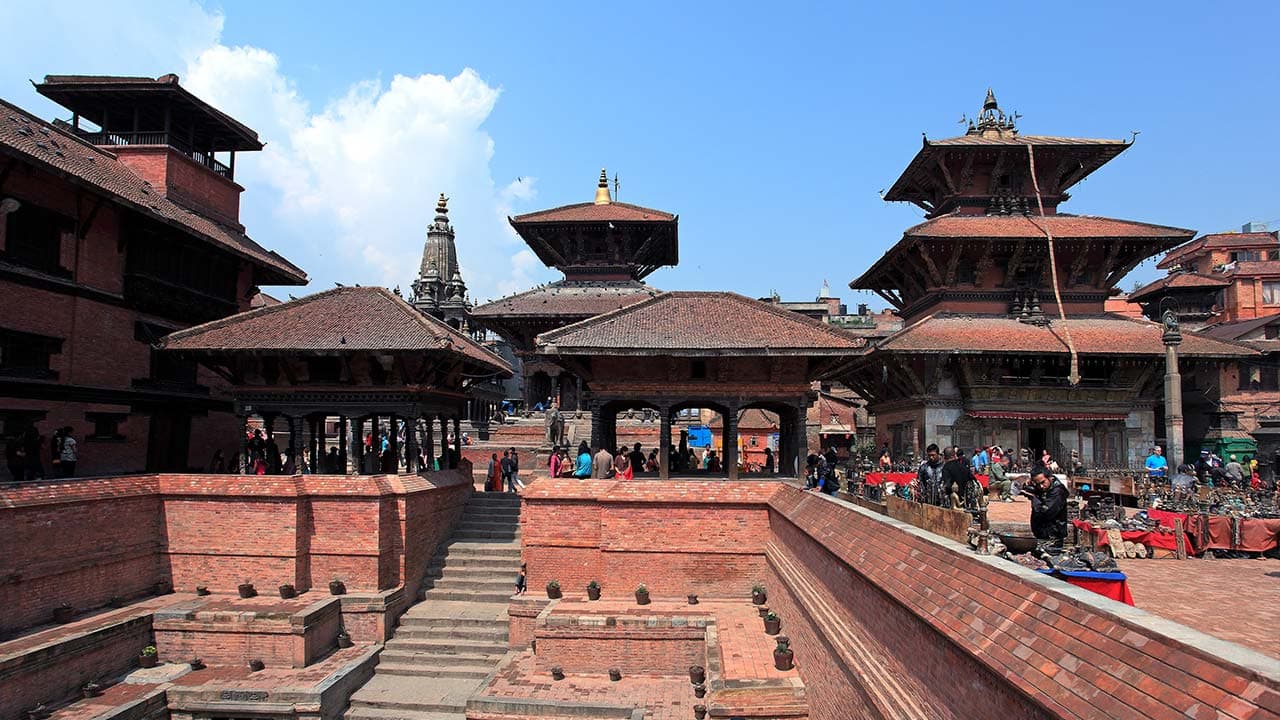
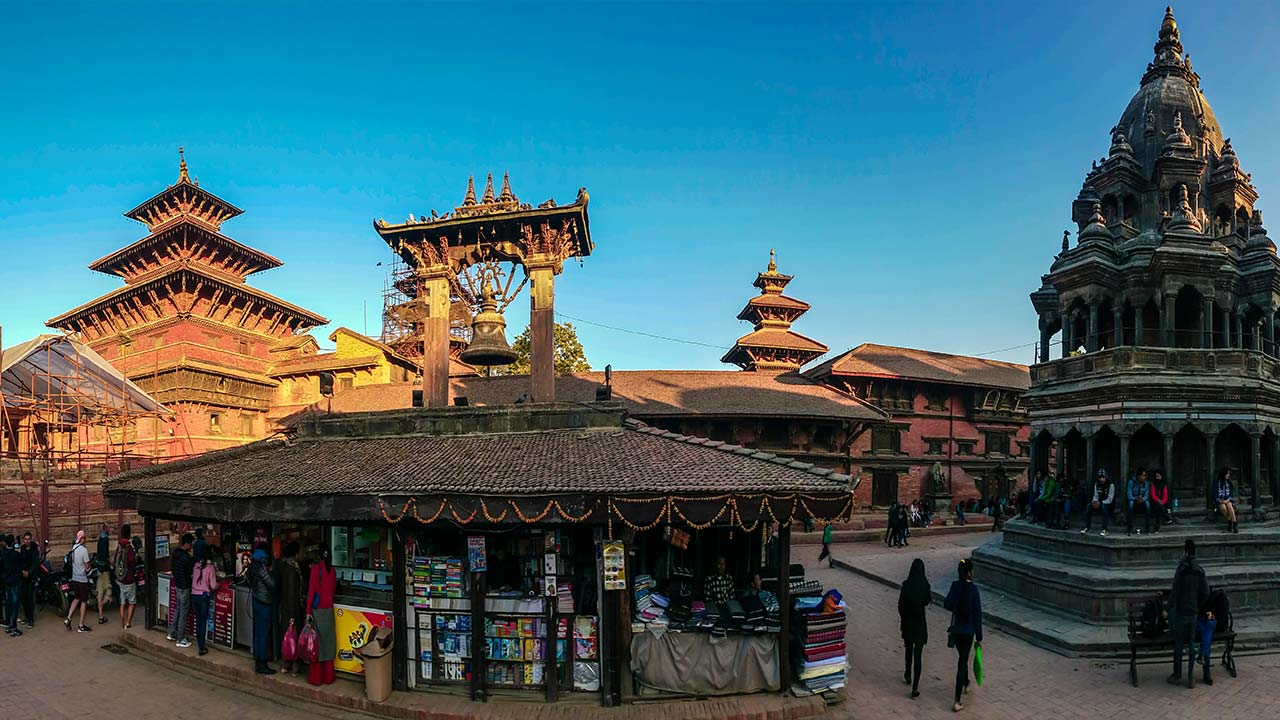
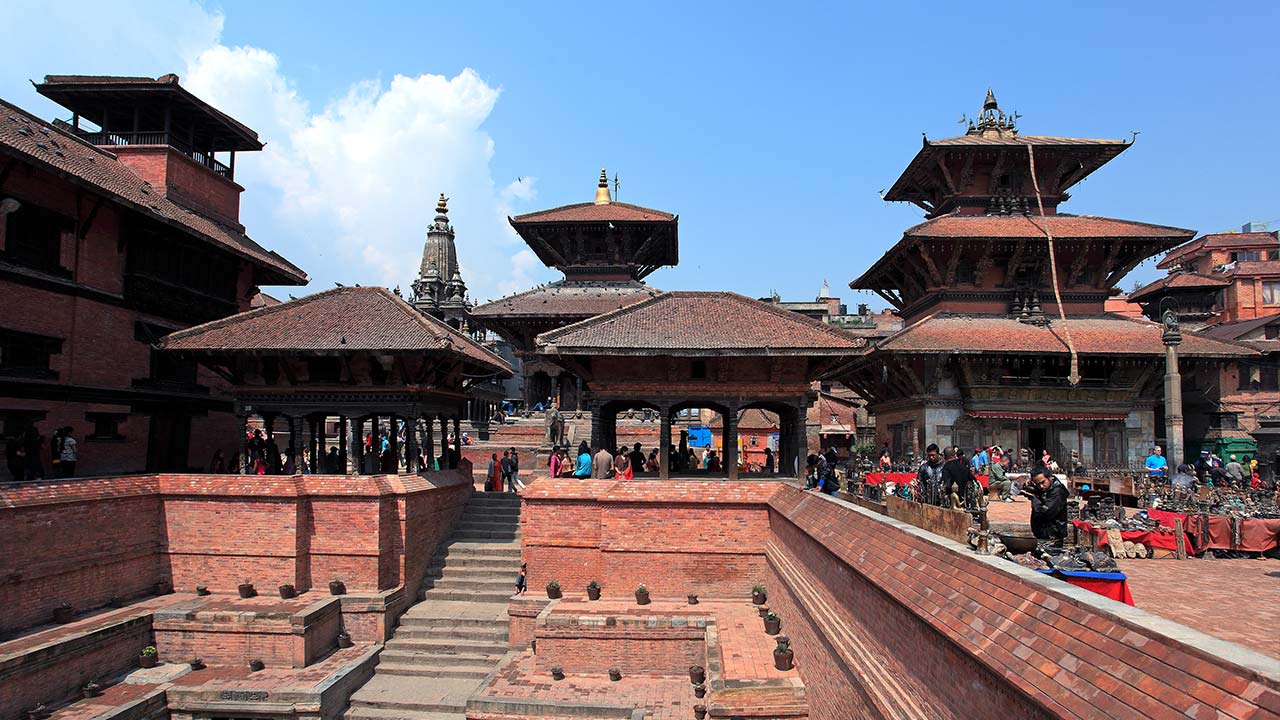
Explore Patan Durbar Square, a masterpiece of Newari architecture filled with ancient temples, palace courtyards, stone sculptures, and intricate woodcarvings
Discover the artistic heritage of Patan, a city renowned for its traditional metalwork, Buddhist craftsmanship, and centuries-old artisan culture
Step inside Patan Museum and gain a deeper understanding of Nepal's religious art, architecture, and royal history
Visit the beautifully preserved Golden Temple (Hiranya Varna Mahavihar), one of Patan's most important Buddhist monasteries
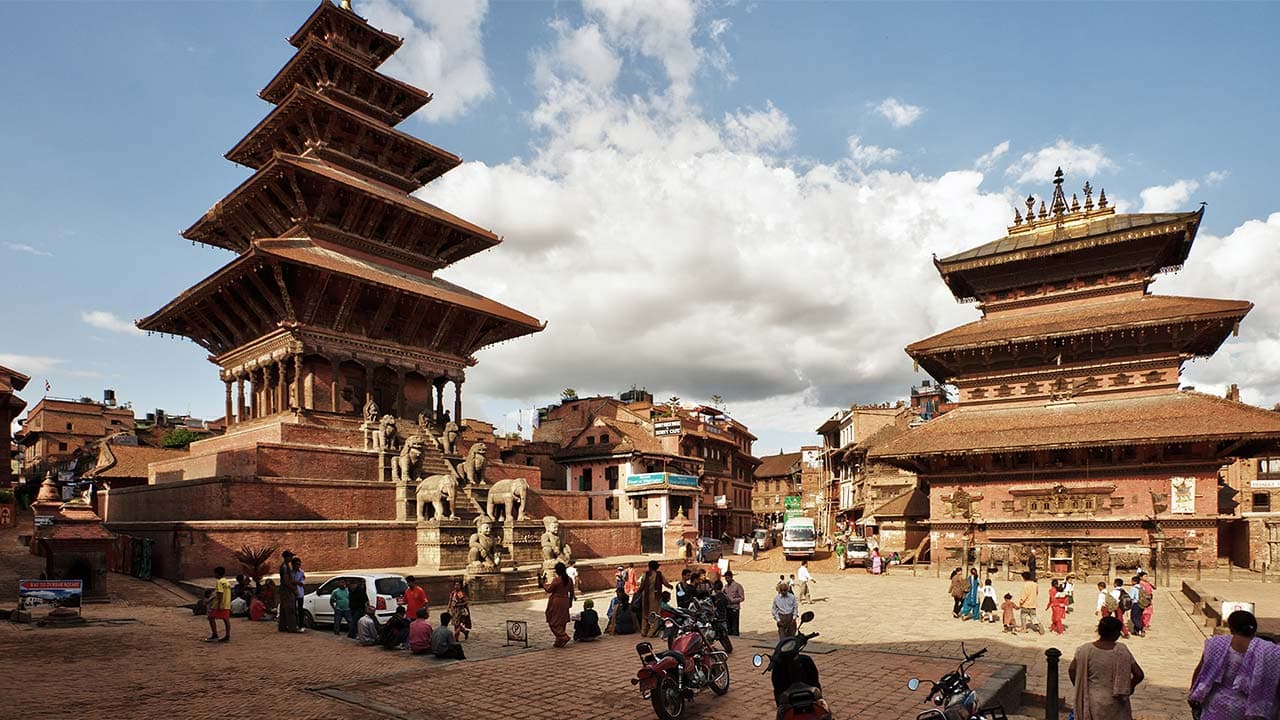
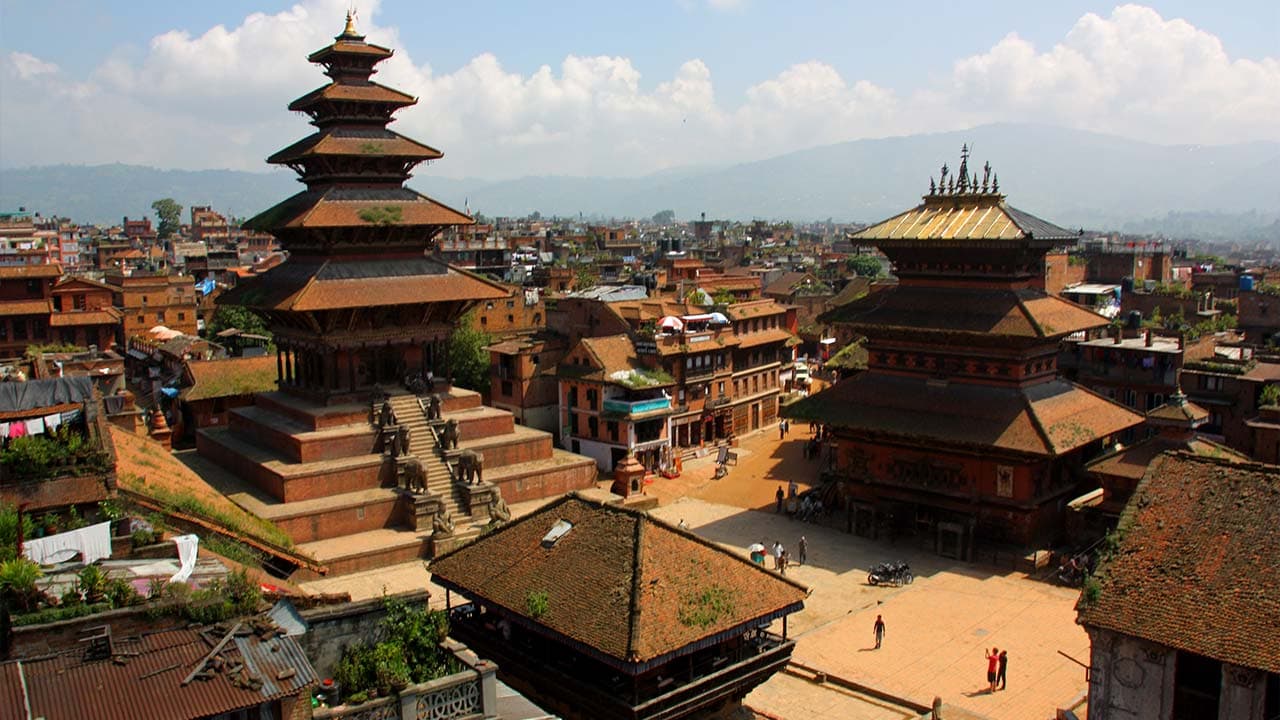
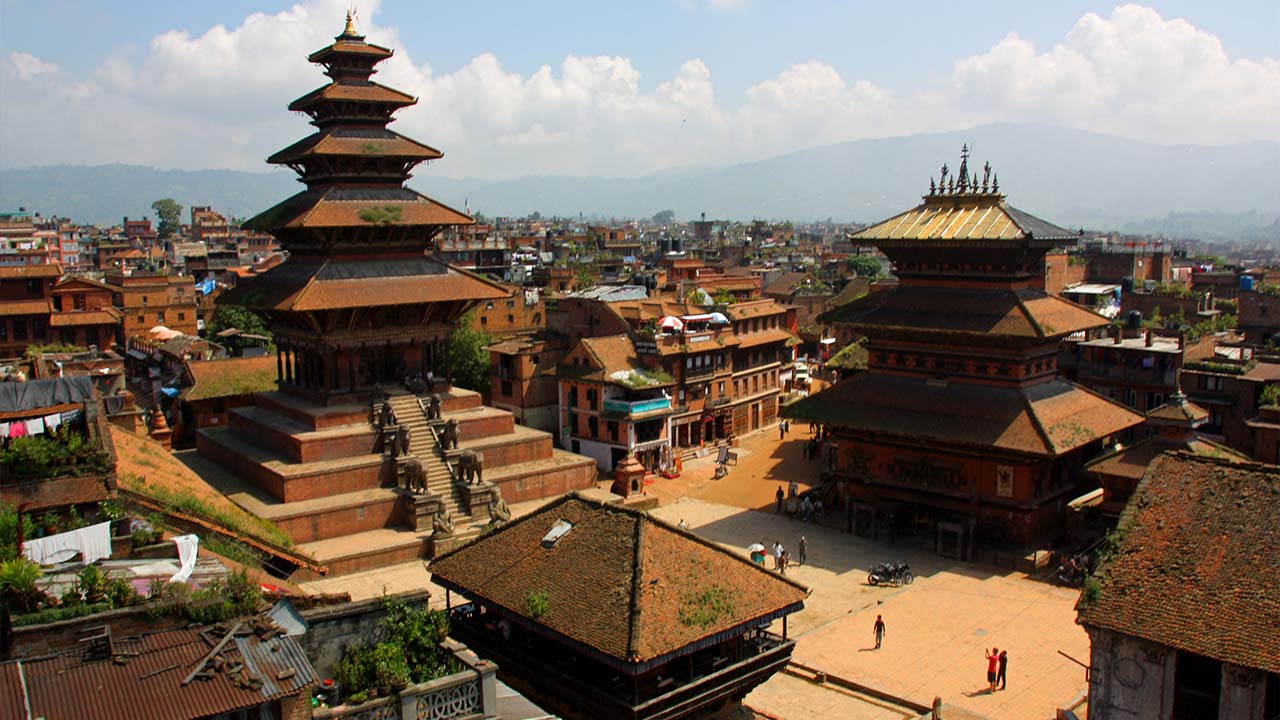
Experience the historic atmosphere of Bhaktapur Durbar Square, where grand palaces, temples, and traditional Newari architecture create an exceptional open-air heritage setting
See Nyatapola Temple, the tallest pagoda-style temple in Nepal and one of the finest examples of traditional Newari architecture
Wander through Bhaktapur's ancient squares and lanes, where traditional crafts, local life, and historic buildings still exist side by side
Discover Bhaktapur's famous pottery tradition and see how generations-old craftsmanship remains part of the city's identity
Taste Juju Dhau, Bhaktapur's traditional king of yogurt and one of the valley's most recognizable local specialties
Learn the stories, religious traditions, and architectural details behind the heritage sites from an experienced local guide
Experience two of the Kathmandu Valley's UNESCO World Heritage cultural sites in a single day
See a side of Nepal shaped by Newari art, religion, architecture, festivals, and craftsmanship, beyond the country's famous mountain landscapes
Enjoy a comfortable private day tour from Kathmandu without the commitment of a multi-day cultural or trekking itinerary
A rewarding cultural experience for travelers with limited time who want to understand Nepal's history and living heritage beyond Kathmandu's modern cityscape
Trip Overview
The Kathmandu Valley is much more than a collection of ancient temples. It is a place where religion, art, architecture, craftsmanship, and everyday life have developed side by side for centuries. The Patan and Bhaktapur Day Tour offers a chance to step into that living heritage and see why these two historic cities are considered among the cultural highlights of Nepal.
Patan and Bhaktapur each preserve a distinctive expression of the Newari civilization that shaped the valley. Their historic squares, temples, courtyards, monasteries, and traditional streets are not simply monuments left behind by another era. They remain connected to festivals, rituals, local craftsmanship, and community life, giving travelers a much deeper understanding of Nepal than sightseeing alone can provide.
What makes this experience particularly rewarding is the opportunity to slow down and notice the details. Intricate woodcarvings hidden on centuries-old buildings, beautifully worked metal statues, traditional courtyards tucked behind narrow streets, and religious shrines still visited by local communities reveal the extraordinary level of skill and devotion that went into building these cities. The stories behind them are just as fascinating as what you see.
This is also an excellent cultural experience for travelers with limited time in Nepal. You do not need a multi-day trek or an extended cultural journey to encounter the country's architectural heritage and Newari traditions. A well-planned day gives you enough time to look beyond the famous landmarks and appreciate the character, history, and living culture of two of the Kathmandu Valley's most important heritage cities.
For travelers who want to understand Nepal beyond the mountains, the Patan and Bhaktapur Day Tour provides one of the most meaningful ways to spend a day around Kathmandu.
Why Choose Patan and Bhaktapur Day Tour?
The Bhaktapur and Patan Tour is much more than a visit to two historic squares. It is an opportunity to understand the cultural foundations of the Kathmandu Valley through its architecture, religious traditions, craftsmanship, and living Newari communities. Within a single day, the tour brings together some of the valley's most remarkable heritage while allowing you to experience how these traditions continue to shape local life.
Experience Two Remarkable Newari Heritage Cities in One Day
Patan and Bhaktapur developed as important Newari cities within the Kathmandu Valley, and both have preserved an extraordinary collection of temples, courtyards, palaces, monasteries, and traditional homes. Yet they each have their own character. Patan is particularly celebrated for its artistic traditions and exceptional craftsmanship, especially its Buddhist and Hindu sculptures, metalwork, and intricate architectural details.
Bhaktapur has a distinctly medieval atmosphere, with broad historic squares, brick-paved lanes, imposing temples, and traditional buildings that give the old city a remarkable sense of continuity. Experiencing both in one day allows you to appreciate the richness of Newari culture from two different perspectives rather than seeing a single heritage site in isolation.
Discover Architecture That Tells Stories
The architecture of Patan and Bhaktapur is not simply beautiful to look at. Almost every temple, statue, courtyard, and carved doorway carries a religious, historical, or cultural meaning. Pagoda-style temples rise above ancient squares, stone and metal sculptures represent Hindu and Buddhist deities, and detailed wooden windows reveal the extraordinary skill of Newari artisans.
The longer you look, the more details begin to emerge, from protective figures positioned around temple entrances to delicate carvings built into centuries-old residential buildings. A knowledgeable guide adds another layer to the experience by explaining what you are seeing and why these structures mattered to the communities that built them.
See Newari Craftsmanship at Its Finest
The Kathmandu Valley has long been one of the great centers of traditional craftsmanship in the Himalayas, and Patan in particular is renowned for its artisans. Generations of craftspeople have preserved techniques associated with metal statues, woodcarving, stonework, painting, and religious objects.
This artistic tradition is still visible throughout the historic areas. Instead of treating the old cities as archaeological remains, the tour allows you to see craftsmanship as part of a continuing cultural tradition. For travelers interested in architecture, photography, art, or history, these details can become some of the most memorable parts of the day.
Understand the Connection Between Hinduism and Buddhism
One of the most fascinating aspects of the Kathmandu Valley is the way Hindu and Buddhist traditions have existed alongside one another for centuries. Patan and Bhaktapur provide an excellent opportunity to see this relationship in practice. Sacred spaces dedicated to different religious traditions can exist remarkably close to one another, while local festivals, rituals, sculptures, and architectural traditions often reflect influences from both.
This shared cultural landscape helps explain why religion remains such a visible part of everyday life in the valley. The experience becomes much more meaningful when you understand the beliefs and stories behind the places rather than simply photographing them.
Step Into the Living Culture of the Kathmandu Valley
The greatest difference between visiting a historic monument and visiting a living heritage city is what happens around the monument. In Patan and Bhaktapur, the old squares and courtyards are still connected to everyday life. People gather at traditional rest houses, worship at neighborhood shrines, artisans continue their work, and religious ceremonies remain part of the calendar.
Narrow lanes lead away from the main attractions into residential neighborhoods where traditional architecture and modern life exist side by side. This gives the tour a sense of authenticity that a museum alone cannot provide. You are not simply looking at Nepal's past; you are seeing traditions that remain relevant to the people who live there.
Explore Beyond Kathmandu's Modern Cityscape
Kathmandu is often the first impression travelers have of Nepal, with its busy streets, restaurants, shops, hotels, and growing urban landscape. But the valley has a much older identity beneath its modern surface. Patan and Bhaktapur reveal that deeper layer. Their historic streets and courtyards show how the valley developed as a center of trade, religion, art, and craftsmanship long before modern Kathmandu existed in its current form.
For travelers who want to understand Nepal rather than simply pass through it, this cultural perspective adds an important dimension to a trip that might otherwise focus primarily on mountains and trekking.
A Rich Cultural Experience Without a Multi-Day Itinerary
Not every traveler has the time for a long trek or an extended cultural journey. Work schedules, family travel, flight plans, and limited vacation time often mean that a day around Kathmandu needs to count. The Patan and Bhaktapur Day Tour makes it possible to experience a substantial part of Nepal's cultural heritage without committing several days to the journey.
In Patan and Bhaktapur Day Tour, you can spend the day exploring historic cities, learning about their traditions, appreciating exceptional architecture, and experiencing local life before returning to Kathmandu. It is particularly valuable for first-time visitors who want more from Nepal than a quick introduction to the capital but have limited time available.
A Different Way to Experience Nepal
Nepal is famous for Everest, Annapurna, Himalayan trekking, and dramatic mountain scenery, but the country's identity cannot be understood through landscapes alone. Its history, religions, artistic traditions, and communities are equally important. Bhaktapur and Patan Tour bring those elements together in a way that is accessible, engaging, and easy to fit into a busy Nepal itinerary. By the end of the day, you will have seen far more than ancient temples and royal squares. You will have gained a clearer understanding of the people, beliefs, craftsmanship, and traditions that have shaped the Kathmandu Valley for centuries.
Cost Details
What's Included in Patan and Bhaktapur Day Tour
Professional Tour Guide with his salary and his expenses.
Private vehicle depends on group size.
Kathmandu Valley Map.
Mineral water.
Government Tax.
What's Excluded in Patan and Bhaktapur Day Tour
Entry Fees for temple and Heritage site.
Lunch and your personal expenses.
Tipping for Guide and Driver.
Price & Availability
Group Discount Available
1 Person
US$ 75
2 - 5 Person
US$ 65
6 - 12 Person
US$ 55
13 - 20 Person
US$ 45
Itinerary
Phase 1: Hotel Pickup and Drive into the Cultural Heart of the Kathmandu Valley
Your Patan and Bhaktapur Day Tour begins with a morning pickup from your hotel in Kathmandu. After meeting your guide and settling into your private vehicle, you leave the busy streets of the capital and head toward two of the Kathmandu Valley's most important historic cities. The drive is relatively short, but the change in atmosphere is noticeable. Kathmandu's dense urban landscape gradually gives way to older neighborhoods, traditional houses, temples, courtyards, and streets where historic architecture continues to exist alongside modern city life.
Your guide will introduce you to the history of the valley and explain how Patan and Bhaktapur developed as important centers of Newari culture, religion, trade, and craftsmanship. Rather than treating the drive as simply transportation between attractions, this introduction helps put the places you are about to visit into context.
Phase 2: Discover the Historic City of Patan
Your first major cultural experience begins in Patan, also known as Lalitpur, a city celebrated for its extraordinary artistic and architectural traditions. Patan has been an important center of Newari craftsmanship for centuries, and its historic core contains some of the finest examples of religious architecture in the Kathmandu Valley. As you walk through the historic streets, your guide will help you notice details that are easy to overlook when exploring independently.
Intricately carved wooden windows, stone sculptures, metalwork, traditional courtyards, and small shrines appear throughout the old city, revealing how deeply art and religion are woven into everyday life. The pace is relaxed, giving you time to appreciate the architecture, photograph the details, and learn about the traditions that have shaped Patan over generations.
Phase 3: Explore Patan Durbar Square and Its Royal Heritage
The heart of the Patan experience is Patan Durbar Square, a remarkable collection of temples, palace buildings, courtyards, statues, and traditional architectural details. Once the center of the city's royal complex, the square now offers an extraordinary window into the artistic and religious history of the Kathmandu Valley. You will have the opportunity to see important landmarks including Krishna Mandir, Bhimsen Temple, and other historic structures surrounding the square.
Krishna Mandir is particularly notable for its distinctive stone architecture and religious importance, while the surrounding temples demonstrate the remarkable variety of Newari design. Your guide will explain the stories, symbolism, and religious traditions associated with the major monuments, helping you understand why Patan became known as one of Nepal's great centers of art and craftsmanship.
Phase 4: Visit Patan Museum and the Golden Temple
Continue deeper into Patan's cultural heritage with visits to some of the city's most significant artistic and religious sites. Patan Museum, located within the historic palace complex, provides a more detailed look at Nepal's traditional religious art and the craftsmanship behind many of the sculptures and objects found throughout the valley. The experience then extends beyond the royal center to the Golden Temple (Hiranya Varna Mahavihar), an important Buddhist monastery known for its intricate decoration and peaceful courtyard.
The temple provides another perspective on Patan's cultural identity and the close relationship between Buddhist and Hindu traditions throughout the Kathmandu Valley. This combination of museum, monastery, temples, and historic streets allows you to see Patan not simply as an old city, but as a place where art, religion, and community life have developed together for centuries.
Phase 5: Drive from Patan to Bhaktapur
After exploring Patan, you return to your private vehicle and continue toward Bhaktapur. The journey provides a short break from walking before the second half of your cultural exploration begins. As you travel east through the Kathmandu Valley, your guide can explain the historical relationship between the valley's ancient city-states and the distinctive character that developed in each one.
Although Patan and Bhaktapur share many Newari traditions, their architecture, atmosphere, and cultural character are noticeably different. By the time you reach Bhaktapur, the surroundings begin to feel increasingly removed from the modern pace of Kathmandu.
Phase 6: Explore the Medieval Streets of Bhaktapur
Bhaktapur offers one of the strongest impressions of the Kathmandu Valley's medieval heritage. Its historic center is filled with brick-paved streets, traditional Newari houses, ancient courtyards, temples, and public spaces that continue to form part of local life. Walking through the city allows you to experience the heritage at street level rather than simply viewing it from a vehicle.
You may see artisans working with traditional materials, locals gathering around neighborhood shrines, and everyday activities taking place among buildings that have stood for generations. The experience becomes especially interesting when your guide explains how these spaces were used historically and how many of their religious and social functions continue today.
Phase 7: Discover Bhaktapur Durbar Square and Nyatapola Temple
The cultural centerpiece of Bhaktapur is Bhaktapur Durbar Square, where an impressive collection of temples, palace buildings, courtyards, and traditional architecture reflects the city's former importance as a royal capital. From here, the exploration continues toward Taumadhi Square and Nyatapola Temple, one of Bhaktapur's most recognizable landmarks. Rising above the square, the five-story pagoda demonstrates the extraordinary engineering and craftsmanship of traditional Newari architecture.
You will also have the opportunity to discover other important monuments and courtyards in the historic center, including Dattatreya Square and its surrounding heritage. Rather than rushing from one landmark to the next, your guide will connect the architecture with the religious beliefs, legends, and traditions that give these places their meaning.
Phase 8: Experience Bhaktapur's Pottery and Local Traditions
Bhaktapur's heritage extends beyond its temples and royal buildings. The city is also known for its traditional pottery culture, particularly around Pottery Square, where clay craftsmanship has remained an important part of the local identity. Depending on the day's activity, you may see artisans shaping and drying traditional pottery while learning how these skills have been passed from one generation to another.
You can also take time to experience some of Bhaktapur's local flavors. The city is particularly famous for Juju Dhau, a rich traditional yogurt often described as the "king of yogurt." Trying a local specialty adds a simple but memorable connection to the city's living culture.
Phase 9: Lunch and Free Time in Bhaktapur
Around midday, you will have time to enjoy lunch at a local restaurant in or around the historic area. This is a good opportunity to sample traditional Newari cuisine or choose another meal that suits your preference. After lunch, some free time allows you to slow down and explore at your own pace.
You may browse local handicrafts, take photographs of the historic streets, enjoy a quiet courtyard, or simply observe daily life around the old city. The exact timing can be adjusted according to your interests and the pace of the day, particularly for private tours.
Phase 10: Return Drive to Kathmandu and Hotel Drop-Off
After completing your exploration of Patan and Bhaktapur, you meet your driver for the return journey to Kathmandu. Depending on traffic and the day's schedule, the full sightseeing experience generally takes around 6 to 7 hours, although the timing can be adjusted for private tours. As you return to your hotel, the day comes together as more than a collection of famous landmarks.
You will have moved through two historic Newari cities, explored royal courtyards and sacred temples, learned about centuries-old craftsmanship, experienced local traditions, and gained a deeper understanding of the cultural foundations of the Kathmandu Valley. By the end of the Patan and Bhaktapur Day Tour, you will have seen a side of Nepal that cannot be understood from Kathmandu's modern streets alone.
If the provided schedule isn't suitable for you, we can create personalized travel arrangements.
The Patan Bhaktapur Day Trip is special because it brings together two of the Kathmandu Valley's most important cultural centers in a way that goes far beyond ordinary sightseeing. Within a single day, you can explore centuries of Newari architecture, discover the artistic traditions that made the valley famous, understand the connection between Hinduism and Buddhism, and see how ancient customs continue to exist alongside modern life.
What makes the Patan and Bhaktapur Sightseeing Tour experience particularly rewarding is the contrast between the two cities. Patan is celebrated for its exceptional artistic heritage and craftsmanship, while Bhaktapur retains a distinctive medieval atmosphere shaped by its royal history, temples, traditional streets, and local traditions. Experiencing both gives you a broader understanding of the valley than visiting either city alone.
What makes this day trip truly memorable:
Two Historic Cities, Two Distinct Cultural Experiences: Explore Patan's celebrated artistic and religious heritage before discovering Bhaktapur's medieval streets, royal squares, and distinctive Newari character.
A Journey Through Living Heritage: These are not simply collections of preserved monuments. People still worship at neighborhood shrines, practice traditional crafts, celebrate festivals, and use historic courtyards as part of everyday community life.
Exceptional Newari Architecture and Craftsmanship: From intricate woodcarvings and metal statues to pagoda temples and beautifully designed courtyards, the cities reveal the extraordinary skills passed through generations of Newari artisans.
Discover the Relationship Between Hindu and Buddhist Traditions: Patan and Bhaktapur provide a fascinating look at the way different religious traditions have coexisted and influenced one another throughout the Kathmandu Valley.
See More Than the Famous Landmarks: With a knowledgeable guide, the small details become part of the experience. Architectural symbols, religious figures, traditional courtyards, local rituals, and old legends help turn sightseeing into genuine cultural understanding.
Experience Nepal Beyond the Mountains: Nepal is famous for Himalayan trekking, but its identity is equally rooted in ancient cities, religion, art, architecture, and community traditions. This day trip reveals that often-overlooked side of the country.
A Rich Cultural Experience Without a Long Journey: You can experience some of Nepal's most significant heritage within a single day from Kathmandu, making the tour ideal for travelers with limited time.
A More Meaningful Way to Spend a Day Around Kathmandu: Instead of simply ticking famous monuments off a list, you get time to understand the people, traditions, craftsmanship, and history that have kept these cities alive for centuries.
Best Season for Patan Bhaktapur Tour
The Patan and Bhaktapur Day Tour can be enjoyed throughout the year, as the Kathmandu Valley has a relatively moderate climate and the experience does not depend on high-altitude conditions. The historic squares, temples, museums, courtyards, and traditional streets remain open to exploration in every season, with each period offering a slightly different atmosphere. For most travelers, spring (March to May) and autumn (September to November) are the best seasons.
These months bring comfortable daytime temperatures, generally clearer skies, and pleasant conditions for spending several hours walking between heritage sites. Winter (December to February) is also excellent for travelers who prefer crisp weather and quieter streets, while summer and monsoon (June to August) offer lush surroundings and fewer visitors but bring more frequent rain and cloudy conditions.
Spring (March to May): Warm Weather and Pleasant Sightseeing
Spring is one of the most enjoyable seasons for exploring Patan and Bhaktapur. Temperatures gradually rise after winter, while the Kathmandu Valley becomes greener and more vibrant. The weather is generally comfortable for walking through historic squares, visiting temples, and exploring the narrow streets without the intense heat experienced in some other parts of the year.
Daytime temperatures generally range from 18°C to 28°C (64°F to 82°F), while mornings and evenings remain cooler. The combination of warm days, relatively comfortable walking conditions, and fresh seasonal landscapes makes spring particularly attractive for travelers who want to spend plenty of time outdoors.
The season is also excellent for photography. Morning light can bring out the textures of old brickwork and carved wooden buildings, while the warmer afternoons create a lively atmosphere around the traditional squares and local neighborhoods.
Autumn (September to November): Best Overall Season for Clear Skies
Autumn is generally considered the best overall season for a Patan and Bhaktapur Day Tour. The monsoon rains have cleared much of the dust and haze from the valley, skies are typically clearer, and the weather is comfortable for a full day of cultural exploration. Daytime temperatures usually range from 18°C to 27°C (64°F to 81°F), with cooler mornings and evenings. Rainfall is much less frequent than during the monsoon, making it easier to plan a full day outdoors without worrying about sudden downpours.
The atmosphere can also be particularly lively during this period because autumn coincides with some of Nepal's most important festivals. Depending on the exact dates of your visit, you may encounter religious ceremonies, traditional decorations, processions, or local celebrations that add another layer to the cultural experience.
For travelers looking for the best combination of pleasant weather, clear skies, cultural activity, and comfortable sightseeing, autumn is difficult to beat.
Winter (December to February): Crisp Weather and Quieter Heritage Sites
Winter brings cooler temperatures to the Kathmandu Valley but remains a very good season for cultural sightseeing. The days are generally dry, and the crisp atmosphere can create excellent visibility across the valley. The historic architecture of Patan and Bhaktapur can be especially enjoyable to photograph under clear winter skies. Daytime temperatures generally range from 10°C to 20°C (50°F to 68°F), while early mornings and evenings can become quite cold, with temperatures sometimes falling to around 2°C to 7°C (36°F to 45°F).
The cooler weather is rarely a major obstacle because much of the tour involves walking at a relaxed pace rather than strenuous physical activity. A warm jacket or sweater is recommended for the morning, while layering makes it easy to adjust as the day becomes warmer.
Winter can also be appealing to travelers who prefer a calmer experience. With fewer visitors compared with the main autumn and spring periods, you may find it easier to appreciate the quieter courtyards, temples, and traditional streets.
Summer and Monsoon (June to August): Lush Valley and Fewer Crowds
Summer and monsoon bring the highest rainfall to the Kathmandu Valley. Temperatures generally range from 20°C to 29°C (68°F to 84°F), and humidity can make the afternoons feel warmer. Rain is often concentrated in bursts, particularly later in the day, although conditions can vary considerably. The advantage is that the valley becomes exceptionally green during this period. Rain-washed brick buildings, fresh vegetation, and cloudy skies can create a completely different visual character around Patan and Bhaktapur.
Visitor numbers are also generally lower, making this an appealing season for travelers who prefer quieter heritage sites. The main consideration is flexibility. Rain can make walking through some older stone- and brick-paved areas slippery, and heavy showers may temporarily interrupt sightseeing. Carrying a compact umbrella or rain jacket and keeping some flexibility in the day's schedule is recommended.
Despite the wetter conditions, monsoon should not automatically be ruled out. Travelers who enjoy atmospheric weather, greener landscapes, and fewer crowds can experience Patan and Bhaktapur from a very different perspective during this season.
Which Season Is Best for You?
Autumn (September to November) is the best overall choice for clear weather, comfortable temperatures, and a lively cultural atmosphere. Spring (March to May) is another excellent option, particularly for pleasant daytime conditions and vibrant surroundings. Winter (December to February) works well for travelers who prefer cooler weather, clear skies, and quieter heritage sites, while monsoon (June to August) suits those who do not mind occasional rain and want fewer crowds.
Since Patan and Bhaktapur are accessible throughout the year, the best time ultimately depends on what you value most. The cultural heritage remains remarkable in every season; only the weather, light, crowds, and atmosphere change.
Difficulty and Accessibility
The Patan Bhaktapur Day Trip is an easy cultural sightseeing experience suitable for travelers of most ages and fitness levels. Unlike a trekking or hiking route, the tour does not involve steep climbs, high-altitude conditions, or strenuous physical activity. Most of the day involves walking through historic squares, temples, courtyards, museums, and traditional streets at a comfortable pace. You do not need previous trekking experience or special physical preparation to enjoy the experience.
The historic areas do include some uneven brick and stone paths, temple steps, and narrow lanes, so comfortable walking shoes are recommended. You should be comfortable walking for several hours with regular stops for sightseeing and photography. Travelers with limited mobility may find some sections challenging because several heritage structures have stairs and uneven surfaces.
Accessibility is one of the major advantages of this tour. Both Patan and Bhaktapur are located within the Kathmandu Valley and can be reached by private vehicle without domestic flights or long-distance travel. This makes the tour particularly convenient for families, older travelers, couples, and visitors with limited time in Nepal who want to explore the country's cultural heritage without taking on a physically demanding adventure.
In overall, the Patan Bhaktapur Cultural Tour is an easy and comfortable way to experience Nepal's history, architecture, and living culture, making it suitable for almost anyone who can manage several hours of relaxed walking.
Transportation for Bhaktapur and Patan Tour
Transportation for the Patan and Bhaktapur Sightseeing Tour is arranged entirely by private road transfer, making the experience convenient from the moment you leave your hotel. Your day begins with a comfortable pickup from your hotel in Kathmandu, followed by a short drive toward Patan. Depending on traffic and your starting location, the journey generally takes around 30 to 45 minutes.
After exploring Patan, you will continue by private vehicle toward Bhaktapur. The drive usually takes around 45 minutes to 1 hour, although Kathmandu Valley traffic can affect the exact travel time. Once your exploration of Bhaktapur is complete, your vehicle will take you back to Kathmandu and drop you off at your hotel.
Depending on the size of your group, transportation can be arranged in a private car, jeep, or tourist van. Private transportation provides greater comfort and flexibility throughout the day, allowing you to travel between the two heritage cities without worrying about public buses, local taxis, or complicated transfers.
With round-trip transportation included, you can focus entirely on exploring Patan and Bhaktapur, enjoying the historic architecture, local culture, and heritage sites without having to manage the logistics of getting around the Kathmandu Valley.
What to Bring?
The Patan and Bhaktapur Day Tour Packages do not require any special equipment or trekking gear. Since this is a relaxed cultural sightseeing experience, a small daypack with a few practical essentials is enough to keep you comfortable throughout the day.
Comfortable walking shoes are the most important item to bring. Although the tour does not involve hiking, you will spend several hours walking through historic squares, traditional streets, courtyards, and temple areas. Some sections have uneven brick paving and stone steps, so supportive footwear with good grip is preferable to sandals or uncomfortable casual shoes.
Dress according to the season and bring a light jacket or extra layer during the cooler months, particularly for early mornings and evenings. During the summer and monsoon season, a compact umbrella or lightweight rain jacket can be useful in case of unexpected showers. Modest clothing is recommended when visiting temples and religious sites, as some places may have specific expectations regarding dress.
A reusable water bottle is useful for staying hydrated throughout the day, while sunscreen, sunglasses, and a hat or cap can provide extra comfort during sunny periods. You may also want to carry a few light snacks, although restaurants and local shops are available around the heritage areas.
Patan and Bhaktapur are excellent destinations for photography, so bring your phone or camera with enough battery, along with a small power bank if needed. The intricate temples, carved windows, courtyards, traditional streets, and local craftsmanship provide plenty of opportunities for memorable photographs.
Finally, keep your belongings light. A small daypack is more than enough for the tour and makes it easier to move comfortably through the narrow streets and historic areas of both cities.
Extra Expenses
The Patan Bhaktapur Day Trip is designed to keep your day simple, with major transportation and guiding arrangements covered according to your selected package. However, it is useful to carry some extra Nepalese Rupees (NPR) for personal expenses and optional purchases during the tour.
If lunch, drinks, or refreshments are not included in your package, you will need to pay for them separately at local restaurants or cafés in Patan or Bhaktapur. You may also want to purchase bottled water, tea, coffee, or snacks during the day.
Entrance fees to heritage sites, museums, or specific monuments may also be payable separately if they are not included in your package. Your guide can help you with the necessary arrangements and explain any applicable fees during the tour.
Patan and Bhaktapur are excellent places to shop for traditional handicrafts, artwork, handmade souvenirs, local products, and religious items. These purchases are entirely optional and provide an opportunity to support local artisans and businesses.
Tipping is not mandatory in Nepal, but it is appreciated if you are satisfied with the service provided by your guide and driver. Since smaller shops and local businesses may accept cash more readily than cards, carrying some Nepalese Rupees is recommended for convenience. You can withdraw or exchange money in Kathmandu before starting the tour.
Group and Private Tours for Patan and Bhaktapur Day Tour Packages
The Patan Bhaktapur Cultural Tour is available as both a group tour and a private tour, giving you the flexibility to choose an option that fits your budget, travel style, and preferred level of freedom.
Group Tours
Group tours are a practical choice for solo travelers, couples, and small groups who enjoy exploring with fellow travelers. Sharing the guide and transportation helps keep the overall cost lower while creating an opportunity to meet people from different countries along the way. The schedule is generally fixed, but you still have enough time to explore the major heritage sites, learn about the history and culture, and enjoy the atmosphere of Patan and Bhaktapur.
Private Tours
A private tour provides a more personalized and flexible experience with your own guide and vehicle. It is particularly suitable for families, couples, friends, photographers, and travelers who want greater control over their day. You can spend more time at places that interest you, take photographs without feeling rushed, ask your guide more questions, and adjust the pace according to your preferences. Private tours also offer greater comfort and privacy throughout the experience.
Which Option Should You Choose?
If you want a more affordable cultural experience and enjoy meeting other travelers, a group tour is an excellent choice. If you prefer privacy, flexibility, and a customized pace, a private tour is the better option. Both provide the opportunity to explore the remarkable architecture, history, craftsmanship, and living culture that make Patan and Bhaktapur such important destinations in Nepal.
Customization Options
Every traveler experiences Nepal differently. Some are fascinated by ancient architecture and religious history, while others prefer photography, local crafts, food, or simply having more time to explore without feeling rushed. That is why the Patan and Bhaktapur Day Tour can be customized around your interests, schedule, and preferred pace.
Travelers interested in history, architecture, and religion can spend additional time exploring the temples, palace courtyards, monasteries, and museums of Patan and Bhaktapur. Your guide can provide deeper explanations of the stories, architectural details, religious traditions, and cultural practices connected with the heritage sites.
For photographers and art enthusiasts, the day can be adjusted to allow more time for capturing intricate woodcarvings, traditional windows, temple architecture, sculptures, courtyards, and local craftsmanship. You can also spend more time exploring traditional streets and observing artisans at work rather than moving quickly between major attractions.
If local culture and food are your priority, we can allow additional time to discover traditional Newari neighborhoods, local handicrafts, pottery, and specialties such as Juju Dhau. Families and private groups can also request a slower pace, additional rest stops, or more time at attractions that interest everyone.
If you have limited time or would like to combine Patan and Bhaktapur with another nearby cultural experience, we can discuss a customized itinerary that fits your schedule. Simply share your interests and preferences with us before the tour, and we will help create a comfortable and meaningful day around the Kathmandu Valley's rich heritage.
Patan and Bhaktapur Day Tour FAQs
FAQs Related to Patan Bhaktapur Tour
What is Patan and Bhaktapur Day Tour?
The Patan Bhaktapur Cultural Tour is a cultural sightseeing experience that introduces you to two of the Kathmandu Valley's most important historic cities. The tour focuses on ancient temples, royal courtyards, Newari architecture, religious traditions, traditional craftsmanship, and the living culture that continues to shape both cities.
How Long Does the Patan and Bhaktapur Tour Take?
The Patan and Bhaktapur Day Tour generally takes around 6 to 7 hours, including transportation and sightseeing. The exact duration can vary depending on traffic, the time spent at individual heritage sites, and the pace of your visit. Private tours can also be adjusted to suit your schedule and interests.
What Are the Main Attractions Included in the Patan and Bhaktapur Tour?
Major attractions generally include Patan Durbar Square, Krishna Mandir, Patan Museum, the Golden Temple, Bhaktapur Durbar Square, Nyatapola Temple, Taumadhi Square, and Dattatreya Square. You can also explore traditional streets, courtyards, local craft areas, and Bhaktapur's famous pottery traditions depending on the day's schedule.
How Much Walking is Involved in the Patan and Bhaktapur Tour?
The tour involves several hours of relaxed walking rather than strenuous hiking. You will walk through historic squares, temple courtyards, narrow streets, and traditional neighborhoods, with regular opportunities to stop for photographs and sightseeing. Comfortable walking shoes are recommended because some areas have uneven brick paving and stone steps.
What is the Best Season for the Patan and Bhaktapur Day Tour?
Spring (March to May) and autumn (September to November) are generally the best seasons, offering pleasant temperatures, clearer skies, and comfortable conditions for walking and sightseeing. Autumn is particularly popular because of its dry weather and lively cultural atmosphere, while winter is also excellent for travelers who prefer cooler temperatures and quieter heritage sites.
Can I Take the Patan and Bhaktapur Tour Throughout the Year?
Yes. The Patan Bhaktapur Tour can be enjoyed throughout the year because the destinations are located at a moderate elevation in the Kathmandu Valley. Summer and monsoon can bring rainfall, while winter is cooler, but the cultural attractions remain accessible in every season.
Is the Patan and Bhaktapur Tour Suitable for Families With Children?
Yes, the Patan and Bhaktapur Sightseeing Tour is suitable for families with children. The experience combines historic buildings, temples, traditional streets, local crafts, and interesting cultural stories without requiring strenuous physical activity. Families can also choose a private tour and adjust the pace with additional breaks when needed.
Is the Patan and Bhaktapur Tour Suitable for Older Travelers?
Yes, older travelers can comfortably enjoy the Patan Bhaktapur Day Trip as long as they are able to manage several hours of relaxed walking. There are no demanding climbs or high-altitude conditions, although some heritage areas contain uneven paving and temple steps. A private tour is a good option if you prefer a slower and more flexible pace.
Can Travelers With Limited Mobility Join the Patan and Bhaktapur Tour?
Travelers with limited mobility may join the tour, but some historic areas can be challenging because of uneven brick surfaces, stairs, narrow lanes, and limited accessibility inside certain temples and heritage buildings. If you have specific mobility requirements, let us know in advance so we can adapt the route and transportation as much as possible.
What Type of Transportation is Used During the Tour?
The Patan and Bhaktapur Day Tour Packages use private road transportation, with the vehicle type depending on your group size. A private car, jeep, or tourist van can be arranged. Transportation includes hotel pickup and drop-off, as well as transfers between Patan, Bhaktapur, and Kathmandu.
Can I Combine the Patan and Bhaktapur Tour With Other Kathmandu Valley Attractions?
Yes, the Patan Bhaktapur Cultural Tour can be customized for travelers who want to include additional cultural attractions, depending on the available time. Places such as Boudhanath, Pashupatinath, Swayambhunath, or Kathmandu Durbar Square may be combined with the tour when the schedule allows. Private tours offer the greatest flexibility for creating a customized day.
How Far Are Patan and Bhaktapur From Kathmandu?
Both cities are located within the Kathmandu Valley and are easily accessible from Kathmandu. Patan is generally around 5 to 7 km from central Kathmandu, while Bhaktapur is approximately 12 to 15 km away, depending on your starting point. Travel time varies considerably with Kathmandu Valley traffic.
Can I Take Photographs Inside the Temples and Heritage Sites?
Photography is allowed in many of the outdoor squares, courtyards, and public heritage areas, but restrictions may apply inside certain temples, monasteries, museums, or sacred spaces. Always follow posted rules and your guide's instructions. It is also respectful to ask permission before photographing people, religious ceremonies, or worshippers.
What Should I Wear When Visiting Temples in Patan and Bhaktapur?
Comfortable, modest clothing is recommended when visiting temples, monasteries, and other religious sites. Wear comfortable walking shoes and consider carrying a light layer depending on the season. Avoid overly revealing clothing, and follow any specific dress requirements displayed at individual religious sites.
Why Should I Visit Both Patan and Bhaktapur in One Day?
Visiting both cities allows you to experience two distinct expressions of Newari heritage within a single day. Patan is particularly renowned for its artistic traditions, Buddhist heritage, and craftsmanship, while Bhaktapur is famous for its medieval atmosphere, grand temples, traditional streets, and living cultural traditions. Together, they provide a broader understanding of the Kathmandu Valley's history and culture.
Our Patan and Bhaktapur day tour was one of the highlights of our time in Kathmandu. Bhaktapur especially felt like stepping back into the medieval era, with its beautiful old courtyards, detailed wood carvings, ancient temples and the fascinating Potters’ Square. Walking through the old streets and seeing the traditional architecture up close was incredible. Our guide made the experience even better by explaining the stories and traditions behind the buildings and giving us a much deeper understanding of Newari culture and architecture. Patan was equally impressive, with its beautiful Durbar Square and incredible craftsmanship. It was a full day, but absolutely worth it! I would definitely recommend doing both places with a guide rather than exploring on your own. There is so much history and detail that you could easily miss without someone explaining what you are looking at.
SSophie Laurent9th Aug, 2024
Masterpieces of Newari architecture, pottery squares, and local curds
If you only have one day for cultural sightseeing, combining Patan and Bhaktapur is the ultimate choice. Patan's Durbar Square features incredible metalwork and stone temples, while Bhaktapur feels like a living medieval city with open pottery squares, fine woodcarvings and the famous 55-Window Palace. Our guide gave us fascinating insights into Newari traditions and stopping for a bowl of authentic Juju Dhau (King Curd) in Bhaktapur was the perfect local touch.
FFleur Van Leeuwen29th Jul, 2023
Beautiful wood carvings, old brick squares, and tasty local yogurt
Bhaktapur and Patan honestly felt like giant open-air museums, with beautiful temples, old courtyards, traditional architecture, and so much history around every corner. Having a guide with us made the experience much more interesting because he explained the stories and traditions behind the temples and courtyards instead of us simply walking around and looking at them. We loved wandering through the old streets, taking in the details, and seeing how much of the traditional Newari culture is still part of everyday life. And of course, we had to try the famous JuJu Dhau (King Curd) in Bhaktapur it was creamy, rich, and absolutely delicious! Definitely don’t leave without trying it.
CClara Vance10th May, 2022
An immersive journey through medieval courtyards, living history, and artisan crafts
Exploring Patan and Bhaktapur in a single day felt like stepping directly into the golden age of Newari architecture. In Patan we marvelled at the intricate bronze metalwork and the stunning stone carvings of the Krishna Mandir. Driving over to Bhaktapur brought a completely different energy strolling through the car-free brick alleyways watching potters work at Pottery Square and standing beneath the towering Nyatapola Temple was unforgettable. Trying the authentic Juju Dhau (King's Yogurt) in Bhaktapur was the perfect local touch to a brilliantly guided heritage tour.
MMaria Silva6th Mar, 2019
Intricate woodcarvings, pottery squares, and historic plazas
Bhaktapur and Patan are living museums! Walking through the ancient cobbled alleys and seeing woodcarvers and potters at work felt like traveling back in time.