Highlights of Annapurna Circuit Trek 2026- Cost, Itinerary & Highlights
Spectacular views of the Himalayan range, including Annapurna, Dhaulagiri, Manaslu, and Langtang, among others.
A diverse landscape that takes you through lush green forests, rocky terrain, and high-altitude passes.
The opportunity to interact with locals from different ethnic groups, including Gurung, Thakali, and Manangba, and learn about their culture, traditions, and way of life.
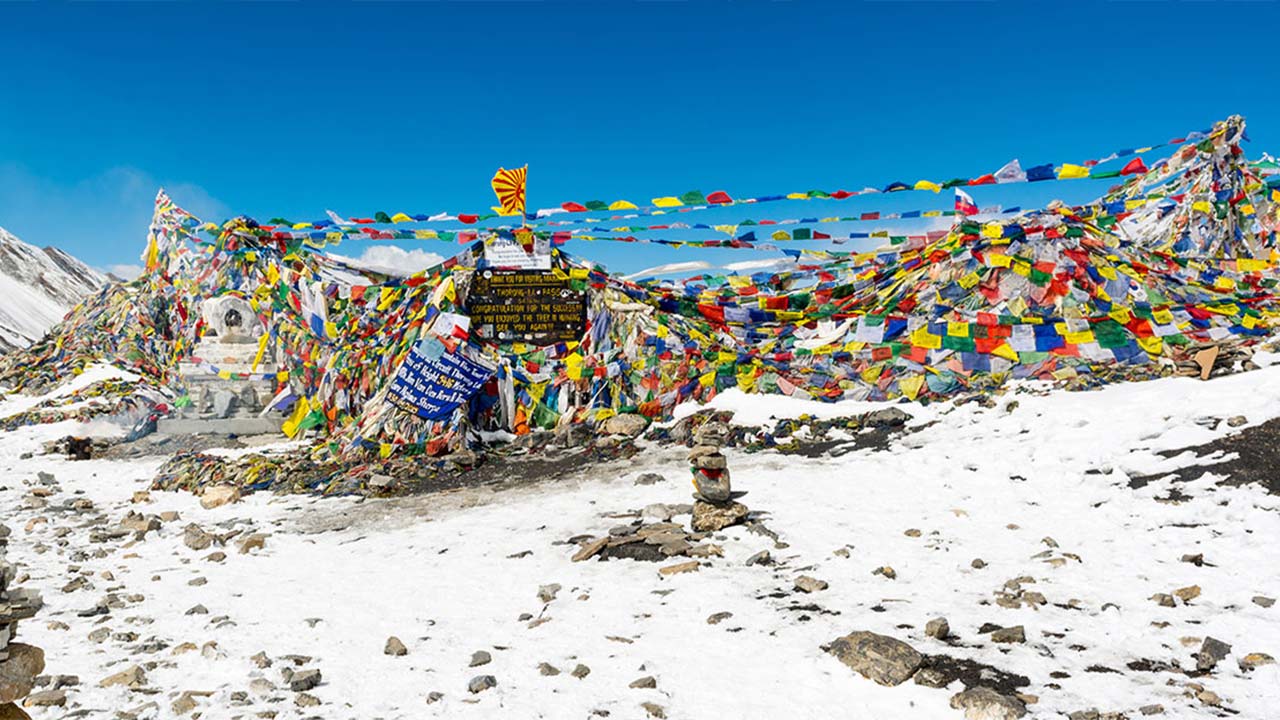
Crossing the challenging Thorong La Pass at an altitude of 5,416 meters, which offers a breathtaking view of the surrounding mountains.
Visit the sacred Hindu temple of Muktinath and immerse yourself in the spiritual and cultural significance of the site.
Trek through charming mountain villages like Manang, Pisang, and Kagbeni, and experience the unique architecture, cuisine, and lifestyle of the locals.
Walk along the Kali Gandaki River, one of the deepest gorges in the world, and witness the unique geological formations and natural beauty of the region.
Enjoy the diverse flora and fauna of the Annapurna region, including rhododendron forests, oak trees, and different species of birds and wildlife.
Witness the sunrise over the Himalayas from Poon Hill, offering a panoramic view of the Annapurna and Dhaulagiri mountain ranges.
Explore the ancient monasteries, chortens, and shrines on the way, and learn about the Buddhist and Hindu influences in the region.
Trip Overview
Trekking the Annapurna Circuit is a delightful, scenic, and cultural adventure. Surely, your time will be enjoyable, as you will be constantly in awe, surrounded by the alluring panoramas of the sparkling peaks. The Annapurna Circuit is one of the finest stretches on the planet, which is blessed with abundant natural wonders. From a favourable climate, breathtaking scenery, and varied terrain to admirable Himalayan culture and traditions, this circuit journey in the Nepali Himalayas is truly blessed in all aspects.
The Annapurna Circuit Trek Nepal is listed as one of the world’s top ten adventure destinations when it comes to a diversified trekking experience. You will begin your journey from the lower warm paddy fields and gradually move on to the artic zones surrounded by snow-clad sentinels and glaciers. Our fabulous Annapurna Circuit Trekking commences with an interesting overland journey from the capital Kathmandu. You will head to the Mid-West Himalaya range to begin your walk from the warm low countryside along the raging Marysangdi River right up to its glacial source at Manang valley.
Then the trek takes you into high cooler hills covered with lovely woodland of tall rhododendron-magnolia-pines-oaks to fir tree lines. Along this scenic adventure, you will also explore the farm hill villages of varied Nepalese old cultures of both Hinduism and Buddhism. As the route leads to higher areas, you will enter the region dominated by the Buddhist religion with fascinating ancient traditions and centuries-old heritage.
On reaching the scenic and beautiful high Manang Valley after passing the villages of Jagat-Dharapani and Chame town, the tree lines start to gradually disappear. The deserted and arid country of Manang will provide a rest day where you get to acclimatize before heading over the high and scenic Thorang La Pass. Manang village is enriched with centuries-old, colorful Buddhist culture. So, visit its impressive monastery and enjoy the scenery of the high-altitude arid landscape that feels like a different world dimension. Then your adventure continues, facing views of high snow-clad peaks to reach the highest spot of the journey at Thorang La Pass.
This is the highest point of the entire Annapurna Circuit Trek route, which is at an altitude of 5,416 meters (17,769 feet) above sea level. From here, the spectacular panorama of the surrounding beautiful landscapes and views of the Dhaulagiri-Annapurna and Chulu Peaks feels otherworldly, to the extent that they feel like they are not part of our mortal world.
A long descent from the pass brings you to the lower Mustang area in the holy Muktinath Temple premises. You will take your time to explore this sacred Hindu temple, a famous pilgrimage spot for Hindu and Buddhist worshipers. The name Muktinath means a place to liberate yourself. From this high and exciting religious landmark, you will drop to the Kaligandaki River valley to reach Jomsom, the headquarters of the Mustang district. And then, the journey continues across warmer areas through the Kaligandaki River gorge, in between the giant peaks of Dhaulagiri and Annapurna. Moreover, the Kaligandaki is the world’s deepest gorge (20 times deeper than the Grand Canyon in the USA).
As the adventure continues, you will head low into warmer paddy field areas and the farm village of Tatopani. A place with a natural hot spring to refresh you. Then, you will take a long climb back into the dense rhododendron forest to reach Ghorepani. And hiking the next morning to Poon Hill rewards you with an awesome panorama of the surrounding mountain ranges. In fact, Poon Hill is the most popular viewpoint for Annapurna, Machhapuchhre, Dhaulagiri, Hiunchuli, Nilgiri, Dhampus, and Tukuche Peak at a moderate elevation point.
After eyeing the pleasant panorama of Annapurna-Dhaulagiri and Machhapuchhre range, you will then get back to Pokhara city. Enjoy the serene Phewa Lake, located on the lap of the massive Annapurna Himalayas, after the long mountain journey. This is a lovely tourist hub and a renowned city of Nepal for its serene and peaceful atmosphere. Here, your adventurous Himalayan journey comes to an end, leaving you with unforgettable memories of dramatic landscapes, rich cultural encounters, and one of the most iconic trekking experiences in the world.
Before diving into the detailed route description, here is the Annapurna Circuit Trek itinerary outline plan table, which provides a clear overview of the entire journey. This table summarizes each day’s destination, elevation changes, trekking or driving distance, and estimated duration. With the help of this table, you will be able to understand how the trek progresses. You will also be able to identify key acclimatization days, major trekking milestones, and the overall pace of your adventure.
Day
Annapurna Circuit Trek Itinerary Plan
Elevation Profile
Distance/ Duration
01
Arrival at Kathmandu (1,400m/ 4,593ft) and hotel transfer
02
Drive from Kathmandu to Syange (1,080m/ 3,543ft) via Besisahar (760m/ 2,493ft)
640m/ 2,099ft (loss)
Drive Distance: 200km/ 124 miles
Drive Duration: 7 to 9 hours
03
Trek from Syange to Dharapani (1,860m/ 6,102ft)
780m/ 2,559ft (gain)
Trek Distance: 14km/ 8.6 miles
Trek Duration: 5 to 6 hours
04
Dharapani to Chame (2,670m/ 8,759ft) trekking
810m/ 2,657ft (gain)
Trek Distance: 16km/ 9.94 miles
Trek Duration: 5 to 6 hours
05
Chame to Pisang (3,200m/ 10,498ft)
530m/ 1,738ft (gain)
Trek Distance: 14km/ 8.6 miles
Trek Duration: 5 to 6 hours
06
Pisang to Manang (3,519m/ 11,545ft)
319m/ 1,046ft (gain)
Trek Distance: 16km/ 9.9 miles
Trek Duration: 5 to 6 hours
07
Rest and acclimatization at Manang
08
Manang to Yak Kharka (4,020m/ 13,188ft)
501m/ 1,643ft (gain)
Trek Distance: 11km/ 6.8 miles
Trek Duration: 4 to 5 hours
09
Trek from Yak Kharka to Thorong High Camp (4,540m/ 14,895ft)
520m/ 1,706ft (gain)
Trek Distance: 7.3km/ 4.5 miles
Trek Duration: 4 to 5 hours
10
Thorong High Camp to Muktinath (3,710m/ 12,171ft) via Thorong La Pass (5,416m/ 17,769ft)
876m/ 2,874ft (gain)
Trek Distance: 16.4km/ 10 miles
Trek Duration: 7 to 8 hours
11
Drive from Muktinath to Tatopani (1,190m/ 3,904ft) via Jomsom Bazaar (2,710m/ 8,891ft)
2,520m/ 8,267ft (loss)
Drive Distance: 72km/ 44 miles
Drive Duration: 4 to 5 hours
12
Tatopani to Ghorepani (2,874m/ 9,429ft) trekking
1,684m/ 5,524ft (gain)
Trek Distance: 17km/ 10 miles
Trek Duration: 6 to 7 hours
13
Morning hike to Poon Hill (3,210m/ 10,531ft) and trek down to Tikhedhunga (1,540m/ 5052ft)
336m/ 1,102ft (gain)
Trek Distance: 12.9km/ 8 miles
Trek Duration: 5 hours
14
Trek to Nayapul (1,070m/ 3,510ft) and drive to Pokhara (822m/ 2,696ft)
718m/ 2,355ft (loss)
Trek Distance: 9.8km/ 6 miles
Trek Duration: 5 hours
Drive Distance: 44km/ 27 miles
Drive Duration: 1.5 to 2 hours
15
Drive or fly back to Kathmandu (1,400m/ 4,593ft) and hotel transfer
578m/ 1,896ft (gain)
Drive Distance: 200km/ 124 miles
Drive Duration: 6 to 8 hours
16
International departure from Kathmandu to home country
Cost Details
What's Included in Annapurna Circuit Trek 2026- Cost, Itinerary & Highlights
Airport pickup and drop by private vehicle.
Kathmandu to Syange by bus.
Two night’s tourist standard twin sharing Hotel in Kathmandu with breakfast.
One night tourist standard hotel in Pokhara after trek.
Three meals a day (Breakfast, Lunch and Dinner) during the trek.
Trekking lodge (Tea House) accommodations throughout the trek.
All necessary paper works Annapurna Conservation Area Project Entry permit.
Trekker’s Information Management System (TIMS) permit.
All ground transports during trek with sharing basis.
Pokhara – Kathmandu by tourist bus.
A highly experience, helpful, knowledgeable, friendly, English speaking, Government License holder guide.
Strong, helpful porters (one porter for two people)
Comprehensive medical supplies (first aid kit will be available)
Arrangement of Emergency Helicopter service (paid by your Travel Insurance Company).
Use of sleeping bag, down Jacket and Duffel bag. (if you don’t have your own, need to return after trip completed).
Eco Holidays Nepal T-shirt.
Government taxes and official expenses.
Annapurna Circuit trekking map.
Oximeter to check your pulse and oxygen saturation and heart rate twice daily. (Very useful to check Altitude Mountain Sickness(AMS) symptoms.) Which will ensure you trek is in the safest hands possible for all levels of trekker.
Meals whilst you are in Kathmandu and Pokhara (Lunch and Dinner).
Your Travel and Medical Insurance.
Flight from Pokhara to Kathmandu. (If require $105).
Your Personal Expenses.
All the alcoholic and non-alcoholic cold and hot drinks on trek.
All desserts sweet things like chocolate, cake, pie, pudding.
Hot shower and battery charging on the tea houses.
Tips for the guide, porter and driver (Tipping is expected)
Extra night hotel in Kathmandu and Pokhara.
Price & Availability
Group Discount Available
1 Person
US$ 1150
2 - 5 Person
US$ 1040
6 - 10 Person
US$ 910
Itinerary of Annapurna Circuit Trek 2026- Cost, Itinerary & Highlights - 16 days
Day 01
Arrival at Kathmandu (1,400m/ 4,593ft) and hotel transfer
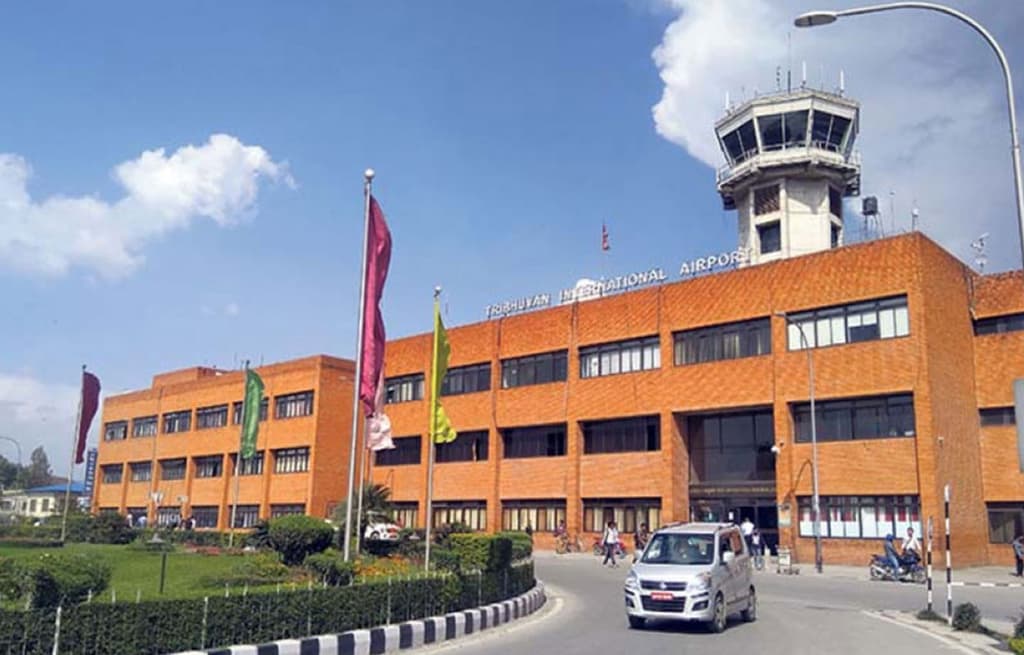
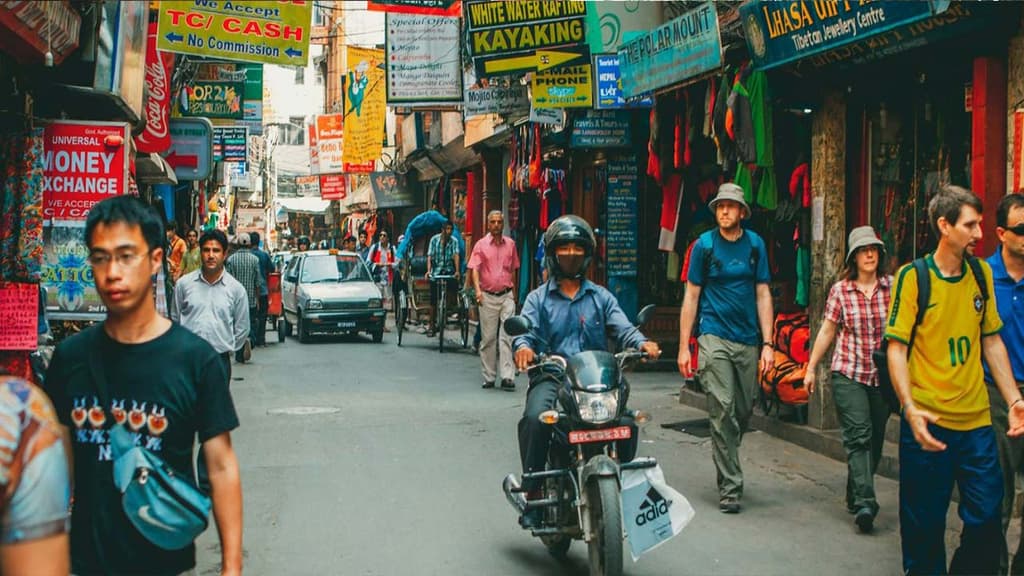
Your Annapurna Circuit Trek begins with your arrival in Kathmandu, the historic capital of the country and the gateway to the Himalayas. After landing at Tribhuvan International Airport (TIA), you will be greeted by our representative and transferred to your hotel. The drive into the city offers a first glimpse of Nepal's vibrant atmosphere, where ancient temples, bustling markets, colorful prayer flags, and busy streets blend together. After checking in at the hotel, you can rest to get over the jetlag and explore nearby areas in the evening.
We will also conduct a briefing session in the evening to discuss the route, trail conditions, and final preparation for the days ahead in the Himalayas. This day marks the beginning of an adventure that will take you from the lush river valleys and traditional mountain villages to the high alpine landscapes of the Annapurna region.
About Kathmandu
Kathmandu is the starting point of the Annapurna Circuit Trek, where you complete your permits, arrange trekking equipment, and prepare for the journey into the Annapurna region. The capital is home to UNESCO World Heritage Sites such as Pashupatinath, Boudhanath, Swayambhunath, and Kathmandu Durbar Square, reflecting Nepal's rich Hindu and Buddhist heritage. Most itineraries include a brief stay before the drive toward Syange, passing through Besisahar and the scenic Marsyangdi Valley. Kathmandu also provides an opportunity to meet your trekking guide, check essential gear, and make final preparations before leaving the urban landscape for the river valleys, terraced hillsides, and Himalayan settlements ahead.
Max. Elevation:1400
Duration:20 minutes
Day 02
Drive from Kathmandu to Syange (1,080m/ 3,543ft) via Besisahar (760m/ 2,493ft)
After breakfast, you leave Kathmandu Valley behind and begin the scenic drive toward Besisahar, the traditional gateway to the Annapurna Circuit. The drive follows the Prithvi Highway, winding through the Nepali countryside alongside the Trishuli River. You will pass the terraced hillsides, small roadside settlements, and fertile agricultural valleys along the way. As your driving journey continues westward through towns such as Mugling and Dumre, the urban landscape gradually starts making way for the quieter rural scenery.
The road eventually turns north toward the Lamjung region, where the Marsyangdi River valley begins to unfold. You will witness the traditional villages perched on hillsides, patchworks of rice terraces, and distant mountain peaks that provide a glimpse of the landscapes that will accompany you throughout the trek. By afternoon, you arrive in Besisahar, a lively town situated along the banks of the Marsyangdi River. As your destination is Syange, the journey continues deeper into the mountain following the river.
Finally, you will arrive at Syange Village, a small riverside settlement that is popular for its dramatic surroundings and waterfall cascading down the cliffs above the village. This beautiful village provides the first taste of adventure that lies ahead.
About Syange
Syange is a small riverside settlement in the lower Marsyangdi Valley and a common starting point for the walking section of the Annapurna Circuit, particularly on itineraries using road transport from Kathmandu. The drive generally takes 7 to 9 hours, passing through Besisahar and following the winding Marsyangdi River corridor. Surrounded by green hills, terraced farmland, and waterfalls, Syange offers a warm, subtropical introduction to the trekking region. Its location marks the transition from the road-accessible lower valley toward the traditional mountain villages farther north. Basic teahouses and local lodges provide accommodation before the trail continues through Jagat and Tal toward Dharapani, gradually entering narrower gorges and more rugged Himalayan terrain.
Max. Elevation:1080
Duration:7 to 9 hours
Distance:200km
Day 03
Trek from Syange to Dharapani (1,860m/ 6,102ft)
You will begin your trek officially from Syange, following the trail beside the Marsyangdi River. As you leave the village behind, the scenery starts to get more rugged and dramatic. You will be accompanied by steep cliffs, cascading waterfalls, and forest hillsides for much part of the day as you gradually gain altitude. After crossing a series of suspension bridges and stone staircases, you arrive at Jagat. This is a charming village with traditional stone houses, terraced farmland, and narrow village lanes.
Beyond Jagat, the trail continues through forests and riverside sections toward Chamje Village before entering a narrower section of the valley. As you move higher, the landscapes become increasingly impressive, and you will be surrounded by towering rock walls, waterfalls, and views of the rushing Marsyangdi River far below. A particularly memorable highlight of the day is Tal, which is one of the most picturesque villages of the lower Annapurna Circuit trail. From here, you will pass Karte and several other small settlements before reaching Dharapani.
This high altitude settlement is marked by prayer flags, traditional stone architecture, stronger Buddhist influence and it also serves as a major junction point between the Annapurna Circuit and Manaslu Circuit trekking regions.
About Dharapani
Dharapani is an important mountain settlement at the junction of the Annapurna Circuit and Manaslu trekking routes, situated along the Marsyangdi River. Reached after approximately 5 to 6 hours of trekking from Syange, the trail passes through Jagat, Chamje, and Tal, where waterfalls, suspension bridges, and steep valley walls shape the journey. Dharapani is a significant checkpoint for trekkers entering the Annapurna Conservation Area and serves as a cultural transition between the lower Gurung-influenced villages and the Tibetan-influenced settlements farther north. Its traditional stone houses, prayer flags, teahouses, and local lodges make it a convenient overnight stop before continuing toward Bagarchhap and Chame. The village also provides an important connection between the Manaslu and Annapurna regions.
Max. Elevation:1860
Duration:5 to 6 hours
Distance:15.4km
Day 04
Dharapani to Chame (2,670m/ 8,759ft) trekking
Leaving Dharapani behind, you will continue moving forward with the Annapurna Circuit Trek Nepal. The trail now enters a landscape that feels increasingly alpine as you head deeper into Manang District. The route climbs gradually through pine and fir forests while the Marshyangdi River continues to rush to the valley below. The first village you will encounter on this day’s trail is Bagarchhap, which is known for its traditional stone houses and strong Tibetan Buddhist influence.
Beyond Bagarchhap, the trail continues toward Danaque Village, passing through forests and open sections of hillside. A steady climb up ahead leads you to Timang, one of the finest viewpoints on this section of the trek. On a clear day, you can enjoy the magnificent views of Manaslu and neighboring peaks dominating the northern skyline from here. From Timang, the route descends through beautiful pine forests and takes you across Thanchowk and Koto Villages, the points that serve as the gateway to the remote Nar Phu Valley.
During the final section, you will follow the Marshyangdi River toward Chame, the administrative center of Manang District. After your arrival in Chame, you will gain your first real sense of being surrounded by the high Himalayas.
About Chame
Chame is the administrative headquarters of Manang District and one of the principal settlements along the Annapurna Circuit, positioned beside the Marsyangdi River beneath the impressive Lamjung Himal. Located approximately 16 km from Dharapani, the trek generally takes 5 to 6 hours through Bagarchhap, Danaque, Timang, and Koto, passing pine forests, traditional villages, and increasingly dramatic mountain scenery. Chame is known for its natural hot springs near the river, traditional architecture, and panoramic views of Lamjung Himal and Annapurna II. As one of the more developed settlements on the route, it offers teahouses, shops, bakeries, and essential trekking facilities. Chame also marks the approach toward the drier, more rugged landscapes of the Manang Valley, making it an important resting point before continuing to Upper Pisang.
Max. Elevation:2670
Duration:5 to 6 hours
Distance:16 km
Day 05
Chame to Pisang (3,200m/ 10,498ft)
The trek on this day of the Annapurna Circuit Trek itinerary marks a noticeable transition in both scenery and altitude as you continue walking deeper into the Upper Marsyandi Valley. Shortly after leaving Chame, the trail passes through a beautiful stretch of pine forest before reaching Bhratang Village. It is a small settlement known for its apple orchards and agricultural farms. Beyond Bhratang, the valley narrows dramatically as the route enters a rugged section between towering rock walls.
One of the day's most impressive highlights is crossing a suspension bridge beneath the enormous Paungda Danda. This is a massive curved cliff that rises nearly 1,500 meters above the valley floor and dominates the landscape. As you continue to follow the trail that gradually ascends, the scenery starts to change. The lush greenery of the lower valley slowly gives way to a drier and more open environment that reflects the rain-shadow influence of the Himalayas. The final stretch of this day’s trek leads you through broad alpine terrain to Pisang. As you approach the village, you will be greeted by the stunning views of Annapurna, Gangapurna, Pisang Peak, and Tilicho Peak.
Pisang is divided into Lower Pisang and Upper Pisang. This beautiful high-altitude region of the Annapurna region sits beneath the towering cliffs and offers a remarkable introduction to the high-altitude landscapes.
About Pisang
Pisang is a traditional mountain village in the Manang Valley, divided into Lower Pisang and Upper Pisang, with the latter offering spectacular views of Annapurna II, Annapurna IV, and Pisang Peak. Located approximately 14 km from Chame, the trek generally takes 5 to 6 hours through pine forests, rocky trails, and the villages of Bhratang and Dhukur Pokhari. Upper Pisang is particularly known for its ancient Buddhist monastery, traditional stone houses, and elevated position overlooking the valley. Trekkers following the upper route toward Ghyaru and Ngawal experience some of the finest mountain panoramas on the Annapurna Circuit, while the lower route follows a more direct path toward Manang. Pisang is also an important transition point where the landscape becomes increasingly dry and influenced by Tibetan culture.
Max. Elevation:3200
Duration:5 to 6 hours
Distance:14km
Day 06
Pisang to Manang (3,519m/ 11,545ft)
This day’s adventure in your Annapurna Circuit Trek is considered one of the most scenic parts of the journey. After leaving Pisang behind, the route enters the heart of the Manang Valley. In this part, you will witness the ancient villages, Buddhist culture, and spectacular mountain scenery. The trail then gradually climbs toward Ghyaru Village, a traditional settlement perched high above the valley. The stone houses, prayer flags, and centuries-old chortens of Ghyaru give it a distinctly Himalayan atmosphere.
Continuing onward, the route takes you high above the valley floor toward Ngawal. This is another beautiful village that is known for its traditional architecture and panoramic mountain views. From here, the trail follows a more gradual path across open hillsides and alpine terrain. Along the way, you will be able to enjoy the uninterrupted views of Annapurna, Gangapurna, and Tilicho Peak. After descending from Ngawal, you will then pass through Braga Village, one of the most historic settlements in the region. The village is famous for Braga Monastery, an ancient Buddhist monastery over 500 years old, perched on a hillside overlooking the valley.
A short walk from here brings you to Manang, the largest settlement in the region and an important acclimatization stop before heading toward higher elevations. Manang is surrounded by towering peaks and is set beneath the dramatic north faces of the Annapurna range. This high-altitude settlement offers some of the finest mountain scenery found anywhere along the circuit.
About Manang
Manang is the principal settlement of the upper Marsyangdi Valley and one of the most significant acclimatization stops on the Annapurna Circuit. Situated beneath Gangapurna and Annapurna III, the village is reached after approximately 5 to 6 hours from Pisang via either the scenic upper route through Ghyaru and Ngawal or the lower trail through Humde and Mungji. Manang is known for its traditional stone houses, ancient monasteries, prayer flags, and strong Tibetan cultural influence. Most itineraries include an additional night here, allowing trekkers to adjust to the altitude before ascending toward Thorong La Pass. Popular acclimatization excursions include Gangapurna Lake, the Himalayan Rescue Association's altitude information center, and hikes toward Ice Lake (approximately 4,620 meters), offering impressive views of the Annapurna range and surrounding glacial landscapes.
Max. Elevation:3519
Duration:5 to 6 hours
Distance:16km
Day 07
Rest and acclimatization at Manang
This day of your Annapurna Circuit Trek itinerary is dedicated to acclimatization. The rest and stop here is an essential part of safely preparing for the high elevation that lies ahead. Rather than stay idle, you will spend the day exploring the hills surrounding Manang while allowing your body to gradually adapt to the thinner mountain air. One of the most popular acclimatization hikes on this day is to Gangapurna Lake. It is a striking turquoise lake formed by glacial meltwater beneath Gangapurna Glacier. This hiking destination offers excellent views of the surrounding mountains and a valuable opportunity to gain elevation before returning to sleep at a lower altitude.
If you are looking for a longer excursion, you can also hike to Ice Lake (known as Kicho Tal). This lake is situated high above the valley, and from here you can catch the breathtaking views of Annapurna III, Gangapurna, Tilicho Peak, Chulu East, and numerous surrounding peaks. As you gain high elevation during the hike, it supports the acclimatization process before you take on the Thorong La Pass. After returning to Manang, you can spend the remainder of the day exploring the village, visiting local bakeries and cafes, or just simply soaking in the remarkable mountain scenery.
Max. Elevation:3519
Day 08
Manang to Yak Kharka (4,020m/ 13,188ft)
After leaving Manang, the trekking trail enters a more rugged and sparsely populated landscape. You will gradually make your way toward the high-altitude grazing grounds above the valley. As you start gaining more altitude, the progress becomes slower, and altitude takes priority over distance. The vegetation becomes noticeably thinner as the forest disappears and alpine shrubs start dominating the terrain. However, the views of Annapurna, Gangapurna, Chulu, and Tilicho Peaks get increasingly expansive. You will then pass through Tenki Village and move along the trail of the upper valley toward Gunsang.
From here, you can catch the views that stretch across the entire Manang Valley. This point provides a unique perspective on the terrain you have spent the previous days traversing. Beyond Gunsang, the trail continues to stretch across the open alpine slopes, where herds of yaks can be spotted grazing. As you climb higher, the environment feels increasingly remote as the trail now has a stronger sense of entering the high Himalayan wilderness. Then, after a short, gradual ascent during the final stretch, you will arrive at Yak Kharka.
This is a small seasonal settlement that is used as a grazing area for livestock during the warmer months. Yak Kharka is surrounded by barren hills, snow-capped peaks, and wide mountain vistas. It also serves as an important overnight stop before continuing toward Thorong Phedi and crossing Thorong La Pass.
About Yak Kharka
Yak Kharka is a small high-altitude settlement above Manang, surrounded by open grazing pastures, barren hillsides, and dramatic Himalayan scenery. Located approximately 11 km from Manang, the trek generally takes 4 to 5 hours through Gunsang, following a gradual ascent along the upper Marsyangdi Valley. The name refers to the traditional grazing grounds used for yaks and other livestock, reflecting the pastoral lifestyle of the region's mountain communities. As vegetation becomes sparse and the air noticeably thinner, Yak Kharka marks an important transition into the high-altitude section of the Annapurna Circuit. Basic teahouses provide accommodation and meals, while the relatively short trekking day allows time for rest and altitude adjustment before continuing toward Thorong Phedi and Thorong High Camp.
Max. Elevation:4020
Duration:4 to 5 hours
Distance:11km
Day 09
Trek from Yak Kharka to Thorong High Camp (4,540m/ 14,895ft)
This day’s trek of your Annapurna Circuit Trek itinerary is short in distance, but it is extremely important in terms of altitude gain. After leaving Yak Kharka behind, you will follow the trail that gradually ascends through a barren alpine landscape where vegetation becomes increasingly sparse. The route first leads to Ledar, a small cluster of teahouses that is situated above the grazing pastures of Yak Kharka. Beyond this stop, the trekking trail takes you across the steep mountain slopes while following the upper reaches of the Jarsang Khola Valley. As you keep pushing higher, the terrain feels noticeably more rugged and remote. The rocky cliffs, loose scree sections, and sweeping views of the surrounding high Himalayas dominate the landscape.
After crossing a suspension bridge during the final leg, you will arrive at Thorong Phedi. It is nestled beneath the immense slopes leading to Thorong La. Thorong Phedi serves as the traditional base camp for trekkers preparing for the pass. After a short rest, you will continue walking steeply high above the valley toward Thorong High Camp. Although the ascent is physically demanding due to the altitude, the reward comes in the form of increasingly expansive mountain views. At this high camp, you will be surrounded by the rugged peaks, windswept slopes, and a distinctly high-altitude environment.
You will spend the remainder of the afternoon resting, hydrating, and preparing for the most challenging and rewarding day of the entire Annapurna Circuit Trek.
About Thorong Phedi/ High Camp
Thorong High Camp is the highest overnight settlement on the standard Annapurna Circuit route, positioned at approximately 4,540 meters beneath the slopes of Thorong La Pass. Reached from Yak Kharka through Ledar and Thorong Phedi, the trek generally takes 4 to 5 hours, involving a steady climb through increasingly rugged alpine terrain. The camp provides basic lodge accommodation and a strategic resting point for trekkers preparing to cross Thorong La, one of the highest trekking passes in the Himalayas. Due to the altitude, cold temperatures, and limited facilities, trekkers generally arrive early, stay hydrated, and prepare their equipment for a pre-dawn departure. Its elevated location reduces the distance required for the following day's ascent, although spending the night here requires proper acclimatization and careful attention to altitude-related symptoms.
Max. Elevation:4540
Duration:4 to 5 hours
Distance:7.3km
Day 10
Thorong High Camp to Muktinath (3,710m/ 12,171ft) via Thorong La Pass (5,416m/ 17,769ft)
Today is the defining highlight of the Annapurna Circuit Trek itinerary 16 days, as you cross Thorong La Pass, the highest and most celebrated point of the entire journey. You will start your adventure early, pre-dawn, which allows you to reach the pass before stronger afternoon winds develop. Your climb begins under the glow of headlamps as the trail steadily takes you across rocky slopes and high alpine terrain. As daylight gradually spreads across the mountains, you will be able to relish the spectacular views in every direction.
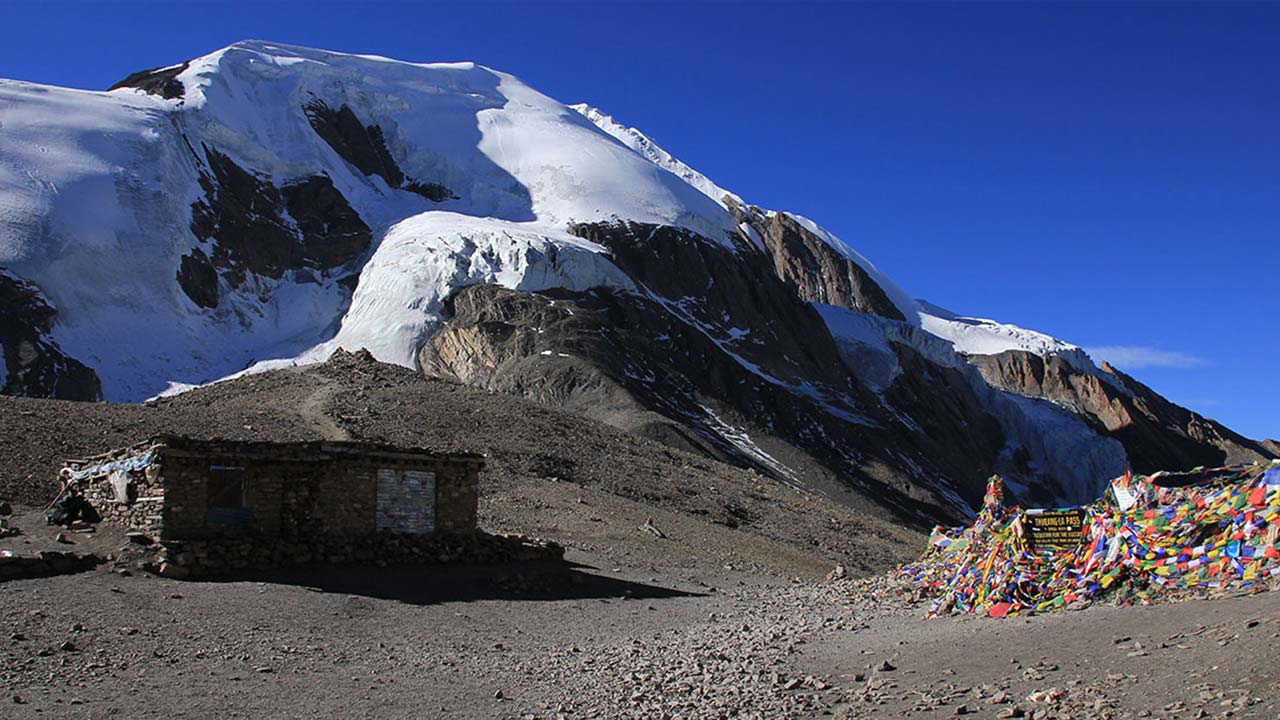
After several hours of climbing, the colorful prayer flags signal your arrival at Thorong La Pass. Standing at an elevation of 5,416 meters (17,769 feet), this iconic Himalayan pass in Nepal offers stunning views of Annapurna I, Annapurna II, Annapurna III, Annapurna IV, Dhaulagiri, Gangapurna, Tilicho Peak, Chulu Peak, and Khatung Kang. After celebrating at the pass, you will begin a long descent toward the Kali Gandaki Valley. The change in scenery is immediate and striking as the lush valleys of Manang are replaced by barren hillside and eroded cliffs of the Mustang region. As you continue descending, the sacred settlement of Muktinath gradually comes into view.
Arriving at Muktinath marks a major achievement on this circuit trekking route. This sacred temple is revered by both Hindus and Buddhist as it is home to Muktinath Temple, one of Nepal’s most important pilgrimage sites. After the demanding crossing of Thorong La, the comfortable lodges and spiritual atmosphere of Muktinath provide a well-earned place to rest and reflect on one of the greatest accomplishments of the Annapurna Circuit Trek Nepal.
About Thorong La Pass
Thorong La Pass is the highest point of the Annapurna Circuit and one of the most significant high-altitude crossings in the Nepal Himalayas. Rising to 5,416 meters, the pass connects the Manang Valley with the Mustang region and separates the upper Marsyangdi and Kali Gandaki drainage systems. The approach from Thorong High Camp involves a steep ascent across rocky and often snow-covered terrain, with cold temperatures, strong winds, and thin air adding to the challenge. Prayer flags and traditional cairns mark the pass, while the surrounding landscape opens toward dramatic views of Thorong Peak, Yakawa Kang, and the wider Annapurna and Mustang ranges. Beyond the pass, the route descends toward Muktinath, where the landscape changes rapidly from high alpine terrain to the dry, Tibetan-influenced valleys of Mustang.
About Muktinath
Muktinath is a sacred pilgrimage destination in the Mustang region, revered by both Hindus and Buddhists for its spiritual significance and ancient religious traditions. Located approximately 16.4 km from Thorong Phedi, the route descends through Chabarbu and the dry, windswept landscapes of Mustang before reaching the temple complex. The main attraction is Muktinath Temple, featuring 108 water spouts and an eternal flame known as Jwala Mai, where natural gas burns alongside water. For Hindus, the site is associated with Lord Vishnu, while Tibetan Buddhists regard it as an important sacred place connected with Guru Rinpoche. Muktinath also marks a dramatic landscape transition from the high alpine terrain of Thorong La to the arid, Tibetan-influenced valleys of Lower Mustang.
Max. Elevation:3710
Duration:7 to 9 hours
Distance:16.4km
Day 11
Drive from Muktinath to Tatopani (1,190m/ 3,904ft) via Jomsom Bazaar (2,710m/ 8,891ft)
After spending days in the high mountains, this day’s journey introduces you to an entirely different side of the Annapurna region. Leaving Muktinath behind, the route takes you down the dramatic landscapes of the Lower Mustang. The colorful cliffs, windswept valleys, and traditional settlements along this stretch reflect the unique culture of Nepal’s trans-Himalayan frontier. The drive passes through Ranipauwa before reaching Kagbeni, one of the oldest and most fascinating villages in the region. This village, with its stone alleys, ancient mud-brick houses, and centuries-old monasteries, serves as the gateway to Upper Mustang.
The drive continues south, following the broad Kali Gandaki Valley toward Jomsom Bazaar, the administrative and commercial center of the Mustang district. Beyond the Jomsom, the landscapes start to soften as the road enters lush lower valleys. You will cross Marpha, which is famous for its apple orchards and locally produced apple products. The driving route also takes you across other remarkable settlements of Tukuche, Ghasa, and Dana. By afternoon, you will arrive at Tatopani, a riverside village that is home to natural hot springs said to have healing properties. This destination with hot springs offers a perfect opportunity to relax tired muscles after the demanding crossing of Thorong La Pass.
About Tatopani
Tatopani is a popular riverside settlement in the Kali Gandaki Valley, best known for its natural hot springs and relaxing atmosphere after several days of high-altitude trekking. This village lies beside the Kali Gandaki River and is surrounded by green hills and terraced farmland. Its name means "hot water" in Nepali, referring to the natural geothermal springs where trekkers can soak in warm, mineral-rich water. On the classic Annapurna Circuit, the journey from Muktinath to Tatopani usually involves descending through Kagbeni, Jomsom, Marpha, and Tukuche, with transport sometimes used along the road-accessible sections. Tatopani offers a noticeable change in climate and vegetation, providing a refreshing break before continuing toward Ghorepani through the lower Kali Gandaki and Ghara valleys.
Max. Elevation:1190
Duration:4 to 5 hours
Distance:113km
Day 12
Tatopani to Ghorepani (2,874m/ 9,429ft) trekking
After successfully completing the Annapurna Circuit Trek route, the trail from this day onward leads you to another major highlight of the Annapurna region. Leaving the warm subtropical environment of Tatopani behind, you will traverse the middle hills of lower Annapurna. The trekking route transits from river valleys and agricultural terraces to dense rhododendron forests and traditional mountain villages. As you gradually start gaining altitude, the views across the Kali Gandaki Valley become increasingly impressive.
You will walk across the villages like Sikha and Chitre, and the route gradually enters the extensive forest of rhododendron, oak, and pine. During the spring season, this stretch is covered with shades of red, pink, and white, creating a colorful atmosphere that feels surreal. The final climb on this day’s route continues across the canopy of the towering trees before reaching Ghorepani Village. This beautiful settlement is perched high on the mountain ridge; it traditional severed as the resting point for traders and trekkers traveling between the Kali Gandaki Valley and Annapurna foothills.
At this village, you will be surrounded by forest, and the ridge also overlooks some of the highest peaks in the region. Ghorepani provides a beautiful setting for the night, and it also serves as the gateway to Poon Hill, the legendary viewpoint of the lower Annapurna region.
About Ghorepani
Ghorepani is a traditional Magar village and an important trekking junction connecting the Annapurna Circuit with the famous Poon Hill viewpoint. Located along the forested ridges above the Kali Gandaki Valley, the settlement is reached from Tatopani through villages such as Ghara, Shikha, and Chitre, involving a sustained uphill climb through terraced farmland and rhododendron forests. Ghorepani is known for its welcoming teahouses, traditional mountain hospitality, and spectacular views of the Annapurna and Dhaulagiri ranges. Its name is traditionally associated with the resting place for horses, reflecting its historical role along old mountain trade and travel routes. Most trekkers spend a night here before making the early-morning ascent to Poon Hill, where sunrise illuminates some of the most recognizable peaks in western Nepal.
Max. Elevation:2874
Duration:6 to 7 hours
Distance:17 km
Day 13
Morning hike to Poon Hill (3,210m/ 10,531ft) and trek down to Tikhedhunga (1,540m/ 5052ft)
Your journey on this day begins before sunrise with a short but rewarding hike to Poon Hill. Leaving Ghorepani before dawn breaks, you will climb steadily through the forest's slopes to reach the summit viewpoint. As the first light of the day begins to illuminate the Himalayas, the extraordinary panorama starts to unfold across some of the highest mountains in the Himalayas. From this popular viewpoint, you will be able to catch the breathtaking views of the surrounding peaks such as Annapurna I, Dhaulagiri, Machhapuchhre, Nilgiri, Hiunchuli, Tukuch Peak, Lamjung Himal, and other adjacent peaks. Poon Hill offers one of the most iconic mountain sunrises in Nepal and serves as a fitting reward after the challenges of the Annapurna Circuit.
After the hike, you will return to Ghorepani for breakfast, and then you will begin your descent toward Tikhedhunga. This descending trail leads you across Banthanti before continuing downhill toward Nangethanti. As elevation starts to decrease, the forest becomes dense, and the air is noticeably warmer. The final section involves a long descent toward Tikhedhunga. By your arrival at this point, the traditional stone houses, terraced hillside, and flowing stream once again become the prominent features of the landscape.
About Poon Hill
Poon Hill is one of Nepal's most celebrated Himalayan viewpoints, offering a panoramic sunrise over the Annapurna and Dhaulagiri mountain ranges. Situated approximately 1.5 hours uphill from Ghorepani, the viewpoint stands at 3,210 meters and provides sweeping views of Dhaulagiri, Annapurna I, Annapurna South, Machhapuchhre, Nilgiri, and surrounding peaks. Trekkers generally begin before dawn to reach the summit as the first sunlight illuminates the snow-covered mountains in shades of gold and orange. The viewpoint is named after the nearby Poon community and has become a defining highlight of the Ghorepani trekking route. Its accessible elevation, relatively short ascent, and exceptional mountain panorama make it a memorable experience before descending toward Tadapani, Ghandruk, or continuing along the extended Annapurna Circuit itinerary.
About Tikhedhunga
Tikhedhunga is a small hillside settlement in the lower Annapurna region and a traditional overnight stop on trekking routes connecting Ghorepani with the Pokhara Valley. Located beside the Bhurungdi Khola, the village is reached after descending from Ghorepani through Ulleri, passing terraced hillsides, waterfalls, and forested trails. Tikhedhunga sits at approximately 1,540 meters and provides a noticeable return to warmer, greener landscapes after the higher elevations around Ghorepani and Poon Hill. Its basic teahouses and riverside setting make it a convenient resting point before continuing toward Birethanti and Nayapul, where the walking section traditionally ends. The famous stone staircases between Ulleri and Tikhedhunga are also one of the defining features of this part of the Annapurna trekking route.
Max. Elevation:1540
Duration:5 hours
Distance:1.5 km
Day 14
Trek to Naypul (1,070m/ 3,510ft) and drive to Pokhara (822m/ 2,696ft)
Day 14 of your Annapurna Circuit Trek itinerary marks the final day of your trek. After breakfast at Tikhedhunga, you will continue descending downhill through the lower foothills of the Annapurna region toward Nayapul. The trekking trail follows a scenic route through traditional villages, terraced farmlands, and subtropical landscapes. This scenery contrasts sharply with the high-altitude environment that you experienced earlier in the trek. The trail also takes you across the beautiful village of Ulleri, a hillside settlement that is known for its stone-paved pathways and impressive views of the surrounding valleys.
You will continue walking downward across the lush woodlands and the terrace fields before reaching Banthanti and Hile. The trail stretching further ahead from here takes you to the charming riverside village of Birethanti, which is at the confluence of Modi Khola and Bhurungdi Khola. Birethanti serves as an important gateway to the Annapurna Conservation Area and is one of the last traditional mountain settlements before returning to the road access point. A short walk from here brings you to Nayapul, where your trek will officially end.
From Nayapul, you will enjoy a scenic drive across the valleys take you to the lakeside city of Pokhara. Along the drive, the mountains gradually recede into the distance, and the road winds through beautiful roadside villages, farmland, and lakeside scenery before you finally reach Pokhara. After spending days in remote mountain valleys, Pokhara offers a completely different atmosphere. The relaxed lakeside setting, comfortable hotels, and views of Annapurna reflected on the surface of Phewa Lake provide a memorable conclusion to the Annapurna Circuit Trek Nepal.
About Pokhara
Pokhara is the main tourism hub and a natural finishing point for the Annapurna Circuit, offering a dramatic change from high mountain trails to lakeside city life. After completing the trek and reaching the lower Kali Gandaki or Marsyangdi Valley, trekkers generally continue by road toward Pokhara, depending on the chosen itinerary and transport point. The city is famous for Phewa Lake, with views of Machhapuchhre and the Annapurna range on clear days, while attractions such as Tal Barahi Temple, World Peace Pagoda, Davis Falls, and Gupteshwor Mahadev Cave provide opportunities to explore after the trek. Lakeside also offers a wide choice of hotels, restaurants, cafes, trekking shops, and wellness facilities, making Pokhara a practical place to rest and recover after completing the Annapurna Circuit.
Max. Elevation:822
Duration:5 hours(trek) and 1.5 to 2 hours(drive)
Distance:9.8km(trek) 44km(drive)
Day 15
Drive or fly back to Kathmandu (1,400m/ 4,593ft) and hotel transfer
After enjoying breakfast in Pokhara, you will return to Kathmandu. For this return, you have two options: you can take either a scenic flight (extra cost) back to Kathmandu or travel in a comfortable tourist bus. For those choosing to fly, the short journey offers one final aerial perspective of the Himalayan landscape. On clear days, you will be able to enjoy the view of the snow-covered peaks that stretch across the northern horizon while the green hills and valleys of central Nepal unfold below. For those traveling by road, you will follow the Prithvi Highway alongside the Trishuli River, passing across rural settlements, terraced hillsides, and bustling market towns.
Although the drive is longer than the flight, it provides another opportunity to appreciate the diverse landscapes that characterize Nepal. After arriving in Kathmandu, you will be transferred back to your hotel. You can use the remainder of the day to relax, explore nearby attractions, purchase souvenirs, or enjoy a traditional meal to wrap up the journey perfectly.
Max. Elevation:1400
Duration:6 to 8 hours
Distance:200km
Day 16
International departure from Kathmandu to home country
This day marks the conclusion of your Annapurna Circuit Trek Nepal. Depending on your flight schedule, you may have some free time to enjoy a final walk through Kathmandu, explore nearby markets, or simply relax before departure. You will be transferred to the Tribhuvan International Airport (TIA) at the appropriate time by our representative. As you leave Nepal behind, you carry memories of the ancient mountain villages, dramatic river valleys, high Himalayan passes, sacred pilgrimage sites, and some of the most spectacular mountain scenery found anywhere in the world.
Although the trek comes to an end today, the experiences and memories created along the trail will remain with you long after this departure. Thank you for choosing Eco Holidays Nepal for the Annapurna Trek 16 days adventure. We hope to see you again for your next Himalayan endeavour.
Max. Elevation:1400
Duration:20 minutes
If the provided schedule isn't suitable for you, we can create personalized travel arrangements.
The Annapurna Circuit Trek is considered a moderate to challenging Himalayan trek. Although this circuit route does not require technical climbing skills, it demands a good level of physical fitness, stamina, and mental resilience. Over the course of the journey, you will spend multiple days walking through diverse terrain, and you need to walk around 5 to 7 hours per day on average as you slowly gain altitude. One of the factors that makes the Annapurna Circuit Trek route more demanding than many shorter treks is its length and elevation range. The route begins in the lush lower valleys of the Marshyangdi River before gradually climbing to barren alpine landscapes and high mountain terrain. This constant transition means your body is not only adapting to longer walking days but also to changing elevations and environmental conditions.
Altitude becomes the primary challenge once you move beyond Manang (3,519m/ 11,545ft). Although the itinerary includes an acclimatization day, the air becomes noticeably thinner as you continue toward Yak Kharka (4,020m/ 13,188ft) and Thorong High Camp (4,540m/ 14,895ft). The most demanding day of the trek is undoubtedly the crossing of Thorong La Pass (5,416m/ 17,769ft), one of the highest trekking passes in the world. The combination of altitude, distance, and weather exposure can make this part physically and mentally challenging. Similarly, the trail conditions add another layer of difficulty. Lower sections of the route feature stone staircases, suspension bridges, forest trails, and uneven pathways.
As you traverse the higher regions, the terrain becomes rockier and more exposed, with occasional snow or icy conditions possible near Thorong La depending on the season. The weather can also vary significantly throughout the trek. Warm temperatures in the lower valleys can quickly give way to freezing mornings and strong winds at higher elevations. Despite these challenges, the Annapurna Circuit Trek remains achievable for most people who prepare properly. Although prior trekking experience is helpful, it is not a mandatory requirement. Trekkers with a reasonable level of fitness, a good, consistent walking pace, and adequate preparation can successfully complete the route.
The secret to mastering this circuit route is to focus on endurance rather than speed. If you allow your body sufficient time to adapt to altitude and approach each day with realistic expectations, you can easily complete this journey.
Best Season for Annapurna Circuit Trekking
Choosing the right season for the Annapurna Circuit Trek can significantly influence your overall experience. This Himalayan journey takes you across a wide range of elevations and landscapes, from the subtropical valleys of the Marshyangdi River to the high-altitude environment of Thorong La Pass. Thus, weather conditions vary considerably throughout the route and significantly impact your experience based on the season of your choice. While this trek can be completed in most months of the year, spring (March to May) and autumn (September to November) are widely regarded as the best seasons.
Spring (March to May)
Spring is one of the most popular times to participate in the Annapurna Circuit Trek. As winter gradually fades, the lower sections of the trail come alive with blooming rhododendron forests, green hillsides, and comfortable trekking temperatures. You will be able to enjoy relatively mild daytime conditions, which make the long trekking days more enjoyable. One of the major advantages of the spring season is the combination of pleasant weather and excellent mountain visibility. The Annapurna range, Gangapurna, Tilicho Peak, Machhapuchhre, and other adjacent peaks are clearly visible under clear morning skies. Spring also offers a vibrant atmosphere along the route, as teahouses reopen after winter and trekking activity gradually increases.
Daytime Temperatures: 10°C to 22°C Nighttime Temperatures: 5°C to -10°C
Autumn (September to November)
Autumn is often considered the ideal season for the Annapurna Circuit Trek. After the monsoon, the skies become exceptionally clear, the air feels crisp, and visibility reaches its best levels. The mountain panoramas during this period are often spectacular due to clear weather conditions. Likewise, the trails are generally dry and stable, making trekking conditions more predictable. Temperatures also remain comfortable during the day, while it can get colder at higher elevations during the night. Another reason many trekkers favor autumn is the reliability of the weather. Although occasional storms can occur, this fall season typically offers the most consistent conditions for completing the circuit without major weather-related disruptions.
Daytime Temperatures: 8°C to 20°C Nighttime Temperatures: 3°C to -12°C
Winter (December to February)
The winter season in Nepal transforms the Annapurna Circuit into a quieter and more challenging adventure. The trails become significantly less crowded, offering a sense of solitude that many experienced trekkers appreciate. The clear skies and crisp air often open up some of the most stunning Himalayan vistas throughout the year. However, the challenges also increase substantially as temperatures drop. Higher sections of the trek can experience heavy snowfall and extreme cold. Depending on weather conditions, the pass may become difficult or unsafe to cross. Still, trekkers prepared with proper winter gear and flexibility in their itinerary, winter can be an incredibly rewarding season. The landscapes often appear more dramatic beneath fresh snow, and the quieter trails provide a very different Annapurna Circuit experience.
Daytime Temperatures: 2°C to 15°C Nighttime Temperatures: -15°C to -20°C
Monsoon (June to August)
Monsoon is generally the least preferred season for trekking Annapurna Circuit, particularly in the lower sections. Heavy rainfall affects the lower, often creating muddy trails, slippery paths, and an increased risk of landslides. The cloud cover can also obscure mountain views for extended periods. That said, the Annapurna Circuit has a unique advantage compared to many other treks in Nepal. Once you move beyond Manang and enter the rain-shadow regions of Mustang, rainfall becomes significantly less. Areas such as Muktinath, Jomsom, and the upper valleys often remain much drier than the southern slopes of the Himalayas.
The landscape is at its greenest during the monsoon, waterfalls flow at full strength, and forests appear particularly vibrant. However, due to wet lower trails, transportation disruptions, and inconsistent visibility, this season remains better suited for experienced trekkers who are comfortable with changing conditions.
Daytime Temperatures: 15°C to 28°C Nighttime Temperatures: 5°C to 10°C
Packing List
Packing for the Annapurna Circuit Trek requires a thoughtful balance between comfort, practicality, and preparedness. Unlike shorter treks that remain within a relatively consistent climate zone, the Annapurna Circuit Trek takes you through an extraordinary range of environments. During this trek, you will move from the warm river valleys to the cold, windswept landscapes. Because of this dramatic variation in elevation and weather, proper layering becomes far more important. The goal here is to pack efficiently, keep your backpack as light as possible, and ensure you remain comfortable in both warm valley conditions and freezing high-altitude environments.
Clothing
Thermal base layers (top and bottom)
Moisture-wicking trekking shirts
Lightweight fleece or insulated mid-layer
Warm down jacket for higher elevations
Waterproof and windproof jacket
Waterproof trekking pants or rain pants
Comfortable trekking pants
Lightweight shorts (optional for lower elevations)
Warm hat or beanie
Sun hat or trekking cap
Buff or neck gaiter
Lightweight gloves
Insulated gloves for Thorong La Pass
Undergarments and sportswear
Lightweight sleepwear for teahouses
Footwear
Well-broken-in trekking boots with good ankle support
Comfortable sandals or camp shoes
Wool or synthetic trekking socks
Liner socks (optional)
Gaiters (optional during winter or rainy conditions)
Personal Care and Health
Toothbrush and toothpaste
Biodegradable soap and toiletries
Quick-dry towel
Sunscreen with high SPF
Lip balm with UV protection
Hand sanitizer
Wet wipes
Toilet paper and tissues
Personal first-aid kit
Prescription medications
Altitude medication (if advised by your physician)
Blister treatment supplies
Water purification tablets or portable water filter
Small waste bags for personal rubbish
Trekking Gear
Daypack (25 to 35L)
Duffel bag (if using porter service)
Four-season or cold-weather sleeping bag (-10°C to -15°C recommended)
Trekking poles
Reusable water bottles or hydration bladders
Thermos flask for hot drinks at higher elevations
Headlamp with spare batteries
UV-protection sunglasses
Power bank and charging cables
Universal travel adapter
Waterproof backpack cover
Dry bags or packing cubes for organization
Documents and Essentials
Passport and copies of important documents
Travel insurance documents
Annapurna Conservation Area Permit (ACAP)
Passport-sized photographs
Cash in Nepalese Rupees for personal expenses
Notebook or journal (optional)
Board or card games (optional)
Accommodation and Food During Trek
One of the reasons the Annapurna Circuit has remained one of the most popular trekking routes in Nepal is thanks to its excellent teahouse network. Unlike remote expeditions, this trek allows you to stay in mountain lodges throughout the route, making it more comfortable and accessible while still offering an authentic Himalayan experience. At the villages along the circuit route, you will find a wide range of teahouses and lodges. Accommodation is generally simple but comfortable. Most teahouses provide twin-sharing rooms equipped with basic beds, mattresses, pillows, and blankets. In lower villages, facilities tend to be more developed, often offering attached bathrooms, better dining areas, and additional services.
However, as you move higher toward Yak Kharka, Thorong Phedi, and High Camp, accommodation becomes more basic due to the challenges of operating at such elevations. The dining hall is usually the warmest and most social part of the teahouse. Most lodges have a central heating stove in the common area where trekkers gather during the evening to eat, relax, and exchange stories from the trail. Bedrooms, in general, are unheated, which is why a warm sleeping bag is highly recommended. Hot showers can often be found in places such as Chame, Pisang, Manang, and Muktinath, but they usually come with an additional charge. Wi-Fi, charging facilities, and mobile network coverage are also available in many villages, though reliability varies depending on the altitude and region.
Food and Beverage
The food available along the Annapurna Circuit is one of the pleasant surprises for many trekkers. Compared to more remote trekking regions, this route offers a relatively diverse menu thanks to its long-established tourism infrastructure. Meals on this Himalayan route are designed to provide the energy needed for consecutive days of trekking. Menus are generally quite extensive in lower and mid-altitude villages. As you approach higher and remote stretches, options become more limited. But you will still find plenty of nutritious meals suitable for trekking at altitude. Here are the menus that you can expect while trekking Annapurna Circuit.
Typical Breakfast Options:
Tibetan bread with jam, honey, or peanut butter
Toast and bread-based breakfasts
Eggs (fried, boiled, scrambled, or omelette)
Porridge (oats, muesli, or Tibetan-style)
Pancakes (plain, apple, banana, or chocolate)
Chapati or local flatbread
Muesli and cereals
Tea, coffee, or hot chocolate
Lunch and Dinner Options:
Dal Bhat (rice, lentil soup, vegetables, and curry with free refills in many teahouses)
Fried rice (vegetable, egg, or mixed)
Chowmein (stir-fried noodles)
Thukpa (traditional noodle soup)
Pasta and macaroni dishes
Spaghetti with vegetable or cheese sauce
Potato dishes (fried, boiled, curried, or roasted)
Momos (Nepali dumplings)
Vegetable curries
Pizza and burgers (commonly available in larger villages)
Garlic soup, vegetable soup, and noodle soups
Beverages:
Black tea, milk tea, lemon tea, and ginger tea
Herbal teas
Coffee (mostly instant, though brewed coffee is available in some villages)
Hot lemon, honey, and ginger drinks
Hot chocolate
Boiled drinking water
Soft drinks and bottled beverages
Electrolyte drinks and rehydration powders
Limited local alcoholic beverages and beer
Training and Preparation
The Annapurna Circuit Trek is not an expedition that demands technical climbing skills, but it does require a solid level of preparation. Over the course of the trek, you will spend nearly two weeks walking through varied terrain conditions while steadily gaining altitude. Your body will be challenged by long trekking days, changing weather conditions, and thinner air as the journey progresses. So, proper preparation is non-negotiable if you want to experience a memorable and comforting journey. For physical preparation, you should focus primarily on endurance, strength, and consistency. Preparing your body for varied terrain conditions will make the trek significantly more enjoyable. Cardiovascular training is one of the most effective ways to prepare.
Exercises such as hiking, jogging, cycling, swimming, and brisk walking will help you to improve stamina and allow your body to perform efficiently during long trekking days. Likewise, strength training is equally important. Exercises such as squats, lunges, step-ups, calf raises, and core workouts help build the muscles that support you during continuous ascents and descents. One of the best forms of preparation is simply hiking with a backpack. Carrying a loaded daypack during training hikes allows your body to adapt to the demands of trekking while improving balance and overall comfort. For most trekkers, a structured training period of 4 to 8 weeks is usually sufficient.
The objective for the physical preparation is not to become an elite athlete but to build enough endurance so walking for several hours each day feels manageable. Remember, consistency throughout your training matters far more than occasional intense workouts.
Mental Preparation
While physical fitness receives most of the attention, mental preparation is often what determines how enjoyable the Annapurna Circuit ultimately feels. Trekking at altitude requires patience. The circuit route also involves changing weather, basic mountain accommodation, and occasional discomfort that comes with spending extended periods in remote environments. Some days may feel physically demanding, particularly during the pass crossing. While others may require adapting to cold mornings, strong winds, or unexpected trail conditions. Thus, developing a calm and flexible mindset can make these challenges much easier to manage.
Many experienced trekkers focus on maintaining a steady rhythm, breaking longer days into smaller milestones, and concentrating on the immediate section of trail rather than the entire day’s distance. These simple habits help conserve energy and prevent mental fatigue. When physical preparation and mental readiness come together, the Annapurna Circuit becomes a far more rewarding experience.
Necessary Permits
The Annapurna Circuit Trek route takes you across one of Nepal's most important protected mountain regions. So, trekking permits here are mandatory for all visitors. These permits support conservation efforts, trail maintenance, local community development, and visitor management throughout the Annapurna region. To complete the Annapurna Circuit Trek legally, you will need to obtain the following permits:
Permits Necessary for Annapurna Circuit Trek
Annapurna Conservation Area Permit (ACAP)
The Annapurna Conservation Area is Nepal's largest protected conservation region. It covers a vast area that includes villages such as Chame, Pisang, Manang, Muktinath, Tatopani, Ghorepani, and many other settlements along the circuit. This ACAP permit grants you access to this protected area. Unlike restricted trekking regions such as Manaslu, Nar Phu, or Upper Mustang, the Annapurna Circuit does not require a Restricted Area Permit. The route is considerably more accessible, and the permit process is much simpler, making it one of Nepal's most convenient high-altitude trekking adventures from a logistical standpoint.
**Note: Your permits needs are generally handled by your trekking operators. This way you will be able to focus on preparing for the journey rather than worrying about administrative procedures**
Is This Trek Suitable for Beginners?
The Annapurna Circuit Trek can be suitable for beginners, but it should not be underestimated. While the route does not involve technical climbing, mountaineering skills, or the use of specialized equipment, it is still a demanding high-altitude trek that requires good physical fitness and preparation. One of the reasons the Annapurna Circuit is considered beginner-friendly compared to some other Himalayan treks is its gradual ascent profile. The standard itinerary plan typically includes an acclimatization day in Manang, allowing your body time to adjust before moving into higher elevations. The well-established teahouse network, clear trails, and availability of food and accommodation throughout the route also make logistics relatively straightforward.
That said, beginners should be prepared for multiple consecutive days of trekking, often walking 5 to 7 hours daily across varied terrain. The biggest challenge is usually altitude rather than the trail itself. As you move beyond Manang toward Yak Kharka, Thorong Phedi, and eventually Thorong La Pass (5,416m/ 17,769ft), the thinner air can make even moderate climbs feel considerably more demanding. For first-time trekkers, proper preparation is essential. So, building cardiovascular fitness, doing practise hikes, and maintaining a steady pace during the trek can greatly improve the overall experience. Beyond that, choosing a well-planned itinerary that includes adequate acclimatization is also very important.
So, in overall, the Annapurna Circuit is a realistic goal for beginners who are reasonably fit, willing to prepare beforehand, and comfortable spending several days trekking in a mountain environment. With the right mindset and pacing, it can be an excellent introduction to high-altitude trekking in Nepal.
Trek Cost
Trekking Annapurna Circuit is generally considered one of the best-value high-altitude treks in Nepal. The overall cost of this circuit route is lower due to easier logistics, fewer permit requirements, and the extensive teahouse infrastructure available throughout the route. On average, the Annapurna Circuit Trek cost typically range between USD 1,300 and USD 2,000 per person for a fully guided experience. The overall price depends on the itinerary length, group size, season, accommodation standard, transportation choices, and the level of service included in the package. Similarly, the choice between a standard teahouse package and a more comfortable package with upgraded hotels, private rooms, and additional services can noticeably affect the overall pricing.
A typical Annapurna Circuit Trek package generally includes necessary permits, a licensed trekking guide, teahouse accommodation during the trek, three meals per day during trekking days, ground transportation or domestic flights as specified in the itinerary, basic first-aid support and trek management, and government taxes and service charges. If you want to go for the luxury and private trek options, they also include a higher level of accommodation, private transportation, additional support staff, airport transfer, and so on. While going for private or luxury options increases the overall cost, they often provide greater comfort and convenience throughout the journey.
To sum it up, the Annapurna Circuit offers an excellent balance between affordability and experience. Considering the diversity of landscapes, cultural encounters, high-altitude adventure, and the crossing of Thorong La Pass, many trekkers view it as one of the most rewarding trekking experiences available in Nepal for its price range.
Travel Visa
Before embarking on the iconic circuit trek route, all international travelers must ensure they have a valid Nepal Tourist Visa. Fortunately, Nepal has one of the more straightforward visa processes in South Asia. So, it is relatively easy for trekkers to enter the country and begin their adventure. If you are an Indian citizen, you do not need a tourist visa to enter Nepal. Most other nationalities can either obtain a visa in advance through a Nepali embassy or apply for a visa on arrival at Tribhuvan International Airport (TIA) in Kathmandu.
The visa-on-arrival process is the option chosen by most trekkers due to its convenience. Upon arrival in Kathmandu, you can complete the immigration formalities directly at the airport. To obtain a tourist visa, you will generally need:
A passport with at least six months of validity
A passport-sized photograph (though digital photos are often taken at the airport)
Visa fee payment in an accepted currency
To make the arrival process smoother, many travelers complete Nepal's online arrival form before departure. This can reduce waiting times at immigration, particularly during the busy spring and autumn trekking seasons.
For most Annapurna Circuit Trek itineraries, a 30-day tourist visa is the most practical option. Although the trek itself typically lasts around 14 to 21 days, many trekkers spend additional time in Kathmandu or Pokhara before and after the trek. A 30-day visa provides greater flexibility and helps avoid any concerns about tight travel schedules. If you decide to extend your stay in Nepal, you can extend the visa duration through the immigration authorities in Kathmandu or Pokhara. For that, you will need to get at least a 15-day extension, which usually costs around USD 45.
**Note: Visa extension is particularly useful for travelers who wish to explore other trekking regions, national parks, cultural sites, or additional destinations after completing the Annapurna Circuit Trek**
Since the trek covers high-altitude terrain over multiple days, physical preparation matters. Build your fitness with regular cardio and walking workouts before you arrive, and maintain a steady, comfortable pace on the trail so breathing stays controlled at altitude. Understanding the route and environment in advance also makes the trek more enjoyable and less stressful.
Why is Acclimatization necessary?
Acclimatization is essential to avoid Acute Mountain Sickness (AMS). Since the body needs time to adjust from low to high altitude, our itinerary builds in scheduled rest days. Staying hydrated, avoiding caffeine and alcohol, and pacing yourself all help. Diamox (acetazolamide) can reduce AMS symptoms consult your guide or doctor before and during the trek if you feel you may need it.
What are the accommodation facilities on the trek?
Trekking routes throughout Nepal are supported by a wide network of teahouses and lodges that offer accommodation to trekkers. These establishments typically provide basic but comfortable rooms, usually with twin beds and shared bathroom facilities. In addition to lodging, many teahouses also offer meals and a communal dining area where trekkers can relax and socialize. Depending on the location and altitude, some teahouses may also provide extra amenities such as hot water showers, charging options, and limited internet access. Overall, they contribute to a convenient and culturally immersive trekking experience across the country.
What are the food facilities on the trek?
Food in the trek is the Nepalese diet of “Dal Bhaat.” You can have various other food items like noodles, chapati, thukpa, etc. Hot drinks like tea, garlic soup, coffee, etc., are popular in cold, high-altitude regions. Besides that, you can also carry your snacks to eat while trekking.
What are drinking water facilities on the trek?
You can get water facilities at the tea houses, or you can use water purification tablets on tap water. Bottled water is also valuable in the teahouses.
Why trek with Eco holiday Nepal?
Trekking with Eco Holidays Nepal is like walking through a dream with friends who truly care. We don't just guide you through breathtaking landscapes but also share beautiful memories and the heart of Nepal with you. With our warm hospitality, deep local knowledge, and genuine commitment to protecting nature and supporting all the local communities, every step you and we take becomes a beautiful memory that we will cherish forever.
Yes, Eco Holidays Nepal provides clients with porters as part of a trekking package, porters will carry your main luggage, allowing you to enjoy your trek with just a light daypack. Also, Eco Holidays Nepal will provide you with a professional and licensed trekking guide, Your guide will lead the way to ensure your safety and will share local insights and make your journey meaningful with stories and cultural knowledge.
Please note that porter service may or may not be included in your selected package. If porter service is included, the cost will be covered in the package price. If the package does not include porter service, clients can request it separately, and the cost will need to be paid by the clients themselves. We’ll be happy to assist with porter arrangements based on your needs.
Annapurna Trekking faqs
When is the best time for the trek?
The best time for the trek is ideally in the Spring and Autumn.
Faqs
How Difficult is the Annapurna Circuit Trek?
The Annapurna Circuit Trek is considered a moderate to challenging level Himalayan adventure. While the trek does not require technical climbing skills, it involves multiple days of traversing across varied terrain, significant altitude gain, and the crossing of Thorong La Pass (5,416m/ 17,769ft). As a trekker, you will need to walk around 5 to 7 hours per day on average. So, a good level of fitness, proper acclimatization, and steady pace are non-negotiable for this circuit route.
How Many Days Does the Annapurna Circuit Trek Take?
The duration of the Annapurna Circuit Trek varies depending on the itinerary of your choice. Most modern itineraries range from 12 to 18 days, with 14 to 16 days being the most popular and shorter options. The exact length depends on the starting point, acclimatization schedules, transportation choices, and whether additional destinations such as Poon Hill or Tilicho Lake are included.
What is the Highest Point of the Annapurna Circuit Trek?
You will reach the highest point of the Annapurna Circuit Trek at Thorong La Pass, which stands at an elevation of 5,416 meters (17,769 feet). Crossing this iconic mountain pass is considered the highlight of this circuit route, and it offers spectacular views of the Annapurna and other surrounding peaks.
What is the Best Time to Trek the Annapurna Circuit?
Generally, spring (March to May) and autumn (September to November) are considered the overall top candidates for the Annapurna Circuit Trek best time. During these seasons, the weather is generally stable, mountain views are clear, and trail conditions are more favorable. So, these two are the most preferred seasons for trekking in Nepal.
Do I Need a Guide for the Annapurna Circuit Trek?
Under the current trekking regulations in Nepal, foreign trekkers are required to trek with a licensed guide in the Annapurna region. A licensed guide not only helps with regulations and navigation but also provides local knowledge, cultural insights, and assistance in case of emergencies or altitude-related issues.
Is Altitude Sickness Common on the Annapurna Circuit Trek?
Altitude sickness is one of the primary challenges of the Annapurna Circuit Trek, particularly above Manang. As you ascend toward Yak Kharka, Thorong Phedi, and Thorong La Pass, the risk of altitude-related symptoms increases. That’s why proper acclimatization, gradual ascent, hydration, and awareness about the symptoms are essential to mitigate the risk of altitude sickness.
How Long Does It Take to Cross Thorong La Pass?
The crossing of Thorong La Pass typically takes 7 to 9 hours, depending on weather conditions, fitness level, and pace. The trek on this day begins before dawn from Thorong High Camp or Thorong Phedi. You will reach the pass after several hours of climbing, and then continue with the long descent to Muktinath.
What Type of Accommodation is Available During the Annapurna Circuit Trek?
Annapurna Circuit Trek accommodation is primarily provided through teahouses and mountain lodges. Most of the establishments offer twin-sharing rooms with basic beds, blankets, and shared bathroom facilities. Larger villages often provide more comfortable facilities, while higher-altitude settlements tend to be simpler and more basic.
Is Wi-fi Available on the Annapurna Circuit Trek?
Yes, you will be able to use Wi-Fi in many teahouses along the Annapurna Circuit route. However, connection speeds can be slow and reliability often decreases at higher elevations. You will have to pay a small fee to use internet, charge devices, and take hot shower at the teahouses.
How Cold Does It Get on the Annapurna Circuit Trek?
Temperatures along the Annapurna circuit vary significantly depending on elevation and season. Lower sections of the trek are generally warmer and have mild temperatures. As for the higher areas near Thorong La Pass, they can experience sub-zero temperatures. During spring and autumn, nighttime temperatures in the higher regions average around 5°C to -10°C (spring) and 3°C to -12°C (autumn).
What is the Distance of the Annapurna Circuit Trek?
The Annapurna Circuit Trek distance varies depending on the itinerary plan, road access points, and any additional side trips included. Most trekkers cover between 160 and 230 kilometers (100 to 145 miles) during this circuit route. As for the modern itineraries that use road transportation to reach higher trailheads, they are much shorter in comparison.
Which is Better: Annapurna Circuit Trek or Everest Base Camp Trek?
Both treks offer exceptional Himalayan experiences in Nepal, but the appeal may vary based on your preference. The Annapurna Circuit provides greater landscape diversity, cultural variety, and the challenge of crossing a high mountain pass. As for the Everest Base Camp Trek, it offers closer views of the world's highest mountain and a stronger sense of trekking history. The ideal choice depends on whether you prioritize route diversity or the iconic Everest experience.
Can I Combine the Annapurna Circuit Trek With Poon Hill?
Yes, it is possible to combine the Annapurna Circuit Trek with Poon Hill, which is one of the most popular itinerary variations. After crossing Thorong La Pass and descending through Muktinath and Tatopani, you can continue to Ghorepani and hike to Poon Hill (3,210m/ 10,531ft).
The Annapurna Circuit offers an incredible transformation in landscape. You start in lush subtropical forests with cascading waterfalls, pass through traditional Gurung and Thakali villages and gradually rise into the dry, high-altitude desert terrain of Manang. Crossing Thorong La Pass at dawn was tough work with the thin air but standing at the prayer-flag-draped summit with mountain ranges stretching infinitely before us was surreal. Our porter and guide made sure we stayed hydrated and warm throughout the journey. Descending down to Muktinath provided a wonderful cultural touchpoint. If you want a trek that has a bit of everything nature, challenge and culture this is it.
LLaura Brun16th Oct, 2019
Crossing Thorong La Pass was an unforgettable triumph!
Doing the full 16-day Annapurna Circuit was honestly a bucket-list dream for me. I loved how much the scenery changed along the way, from lush green valleys and rivers to the dry, rugged, Tibetan-style landscapes around Manang. It felt like a completely different world as we climbed higher. Crossing Thorong La Pass at 5,416m was definitely one of the toughest parts of the trek, but also one of the most rewarding. Our guide was amazing at keeping us motivated and checking on us throughout the climb. Reaching the top felt like such a huge achievement, and the views made all the effort worthwhile.