Request your free brochure for adventure inspirationOrder Now
Eco Holidays Nepal
  • Dhurba Dharel
    Whatsapp, Viber 977 9851136074
  • Quick Questions?Email Us
  • Certificate ofExcellence 2026
    • Trekking in Nepal
      • Everest Region Trekking
      • Annapurna Region Trekking
      • Langtang Region Trekking
      • Other Region Trekking
    • Nepal Tour
      • Everest Mountain Flight - 1 days
      • Upper Mustang Photography Tour - 13 days
      • Luxury Tour in Nepal - 5 days
      • Rara Lake Helicopter Tour - 6 days
      • Jomsom Muktinath Photography Tour - 6 days
      • Best Tour in Nepal - 9 days
      • Everest Base Camp Private Helicopter Tour - 1 days
      • Jomsom Muktinath Tour - 8 days
      • Langtang Heli Tour - 1 days
      • Everest Base Camp Landing Helicopter Tour - Group Sharing - 1 days
      • Nepal Luxury Tour - 9 days
    • Day Tour and Hiking
      • Day Tour
      • Patan and Bhaktapur Day Tour - 1 days
      • Champadevi Hiking - 1 days
      • Namobuddha Hiking - 1 days
      • Kathmandu City Tour - 1 days
      • Nagarkot Hiking - 1 days
      • Dhampus Day Hiking - 1 days
      • Sarangkot Day Hiking - 1 days
      • Nagarkot Sunrise Day Tour - 1 days
      • Shivapuri Day Hiking - 1 days
      • Phulchowki Day Hiking - 1 days
    • Special Holidays to Nepal
      • Honeymoon Holidays to Nepal - 11 days
      • Family Holidays to Nepal - 9 days
      • Pilgrimage Holidays to Nepal - 10 days
      • Luxury Holidays to Nepal - 8 days
    • Peak Climbing in Nepal
      • Island Peak Climbing with EBC and Kala Patthar - 20 days
      • Mera Peak Climbing - 16 days
      • Chulu East Peak Climbing - 20 days
      • Dhampus Peak Climbing - 14 days
      • Lobuche East Peak Climbing - 20 days
      • Mardi Himal Climbing - 15 days
      • Pisang Peak Climbing - 20 days
      • Yala Peak Climbing - 12 days
    • Bird Watching in Nepal
      • Chitwan Bird Watching - 3 days
      • Phulchwoki Hill Bird Watching - 1 days
      • Shivapuri Bird Watching - 1 days
    • Jungle Safari
      • Luxury Chitwan Jungle Safari - 3 days
      • Jungle Safari in Chitwan - 3 days
      • Bardiya Jungle Safari - 4 days
    • Adventurous Sports
      • Bungee Jumping in Nepal
      • Paragliding in Nepal
      • Rafting in Nepal
    • Geography of Nepal
    • Foods and Cuisines
    • People Language and Culture
    • Vehicle Hiring and Airline Ticketing
    • Embassies and Consulates
    • Altitude Sickness
    • Trekking Equipment
    • Trekking Guide and Porter
    • Trekking Seasons in Nepal
    • Responsible Tourism
    • Translator on Hire
    • Tour in Tibet
    • Trekking in Tibet
      • Shishapangma Base Camp Trek
    • Tour in Bhutan
      • Best Bhutan Tour
      • Bhutan Cultural Tour
      • Bhutan Short Cultural Tour
    • Trekking in Bhutan
      • Jomolhari Trekking
    • About Us
    • Meet Our Founder
    • Our Services
    • Who are we
    • How Can I Book
    • Why Travel With Us
    • Terms and Conditions
    • Data of European citizen and GDPR
    • Our Team
  • Blog
  • Contact Us
Eco Holidays Nepal9851136074Whatsapp, Viber
WhatsApp Image 2025 11 20 at 8.39.53 AM (2)
WhatsApp Image 2025 11 20 at 8.39.53 AM (1)
WhatsApp Image 2025 11 20 at 8.39.53 AM
WhatsApp Image 2025 11 20 at 8.39.52 AM (2)
  1. Home
  2. Nepal
  3. Champadevi Hiking
  • Overview
  • Itinerary
  • Price & Availability
  • Reviews
  • FAQs

Champadevi Hiking

  • 240 reviewson TripAdvisor
  • DestinationNepal
  • Duration1 Days
  • GradeEasy
  • ActivitiesHiking
  • Group SizeMin. 1 Pax
  • VehiclePrivate Transport
  • Areas of WalkBeyond Kathmandu Valley Rim on southern hills.
  • People and CultureHigh Hills populated by Tamang and Newar people that surround Kathmandu valley and the cities of Buddhism religion, with mix tribes of Hindu Brahmin-Chettries, Magar of various cultures with farm life.
  • Mode of transportShort drives both ways.
  • Duration of HikeFrom 3 hrs to 4 hrs.

Highlights of Champadevi Hiking

  • Hike to the summit of Chandragiri Hills at approximately 2,551 meters above sea level, one of the highest accessible viewpoints around Kathmandu Valley

  • Ride the Chandragiri cable car through the forested hillside and enjoy changing views as you gain elevation

  • Take in wide Himalayan panoramas from the hilltop, with views toward ranges such as Langtang, Ganesh Himal, Manaslu, and Annapurna on clear days

  • Look down over Kathmandu Valley from the elevated viewpoint and see the contrast between the densely settled valley and surrounding green hills

  • Visit the historic Bhaleshwar Mahadev Temple, an important religious site located at the summit

  • Walk around the peaceful hilltop surroundings and enjoy the cooler mountain atmosphere away from Kathmandu's busy streets

  • Explore the forested landscape around Chandragiri, where the natural setting provides a refreshing contrast to the urban valley below

  • Capture photographs of the Himalayan skyline, valley landscapes, cable car, temple, and surrounding hills from different viewpoints

  • Enjoy the gradual change in scenery during the drive from Kathmandu toward the greener foothills of Chandragiri

  • Experience a high-altitude mountain environment without undertaking a demanding multi-day trek

  • Combine nature, mountain scenery, cultural heritage, and a scenic cable car journey within a single day

  • Discover a prominent hilltop destination on the southwestern side of Kathmandu Valley that is convenient to reach from the capital

  • Experience one of the easiest ways to reach a Himalayan viewpoint near Kathmandu, making Chandragiri suitable for travelers with limited time in Nepal


Trip Overview

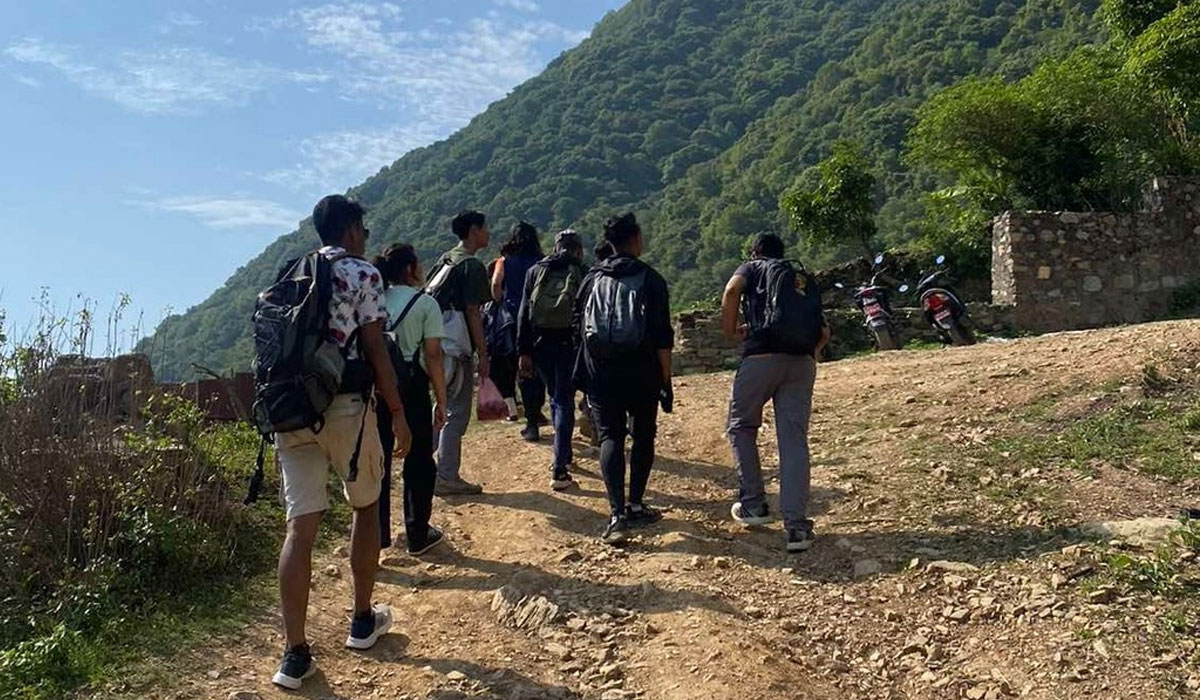
Champadevi hiking is a one-day hiking trip that you can take when you are in Kathmandu. This hiking trip has a lot of fascinating elements packed into it. Some of them are the ancient and traditional farm life, close to the culture of Newars and Tamang people in the area, as well as some natural elements of Champadevi. You will not be disappointed by the short trail during this Champadevi day hike that will lead to a beautiful end scenic route. A lot of people who are inside Kathmandu Valley, especially in Lalitpur and close to the Kirtipur area, tend to go on treks to Champadevi every now and then. Likewise, the hiking spot is just as popular among people who are only visiting Kathmandu Valley. Along with many other hiking areas in the valley, if you are a beginner in hiking and are looking for a rather convenient and easy hiking spot, then Champadevi is the place for you.

Champadevi is also known as Champa wati. There is a famous Champadevi temple that is a prayer stop for Hindu followers and hikers. The temple is dedicated to Goddess Champadevi, who is a manifestation of Goddess Durga or Parvati. There is a famous belief among the people in Champadevi that the goddess protects the villagers and their simple lives from evil eyes.Champadevi Hiking
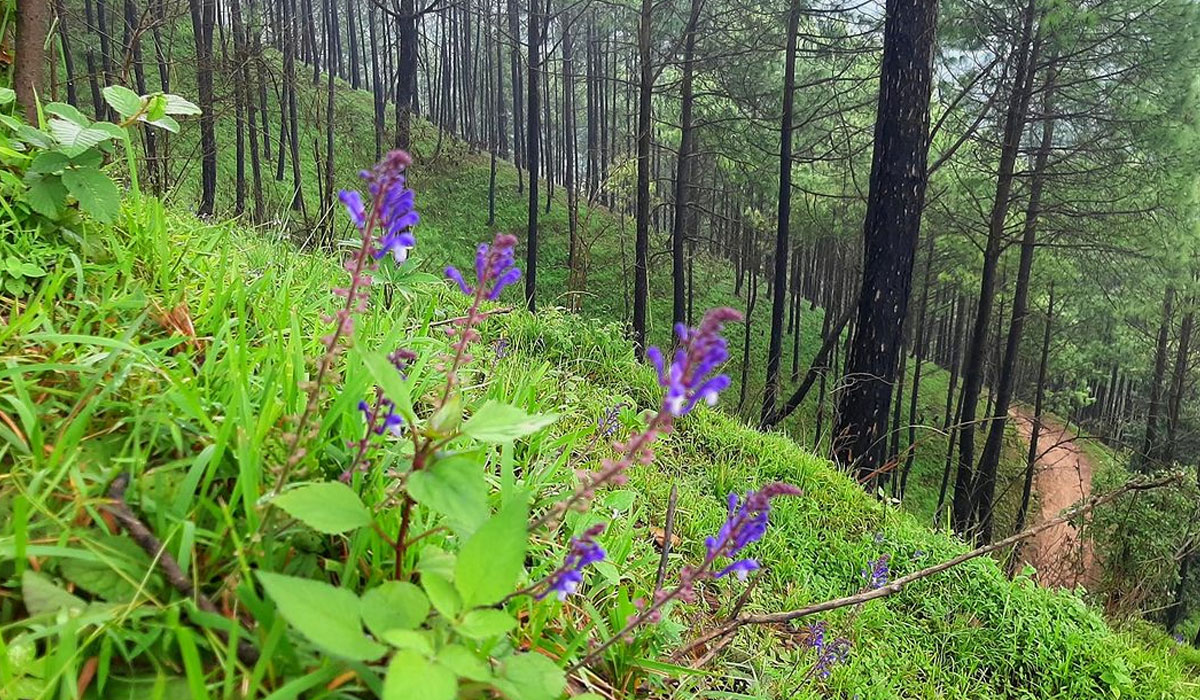
During your day hike in Champadevi, you can witness the beautiful mountains from the hilltop. Likewise, there are just as many rich flora along the trail as this hike. Rhododendrons and pines are the most common species of plants that you will come across on your way. While Kirtipur, which is the closest city to Champadevi, is pretty metropolitan and urbanized, this hike will surely take you away from the noisy hustle and bustle of the city for a while.

Your trip to Champadevi will also take you to Pharping in less than an hour. You can pay a visit to a meditation cave of the holy Buddhist Guru Padmasambhava, known as Guru Rinpoche. He is the 7th-century guru who traveled from India to Tibet and stopped in Pharping to meditate in a cave. He eventually moved back to Tibet after having meditated for several years in Pharping.

Your hike starts from Pharping and goes up to Champadevi from here on. There is an excellent view of the entire Kathmandu valley, as well as mountains and the greenery around the area when you reach the top of Champadevi, leaving you nothing to complain about your day hike. After returning from your day hike, you can proceed back to your hotel.

Why Choose Chandragiri Hills Day Trip?

Chandragiri Hills day trip brings together several experiences that are difficult to fit into a short outing around Kathmandu. The hilltop combines Himalayan scenery, forested landscapes, religious heritage, and a memorable cable car journey, while the elevation of 2,551 meters creates a noticeably different atmosphere from the valley below. You can spend the day surrounded by nature and mountain views without taking on the physical demands of a long hiking route. It is also a practical choice when your Nepal itinerary is already packed. 

Instead of giving up an entire day to a demanding trek, a Chandragiri Hill day tour lets you reach a high viewpoint, explore the summit area, and enjoy the surrounding landscape before returning to Kathmandu.

  • Reach a High Viewpoint Without a Long Trek

Standing at around 2,551 meters, Chandragiri provides an impressive elevation gain from Kathmandu. The cable car makes this height accessible without requiring several hours of continuous uphill walking, so travelers can enjoy a genuine mountain environment even when a strenuous hike is not part of their plans.

  • Enjoy the Chandragiri Cable Car Journey

The cable car is more than simply transportation to the summit. As the cabins climb above the lower slopes, the view gradually opens across the forest and toward Kathmandu Valley. For many visitors, this scenic ascent becomes one of the most memorable parts of the day, particularly when the weather allows clear views over the surrounding landscape.

  • Take in Himalayan Views From 2,551 Meters

Chandragiri's elevated position creates excellent opportunities to see the Himalayan range. On clear days, the panorama can extend toward Langtang, Ganesh Himal, Manaslu, and the Annapurna region. The quality of the mountain views depends heavily on weather and atmospheric clarity, but the hilltop remains an excellent place to look across the broader landscape surrounding Kathmandu.

  • See Kathmandu Valley From a Different Perspective

The city looks remarkably different from Chandragiri. Instead of navigating through its streets, temples, and crowded neighborhoods, you can look down across the entire valley from above. The elevated viewpoint reveals the dense settlement patterns, surrounding hills, and distant landscapes that are difficult to appreciate from ground level.

  • Visit Bhaleshwar Mahadev Temple

The summit has cultural importance as well as scenic value. Bhaleshwar Mahadev Temple stands near the hilltop and is an important pilgrimage site dedicated to Lord Shiva. Visiting the temple adds a cultural dimension to the trip and gives travelers an opportunity to experience a place that holds significance beyond its panoramic views.

  • Spend Time in a Forested Mountain Environment

Chandragiri's surroundings are covered with forest, creating a noticeable contrast with the built-up landscape of Kathmandu Valley. The cooler air, trees, open spaces, and quieter setting make the hilltop suitable for travelers who simply want some time in a more natural environment without traveling deep into the countryside.

  • Combine Nature and Sightseeing in One Day

One of Chandragiri's biggest advantages is the variety packed into a relatively simple day trip. A single visit can include a scenic drive, cable car ride, forest scenery, Himalayan viewpoints, a religious site, photography, and a relaxed time at the summit. You do not have to choose between cultural sightseeing and outdoor scenery.

  • A Comfortable Option for Different Types of Travelers

The accessibility of the cable car makes Chandragiri suitable for people who may not be comfortable with a demanding uphill hike. Families, older travelers, first-time visitors to Nepal, and travelers with limited trekking experience can all enjoy the hilltop environment without needing specialized hiking skills or extensive preparation.

  • Capture Kathmandu's Landscape From Above

Chandragiri offers plenty of opportunities for photography, particularly around the cable car route and summit viewpoints. You can capture the valley below, forested hills, Himalayan peaks on clear days, the cable cars moving across the hillside, and the architecture around Bhaleshwar Mahadev Temple. Early planning around weather and visibility can make a significant difference to mountain photography.

  • Add an Active Break to a Kathmandu Itinerary

Spending several days exploring Kathmandu can involve a lot of cultural sites, traffic, and urban sightseeing. Chandragiri provides a change of pace without requiring you to leave the valley for an overnight trip. A few hours at higher elevation gives your itinerary some outdoor variety while keeping the logistics relatively straightforward.

  • Experience the Mountainous Side of Kathmandu

Kathmandu is often introduced through its historic squares, temples, stupas, and bustling neighborhoods, but the surrounding hills are an equally important part of its setting. Chandragiri offers a chance to experience that less urban side of the valley, with forests and mountain scenery replacing the buildings and roads that dominate the city below.

  • Make the Most of Limited Time in Nepal

Travelers with only a short stay in Kathmandu may not have enough time for a multi-day trek. Chandragiri fills that gap by offering a taste of Nepal's mountain environment within a single day. You can reach 2,551 meters, enjoy views toward the Himalayas, visit a significant temple, and return to the city without sacrificing several days of your wider Nepal itinerary.

Cost Details

What's Included in Champadevi Hiking

  • Private transport facility.
  • The required permit.
  • A professional hiking guide.
  • Lunch.

What's Excluded in Champadevi Hiking

  • Personal expenses are not covered in your package.
  • Expenses for drinks along the way.

Price & Availability

Group Discount Available

1 PersonUS$ 100
2 - 4 PersonUS$ 85
5 - 10 PersonUS$ 75
11 - 20 PersonUS$ 65
US $100
Book this Trip

Itinerary

The Champadevi Hiking itinerary is a manageable day outing from Kathmandu that combines a short drive to Pharping with several hours of walking through forested hills toward the Champadevi ridge. The hike generally takes around 3 to 4 hours, depending on your pace, stops, and the amount of time you spend exploring the cultural sites along the way. 

Rather than focusing only on reaching the summit, the route gives you opportunities to experience the religious heritage of Pharping, observe rural landscapes, and enjoy increasingly open views over Kathmandu Valley as you gain elevation.

  • Phase 1: Breakfast and Morning Departure From Kathmandu

Your day begins with breakfast at your hotel before meeting your private driver for the journey toward Pharping, located on the southern side of Kathmandu Valley. Starting in the morning gives you comfortable walking conditions and allows enough time to enjoy the trail without rushing. 

The drive takes you through the southern outskirts of Kathmandu before the landscape gradually becomes less urban and more rural. Depending on your hotel location and traffic, the driving time can vary, so the exact departure time can be adjusted to suit your schedule.

  • Phase 2: Drive to Pharping and Prepare for the Hike

After arriving in Pharping, you leave the vehicle and prepare for the walking portion of the day. Pharping is more than simply the starting point of the hike; it is an important religious area with a long history of both Hindu and Buddhist pilgrimage. 

Before beginning the ascent, you can take a moment to observe the surrounding settlements, cultivated land, and hillside environment. This also gives you an opportunity to make sure you have sufficient water and are comfortably prepared for the uphill trail.

  • Phase 3: Begin the Champadevi Trail

From Pharping, the trail begins climbing toward the Champadevi hills through a mixture of woodland, open slopes, and rural surroundings. The pace can be kept steady rather than rushed, allowing you to enjoy the changing landscape as the elevation increases. The route includes continuous uphill sections, but it does not require technical climbing or specialized trekking skills.

As you move farther from Pharping, the surroundings become quieter, with forests and hillside landscapes replacing the more developed areas around the road. The gradual change in scenery is one of the appealing parts of the hike, particularly for travelers who want to experience the hills surrounding Kathmandu rather than simply visit a viewpoint by vehicle.

  • Phase 4: Explore the Sacred Sites Around Pharping

The cultural character of the area becomes an important part of the experience. Pharping and its surrounding hills contain several sites associated with both Hindu and Buddhist traditions. Among the most notable are sacred caves connected with Guru Rinpoche, also known as Padmasambhava, who is traditionally believed to have meditated in the area.

Depending on the exact route and time available, your guide can help you understand the significance of these sites and the religious traditions associated with them. This adds useful cultural context to the hike and helps explain why the landscape around Pharping has remained an important pilgrimage destination for generations.

  • Phase 5: Continue Through Forest and Rural Landscapes

As the hike continues toward Champadevi, the trail passes through more forested sections and open hillside areas. The surroundings provide a different perspective of life outside Kathmandu, with farmland, scattered settlements, local vegetation, and traditional rural landscapes appearing along the route

The southern hills are also influenced by the cultural traditions of communities including the Tamang and Newar peoples. Rather than treating these communities simply as part of the scenery, the hike provides opportunities to learn about local customs, agriculture, and the relationship between the settlements and surrounding hills.

  • Phase 6: Reach Champadevi Hilltop

After several hours of steady walking, you reach the higher sections of Champadevi Hill at approximately 2,278 meters. The landscape becomes more open as you approach the ridge, creating better opportunities to look back toward the valley and surrounding hills. From the higher viewpoint, Kathmandu Valley spreads out below, with its dense settlements contrasting against the green hills along its edges. 

On days with good visibility, distant Himalayan peaks may also be visible beyond the surrounding ridges. Weather and atmospheric conditions strongly influence visibility, so the mountain panorama cannot always be guaranteed, but the elevated perspective remains rewarding regardless.

  • Phase 7: Visit Champadevi Temple and Enjoy Time at the Summit

Once you reach the hilltop, you can take time to rest and enjoy the surroundings before beginning the descent. Champadevi Temple adds a religious element to the summit experience and is an important destination for Hindu pilgrims.

This is also a good point to have some refreshments, take photographs, and simply enjoy the quieter atmosphere of the hilltop. After completing several hours of uphill walking, spending unhurried time at the summit allows you to appreciate the landscape rather than treating the destination as a quick stop before returning.

  • Phase 8: Descend Toward Pharping

After exploring Champadevi and taking sufficient time to rest, you begin the descent toward Pharping. The return journey generally feels easier physically because you are no longer gaining elevation, although the trail's uneven and downhill sections still require careful footing.

The descent provides another opportunity to appreciate parts of the landscape that may have looked different during the morning ascent. Your guide can also use this section of the journey to explain local landmarks, vegetation, or cultural features that you may have passed earlier.

  • Phase 9: Return to Kathmandu

Once you arrive back in Pharping, your private vehicle will be ready for the drive back to Kathmandu. Depending on the time and your interests, you may have an opportunity to stop for refreshments or explore more of the Pharping area before leaving. The drive then takes you back toward your hotel in Kathmandu, bringing the Champadevi Hiking experience to an end. 

With approximately 3 to 4 hours of Champadevi Hike from Kathmandu, cultural sites around Pharping, rural landscapes, and elevated valley views, the itinerary provides a balanced day in the hills without requiring an overnight stay. The Champadevi Hiking itinerary can also be adjusted according to your group's pace and interests. Departure time, time spent around Pharping's religious sites, rest stops, and the duration of the summit stay can all be arranged more flexibly for private groups.

If the provided schedule isn't suitable for you, we can create personalized travel arrangements.

Customize My Trip

Essential Information

What Makes This Experience Special?

Champadevi becomes memorable through the way the landscape changes as you move through it. The day does not begin with an immediate mountain panorama or end with a single viewpoint. Instead, the experience unfolds from the culturally rich surroundings of Pharping into forested trails, rural hillsides, and eventually the open ridge of Champadevi. Each part of the route adds something different to the day.

What makes the hike particularly interesting is that the landscape carries signs of both natural and human history. Sacred caves and temples sit among the hills, farmland continues along the slopes, and local communities maintain traditions that have shaped the area for generations. By the time you reach the higher ridge, the view back toward Kathmandu feels more meaningful because you have physically walked through the landscape surrounding the valley. What makes the experience memorable:

  • The Gradual Transformation From Pharping to the Hilltop: The surroundings evolve from settlements and pilgrimage sites into forests, farmland, and quieter mountain terrain as the trail gains elevation.

  • Sacred Places Encountered Along the Journey: Buddhist caves, monasteries, and Hindu religious sites give the landscape a sense of history and spirituality that you experience while actually moving through the area.

  • The Feeling of Walking Through a Living Rural Landscape: Rather than hiking through an isolated wilderness, you pass cultivated land, local homes, forests, and working agricultural areas where everyday life continues around the trail.

  • The Changing Relationship With Kathmandu: The valley does not simply appear as a distant panorama at the end. As you climb higher, Kathmandu gradually becomes smaller below you, creating a noticeable change in perspective.

  • The Contrast Between Forest and Open Ridge: Sheltered sections of woodland provide shade and a quieter atmosphere, while the more exposed upper sections open toward wider views and distant mountains.

  • A Summit Experience Shaped by the Journey: Reaching Champadevi Temple and the surrounding ridge feels more rewarding because the viewpoint comes after several hours of walking through the southern hills rather than being reached directly by road or cable car.

  • The Possibility of Meaningful Local Encounters: A conversation with a local resident, a glimpse of farming activity, or observing religious practices can become an unexpected part of the day and give the hike a more personal character.

  • A Different Perspective of the Kathmandu Valley: From Champadevi, the valley can be appreciated as a geographical landscape rather than simply as the busy urban environment seen from within the city.

  • The Sense of Crossing Between Two Environments: Within one outing, you move from the cultural and settled landscape of Pharping into a quieter hill environment, making the hike feel more substantial than its relatively short duration suggests.

  • The Simplicity of Returning With a Full Day of Experiences: After completing the trail, you descend to Pharping and drive back to Kathmandu, carrying the feeling that you have experienced a genuine piece of the landscape surrounding the capital rather than simply visited another attraction.

Best Season for Champadevi Hiking in Kathmandu

Champadevi Hike from Kathmandu is possible throughout the year, although the character of the trail changes considerably with the seasons. Because the route combines several hours of uphill walking with forested sections and open viewpoints, temperature, rainfall, trail conditions, and visibility all influence how comfortable the hike feels. Clear weather is particularly valuable near the higher sections, where you can look across Kathmandu Valley and, when conditions cooperate, toward distant Himalayan peaks.Best season for Champadevi Day Hiking

For most travelers, autumn and spring offer the best overall conditions. The weather is generally comfortable for walking, trails are easier to manage, and visibility is often favorable. Winter can provide crisp mountain scenery and cool hiking conditions, while the monsoon brings lush greenery but wetter trails and more uncertain views.

Autumn (September to November): Clear Skies and Comfortable Hiking

Autumn is widely considered one of the most favorable periods for Champadevi Hiking. The monsoon gradually clears the atmosphere, leaving the forests and hillsides fresh and green while rainfall becomes much less frequent. October and November are particularly attractive because they tend to combine comfortable temperatures with better visibility.

Daytime temperatures around Champadevi can generally range from approximately 15°C to 24°C (59°F to 75°F), with cooler conditions at higher elevations and during the morning. These temperatures are well suited to several hours of uphill walking without the intense heat experienced during the warmer months.

Clearer skies also improve the views from the upper Champadevi hiking trail. Kathmandu Valley can appear more distinctly below the ridge, while distant Himalayan peaks may become visible on particularly clear days. The combination of comfortable trail conditions, fresh vegetation, and improved visibility makes autumn an excellent choice for hiking, photography, and enjoying the cultural sites around Pharping.

Spring (March to May): Mild Temperatures and Fresh Greenery

Spring brings a pleasant balance of warmth and greenery to the Champadevi hills. As temperatures rise after winter, the forests and surrounding countryside become increasingly vibrant, creating attractive conditions for walking and photography. The earlier part of spring, particularly March and April, is generally more comfortable before temperatures increase and pre-monsoon weather becomes less predictable.

Daytime temperatures can generally remain around 17°C to 26°C (63°F to 79°F), although conditions vary with elevation, cloud cover, and the time of day. Morning starts can still feel cool, while the uphill sections become warmer as the day progresses.

The trail is especially appealing during this season because the surrounding vegetation is active and the countryside has a fresh appearance. Visibility can be good, although haze and pre-monsoon clouds may begin affecting distant mountain views toward May. For travelers who prefer mild weather and green landscapes, spring is one of the strongest alternatives to autumn.

Winter (December to February): Cool Trails and Crisp Mountain Air

Winter gives Champadevi a distinctly cooler character. Early mornings and higher sections of the trail can feel cold, particularly before the sun reaches the hillside. Daytime temperatures around Champadevi can generally range from approximately 8°C to 18°C (46°F to 64°F), with conditions becoming more comfortable once sunlight reaches the trail.

The cooler weather can actually make uphill walking pleasant for travelers who prefer avoiding heat. Warm layers are recommended for the beginning and end of the hike, while lighter clothing can be useful once you become active on the ascent.

Winter can also provide excellent visibility when the atmosphere is dry and clear. However, haze around Kathmandu Valley can still affect distant views, so mountain visibility is never guaranteed. If you enjoy cooler hiking conditions and do not mind starting the day in warm clothing, December through February can be a rewarding time to experience Champadevi.

Summer and Monsoon (June to August): Green Hills but Wetter Trails

The monsoon season transforms the Champadevi landscape into one of its greenest forms. Regular rainfall supports dense vegetation, fresh forests, and vibrant agricultural surroundings around Pharping. For travelers who enjoy lush scenery and do not mind wet conditions, the season has its own appeal.

Temperatures can generally remain around 20°C to 28°C (68°F to 82°F) during the daytime, while humidity can make the lower sections feel warmer. Rainfall is the main consideration rather than temperature. Wet trails can become slippery, muddy, and more demanding, particularly on downhill sections.

Clouds and mist can also develop quickly around the hills, reducing visibility toward Kathmandu Valley and the Himalayas. Rain may not last throughout the entire day, but conditions can change rapidly, so waterproof clothing, suitable footwear, and rain protection are especially useful during June, July, and August. If your main priority is mountain scenery, the monsoon is less reliable than autumn or spring.

Which Season Is Best for Champadevi Hiking in Kathmandu?

October and November are generally the best months for Champadevi Hill Hiking if your priorities are comfortable temperatures, relatively dry trails, and clearer views across Kathmandu Valley and toward the mountains. March and April are also excellent choices, particularly for travelers who enjoy mild weather and greener surroundings.

December to February works well for those who prefer cooler hiking conditions and potentially crisp winter visibility, although warm layers are important. June to August offers the freshest and greenest landscapes but comes with wetter trails, cloud cover, and less predictable mountain views.

Since Champadevi is both a hiking and sightseeing experience, checking the weather forecast before departure is worthwhile regardless of the season. Even during the traditionally favorable months, visibility can change from day to day, while a short period of clear weather can make a significant difference to the views from the ridge.

Difficulty and Accessibility

Champadevi Hiking in Kathmandu is generally considered a moderate day hike rather than a strenuous trek. The main challenge comes from the steady uphill sections between Pharping and the higher parts of Champadevi, with the trail involving several hours of continuous walking. There are no technical climbing sections, ropes, or specialized mountaineering skills required, but a reasonable level of fitness is helpful for maintaining a comfortable pace on the ascent.

The hike usually takes around 3 to 4 hours, depending on your walking speed, trail conditions, rest stops, and time spent exploring the cultural sites along the route. The elevation reaches approximately 2,278 meters, so the increase in altitude is noticeable but does not involve the extreme elevations associated with Himalayan trekking routes. For most active travelers, the primary consideration is endurance for uphill walking rather than altitude itself.

Trail conditions can vary with the season. During autumn and spring, the route is generally more comfortable for walking, while monsoon rainfall can make sections muddy or slippery. Proper walking shoes with good grip are therefore recommended throughout the year, with extra care needed on wet downhill sections. Winter mornings can be cold, particularly around the higher parts of the trail, so carrying an additional warm layer is useful.

Accessibility is also helped by the fact that Pharping can be reached by road from Kathmandu, allowing you to begin the hike without a lengthy approach walk from the city. After completing the trail, you descend back toward Pharping and return to Kathmandu by vehicle, meaning the entire experience can be completed without spending a night away from the capital.

Champadevi is suitable for travelers with basic to moderate hiking experience, including first-time day hikers who are comfortable with uphill walking. Families with older children, couples, and private groups can also undertake the route, although the pace should be adjusted according to individual fitness. Travelers who rarely exercise may find the continuous ascent demanding and should allow additional time for rest.

Transportation

Champadevi Hiking begins with a road journey from Kathmandu to Pharping, the main access point for the hiking route. Since the trail itself starts outside the city, private transportation makes the logistics considerably easier, particularly for travelers staying in different parts of Kathmandu. The drive follows the southern side of the valley and gradually moves from the more developed urban areas toward the quieter landscape around Pharping. Depending on traffic and your hotel location, the journey generally takes around 1 to 1.5 hours.

Pharping is where the vehicle journey gives way to the actual hiking experience. You will get off near the trail area, make any final preparations, and begin walking toward Champadevi with your guide. Having transportation arranged only for the road sections means you can concentrate on the trail without worrying about finding another vehicle or coordinating public transport before or after the hike.

The return follows the same practical arrangement. After completing the hike, you descend back toward Pharping, where your private vehicle picks you up for the drive to Kathmandu. If you have spent additional time exploring the religious sites or taking a break around Pharping, the return schedule can be adjusted accordingly rather than being tied to a fixed public transportation timetable.

For private groups, the vehicle can also be selected according to the number of travelers. A comfortable car or SUV works well for smaller parties, while larger vehicles can be arranged when traveling as a bigger group. This door-to-trailhead arrangement keeps the transportation simple while giving you more control over when you leave Kathmandu, how long you spend around Pharping, and when you return after the hike.

What to Bring?

Champadevi Hike from Kathmandu is a proper hill hike rather than a viewpoint reached by cable car, so what you carry should be chosen with the walking conditions in mind. The trail includes sustained uphill sections, forested paths, and potentially uneven or slippery ground, making comfortable footwear, sufficient water, and a lightweight daypack more important than carrying a large amount of equipment. You will also experience changing temperatures as you gain elevation, so clothing that can be adjusted throughout the day is useful.

A few additional items can make the hike more comfortable. Sun protection becomes important on exposed sections of the trail, while rain protection is particularly valuable during the monsoon. Because the route passes through rural areas and the amount of time spent hiking can vary, carrying some snacks and basic personal essentials is also sensible. If photography is part of your plans, keep your camera or phone easily accessible without making your pack unnecessarily heavy.

Essential Items to Bring:

  • Comfortable hiking shoes with good traction

  • Lightweight daypack

  • Reusable water bottle with enough drinking water

  • Energy snacks such as nuts, chocolate, or energy bars

  • Comfortable, breathable hiking clothes

  • Light fleece or jacket for cooler mornings and higher elevations

  • Waterproof rain jacket during the monsoon

  • Sunglasses, sunscreen, and a hat or cap

  • Small towel or handkerchief

  • Phone or camera for photographs and navigation

  • Power bank and charging cable

  • Basic personal medication, if required

  • Small first-aid essentials such as blister protection

  • Some Nepali cash for food, drinks, or personal expenses

Extra Expenses

Your Champadevi Hiking package can cover the services included in your selected arrangement, such as private transportation and guide services. However, it is useful to keep some Nepali Rupees (NPR) available for small purchases that fall outside the package. Since the hike passes through Pharping and rural areas, most additional spending is likely to be simple and practical rather than significant.

Typical personal expenses can include breakfast or meals, drinking water, tea, coffee, snacks, and refreshments during the day. You may also want to purchase locally available dairy products or other items around Pharping, depending on what you encounter along the route. Personal shopping, souvenirs, and other purchases are naturally your own responsibility.

Tipping is not mandatory in Nepal, although you may choose to tip your guide or driver if you are satisfied with their service. Any additional sightseeing or visits outside the planned Champadevi route may also involve separate transportation or entrance charges. Carrying some cash is recommended, particularly because smaller local shops and vendors around Pharping may not always have card payment facilities.

Champadevi Hiking Packages: Group and Private Tours

Champadevi can be experienced as either a group hike or a private hiking trip, with the main difference being how the transportation, schedule, and walking pace are organized. The trail and major attractions remain the same, but the style of the day can be tailored differently depending on whether you prefer a shared experience or more control over your time.

Group Tours

For travelers who are happy to follow a shared schedule, a group Champadevi hike offers a more economical way to experience the trail. Transportation between Kathmandu and Pharping is shared with other participants, while the hiking portion is completed together with the group and guide.

The shared format can be particularly enjoyable for solo travelers or couples who like meeting other people while traveling. Departure times and the overall pace are generally predetermined, so you should be comfortable staying with the group's schedule. You still have time to experience Pharping's cultural sites, the forested trail, Champadevi Temple, and the views from the hilltop, without arranging the day's logistics independently.

Private Tours

A private Champadevi Hiking package gives you much greater control over how the day unfolds. Your vehicle is reserved for your group, and the hiking schedule can be adjusted around your preferred departure time, walking speed, rest periods, and interests.

This arrangement works especially well for families, couples, friends, and small groups who want a more personal experience. You can spend additional time around Pharping's religious sites, take longer photography breaks, slow the pace during steeper sections, or remain at the Champadevi hilltop for as long as your schedule allows. Travelers with different fitness levels can also benefit because the walking pace does not have to match an unrelated group.

Which Option Is Right for You?

The shared option makes sense when keeping the cost lower and enjoying a social hiking experience are important to you. A private hike is more appropriate if flexibility, personal space, and control over the day's pace matter more than minimizing the price.

For families or groups with specific interests in photography, local culture, religious sites, or simply spending more time on the trail, the private option generally provides greater freedom. Whichever arrangement you choose, the Champadevi experience still brings together the Pharping landscape, forest trail, local culture, hilltop views, and approximately 2,278-meter elevation within a single day.

Customization Options

Champadevi Hiking can be tailored around how you want to experience the trail rather than following one fixed schedule. With a private trip, you can decide how much emphasis to place on the hike, Pharping's religious heritage, local landscapes, or time at the Champadevi summit.

The walking pace can be adjusted to suit your group, with additional breaks for photography, rest, or enjoying the scenery. You can also spend more time around the sacred caves and temples of Pharping if the cultural side of the area interests you, while travelers focused on the outdoors may prefer to maximize their time on the trail.

Your return from Pharping can also be arranged around the day's pace, making it possible to include a meal or short local stop before heading back to Kathmandu. This flexibility is particularly useful for families, photographers, and private groups who want the hike to reflect their own interests rather than follow a rigid timetable.

Champadevi Hiking FAQs

Champadevi Hiking FAQs

What is Champadevi Hiking?

Champadevi Hiking is a short-to-moderate day hike to Champadevi Hill (2,278 m) on the southwestern rim of Kathmandu Valley. The trail passes through pine, oak and rhododendron forest before reaching the summit, where a small shrine and Buddhist stupa sit on the ridge. The hike combines forest walking, Himalayan views, Kathmandu Valley scenery and religious sites in a relatively short trip from the city. Several approaches are possible, but the Hattiban to Champadevi route is one of the most commonly used routes. 

How Long Does the Champadevi Hiking Take?

The hiking time depends on the starting point. From Hattiban to Champadevi and back, you should generally allow around 3 to 4 hours of walking, while starting lower around Pharping can extend the hike to roughly 4 to 6 hours depending on the route and pace. A full day is useful if you include transportation from Kathmandu, rest stops, lunch and sightseeing around Pharping or Dakshinkali. The Hattiban route gains roughly 600 m of elevation to the 2,278 m summit. 

How Difficult is the Champadevi Hike?

Champadevi is generally a moderate hike, rather than a technically difficult trek. The main challenge is the sustained uphill climb through the forest, with some steeper and uneven sections approaching the summit. There is no technical climbing, scrambling, or significant exposure on the standard Hattiban route. A reasonably active person with basic hiking experience should be able to complete it, although beginners should allow enough time and avoid rushing the ascent. 

What is the Best Route for Champadevi Hiking?

For most visitors, the Pharping to Hattiban to Champadevi route is the best option because it combines manageable hiking, forest scenery and good access from Kathmandu. A common approach is to drive toward Pharping, continue to the Hattiban area and begin the forest climb toward the summit. From Hattiban, the trail gradually climbs through pine and mixed forest before reaching the Champadevi ridge and summit shrine. There are also alternative approaches from Kirtipur, Dollu, Machhegaun and other points around the southern valley rim, so the route can be adjusted according to available time and fitness. 

How High is Champadevi Hill?

Champadevi Hill stands at approximately 2,278 meters (7,474 feet) above sea level. It is considerably lower than Nepal's major trekking destinations, so altitude sickness is generally not a major concern for a normal day hike. The elevation is nevertheless enough to provide a noticeable change in landscape and excellent views over the Kathmandu Valley and surrounding mountains. 

Why is Champadevi Popular for Hiking From Kathmandu?

Champadevi is popular because it offers a genuine mountain and forest hiking experience without requiring a long journey from Kathmandu. The summit provides broad views over the valley and, in clear weather, Himalayan peaks including Langtang, Ganesh Himal and Dorje Lakpa. The surrounding landscape also has strong religious significance, with the Champadevi shrine at the summit and the Buddhist pilgrimage sites of Pharping nearby. 

How Far is Champadevi From Kathmandu?

Champadevi is roughly 16 to 20 km from central Kathmandu by road, depending on the exact starting point and route used. The journey toward Pharping generally takes around 45 to 60 minutes by private vehicle, although traffic can make the journey longer. The actual hiking distance varies considerably because Champadevi has several trailheads. 

Where Does the Champadevi Hike Start?

The most commonly used starting area is Hattiban, near Pharping, on the southwestern side of Kathmandu Valley. Some itineraries begin lower at Pharping Bhanjyang and walk toward Hattiban before joining the main forest trail to Champadevi. There are also routes approaching Champadevi from Kirtipur and other points along the southern valley rim, so the exact trailhead depends on the itinerary.

How Do I Get to the Starting Point of the Champadevi Hike From Kathmandu?

The easiest option is to take a private vehicle or taxi toward Pharping via the Dakshinkali road and continue toward the Hattiban area. From central Kathmandu, the drive commonly takes around 45 to 60 minutes, depending on traffic and the exact trailhead. 

Can I Do the Champadevi Hike in One Day?

Yes. Champadevi is well suited to a one-day hike from Kathmandu. A typical day includes the drive from Kathmandu to the trailhead, approximately 3 to 6 hours of hiking depending on the route, time at the summit and the return journey. You can also extend the experience by combining the hike with cultural sites around Pharping or Dakshinkali, turning it into a fuller day trip rather than simply walking to the summit and returning.

What Can You See From Champadevi Hill?

On a clear day, Champadevi provides wide views across Kathmandu Valley and the surrounding Himalayan ranges. Depending on atmospheric conditions, the panorama can include Langtang, Ganesh Himal, Dorje Lakpa and other Himalayan peaks. The summit itself is marked by prayer flags, a small religious shrine and a stupa, while the lower trail passes through forest rich in pine, rhododendron and other vegetation. 

Is Champadevi Hiking Suitable for Families and Children?

Champadevi Hiking in Kathmandu can be suitable for families with older children who are comfortable walking uphill for several hours. The standard trail does not involve technical climbing, but it does contain sustained ascents, uneven terrain and some steeper sections. 

Is Champadevi Hiking Safe?

The standard Champadevi Hiking trail is generally considered a safe day-hiking route, particularly when conditions are dry and visibility is good. The main concerns are ordinary hiking hazards such as slippery stones, uneven paths, steep sections and getting caught in poor weather. The trail is used regularly by local hikers and pilgrims. 

Can I Go to Champadevi for Sunrise?

Yes, Champadevi can be used as a sunrise hike, but it requires an early start because you need to reach the summit before sunrise. The exact departure time depends on the season and trailhead, but the safest approach is to calculate the walking time backward from local sunrise and allow additional time for breaks.

What is the Difference Between Champadevi Hiking and Phulchowki Hiking?

The main difference is elevation, terrain and the overall hiking experience. Phulchowki, at 2,782 m (9,127 ft), is the highest hill in Kathmandu Valley, while Champadevi stands at approximately 2,278 m (7,474 ft). Champadevi is therefore about 500 m lower than Phulchowki and generally offers a shorter, more accessible hill hike from Kathmandu. Champadevi is particularly known for its forested trails, religious significance and panoramic views of Kathmandu Valley, while Phulchowki is better known for its higher elevation, dense forest and rich biodiversity. If your priority is reaching the highest hill in Kathmandu Valley, choose Phulchowki. If you want a moderately challenging hike with a shorter commitment and excellent valley views, Champadevi is a strong alternative.

Is Champadevi Hiking Worth Doing From Kathmandu?

Yes, especially if you have only a day or half a day available around Kathmandu. Champadevi gives you several things in one outing: a moderate forest hike, a 2,278 m summit, Kathmandu Valley views, Himalayan scenery in clear weather and a connection to the area's Hindu and Buddhist heritage. 

Traveller Review

  • Tripadvisor4.8
  • Google4.7
  • M
    Marcus Thorne10th Mar, 2022

    A rewarding ridge walk with sweeping views of the Kathmandu Valley and Himalayas

    If you want a invigorating day hike away from city noise without traveling hours to a trailhead, Champadevi is ideal. The trail winds steadily through pine forests and along a tranquil ridge line, opening up to panoramic views of Central Nepal’s mountain ranges on clear days. Reaching the stupa at the summit provided a serene spot for a packed lunch. The gentle descent toward Hattiban gave us great photo ops of the valley floor below.


Read All Review
Private Trip
Price fromUS $100 pp0 Nights, 1 Days

Group size and price

1 PaxUS $100
2 - 4 PaxUS $85
5 - 10 PaxUS $75
11 - 20 PaxUS $65
Check Availability
  • No-hassle best price guarantee
  • Customer care available 24/7
  • Hand-picked Tours & Activities

Need Help?

  • +977-9851136074Call Us (Viber/Whatsapp)
  • [email protected]Mail Us
Start FromUS $100
Book Now
240 reviewson TripAdvisor
Eco Holidays Nepal

Subscribe Newsletter

To receive travel news, updates and offers via email.

Eco Holidays Nepal

  • Paknajol Marg, Thamel, Kathmandu, NepalHead Office
  • +977 9851136074Call Us
  • [email protected]Mail Us

Destinations

  • Nepal

    87+ Tours & activities
  • Tibet

    06+ Tours & activities
  • Bhutan

    04+ Tours & activities

Travel Info

  • Geography of Nepal
  • Foods and Cuisines
  • People Language and Culture
  • Vehicle Hiring and Airline Ticketing
  • Embassies and Consulates
  • Altitude Sickness
  • Trekking Equipment
  • Trekking Guide and Porter
  • Trekking Seasons in Nepal
  • Responsible Tourism
  • Translator on Hire
  • Tourist Visa In Nepal

CERTIFICATES & PARTNERS

Nepal Government
NTB
TAAN
NMA
Viator
Trip Advisor
Tour Radar
BookMundi
All content and photography within our website is copyright & may not be reproduced without our permission. Most of the photographs of this website are provided by Professional Photographers. © 2026, Eco Holidays Nepal Pvt. Ltd.
We Accept