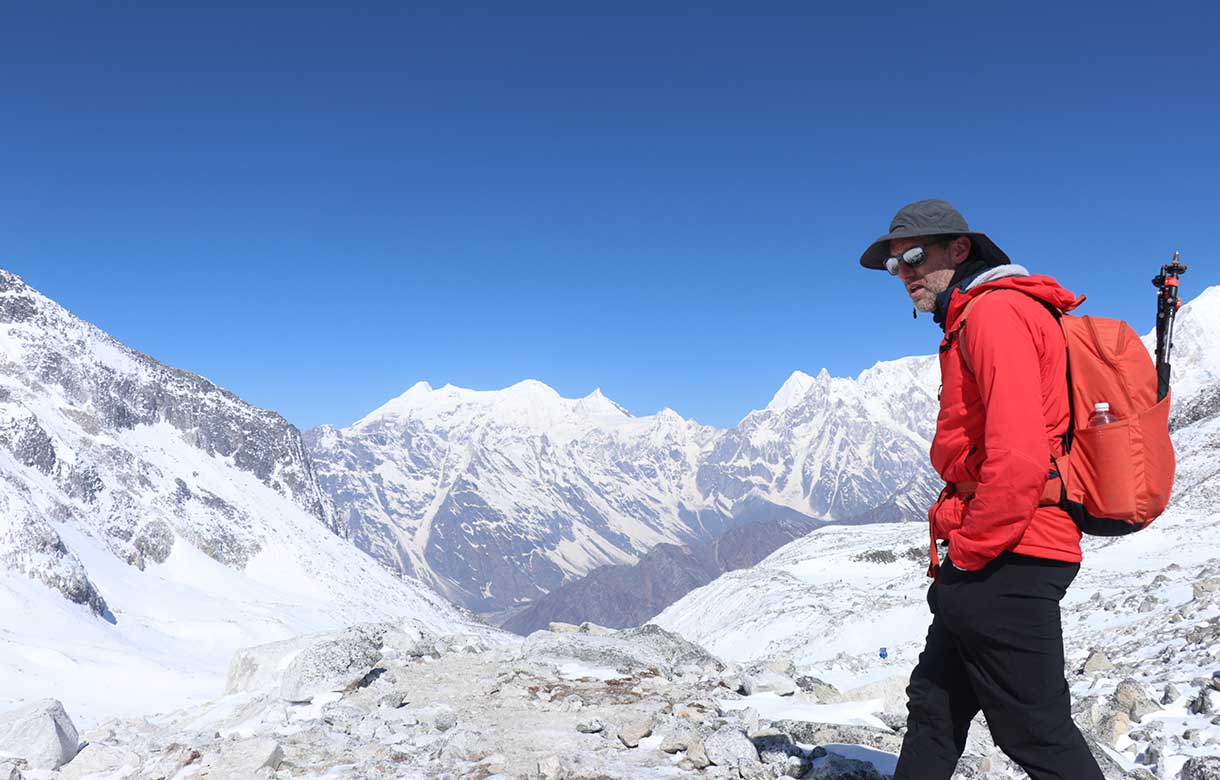
Trekking through remote parts of the Himalayas that feel raw and untouched, offering a balanced mix of physical challenge and natural immersion .
Walking deep into the Manaslu region, across river valleys, alpine forests, and high-altitude terrain shaped by glaciers.
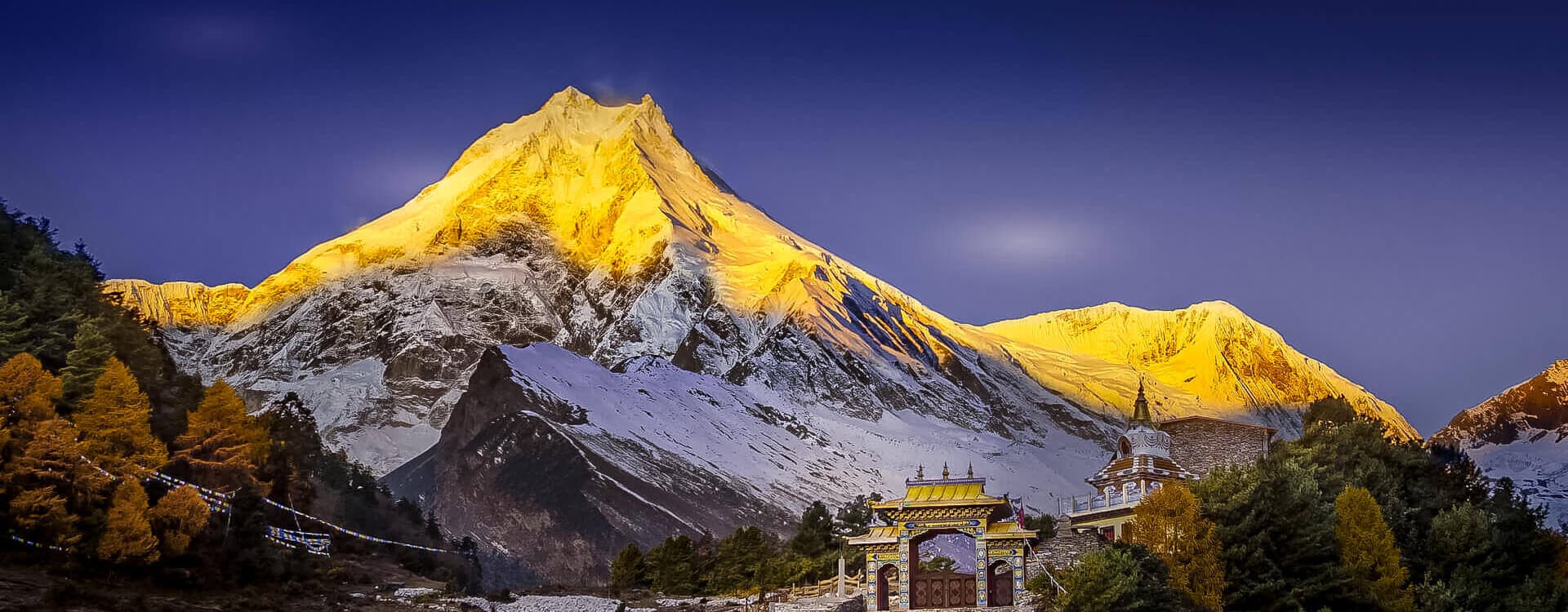
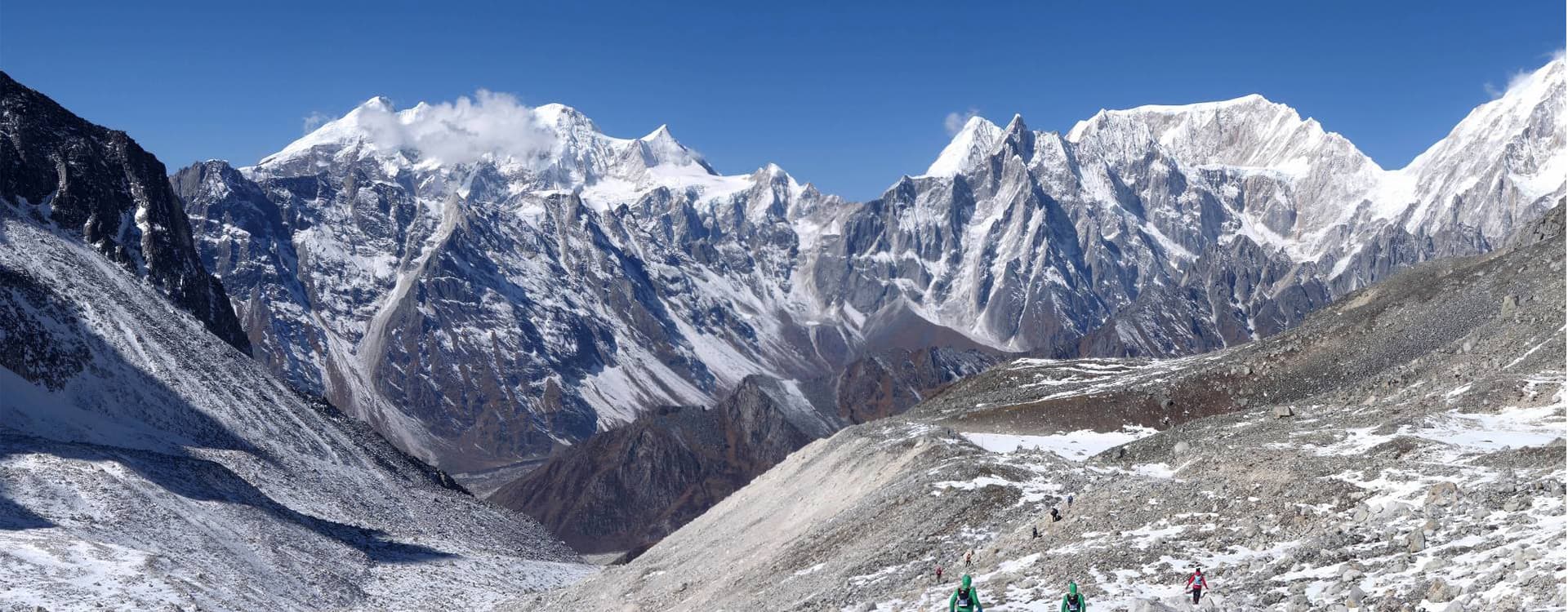
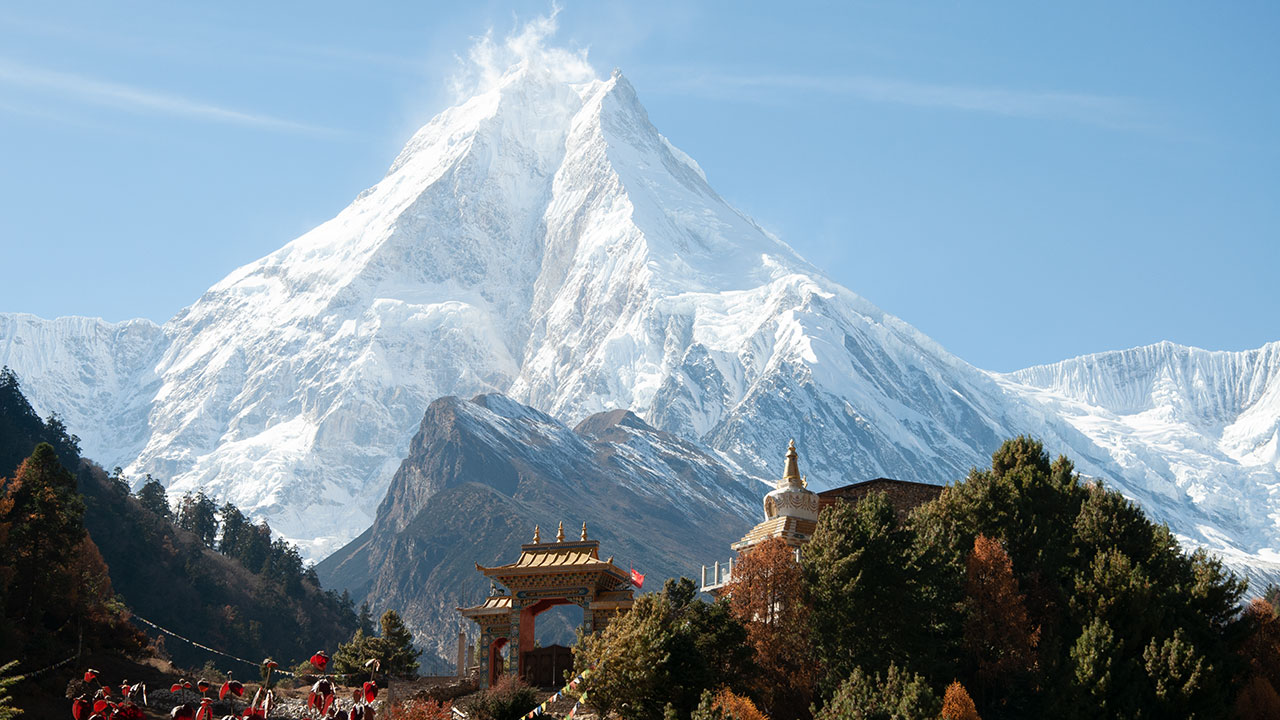
Breathtaking mountain views of Mount Manaslu, Himlung Himal, Ganesh Himal, Naike Peak, Cheo Himal, Larke Peak, and surrounding snow-covered ridgelines .
Opportunities to spend time in traditional villages such as Samagaun and Samdo, where Tibetan-influenced architecture, yak pastures, and mountain lifestyles remain unchanged.
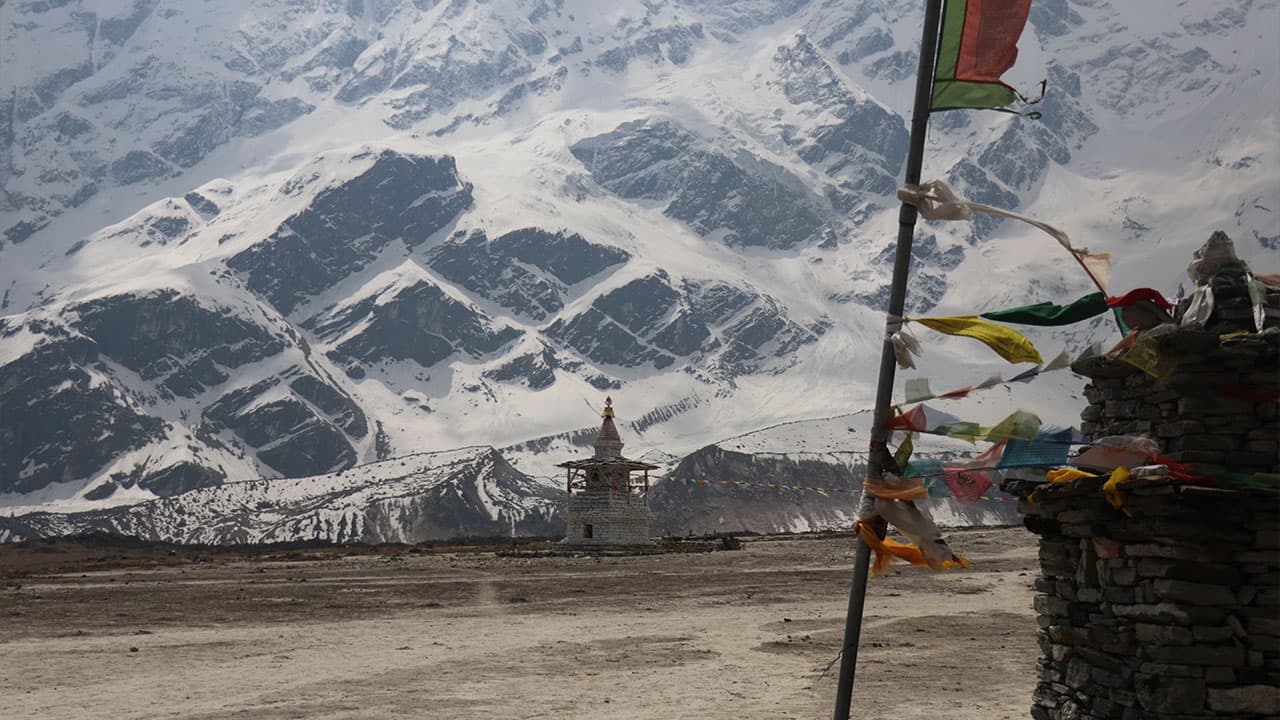
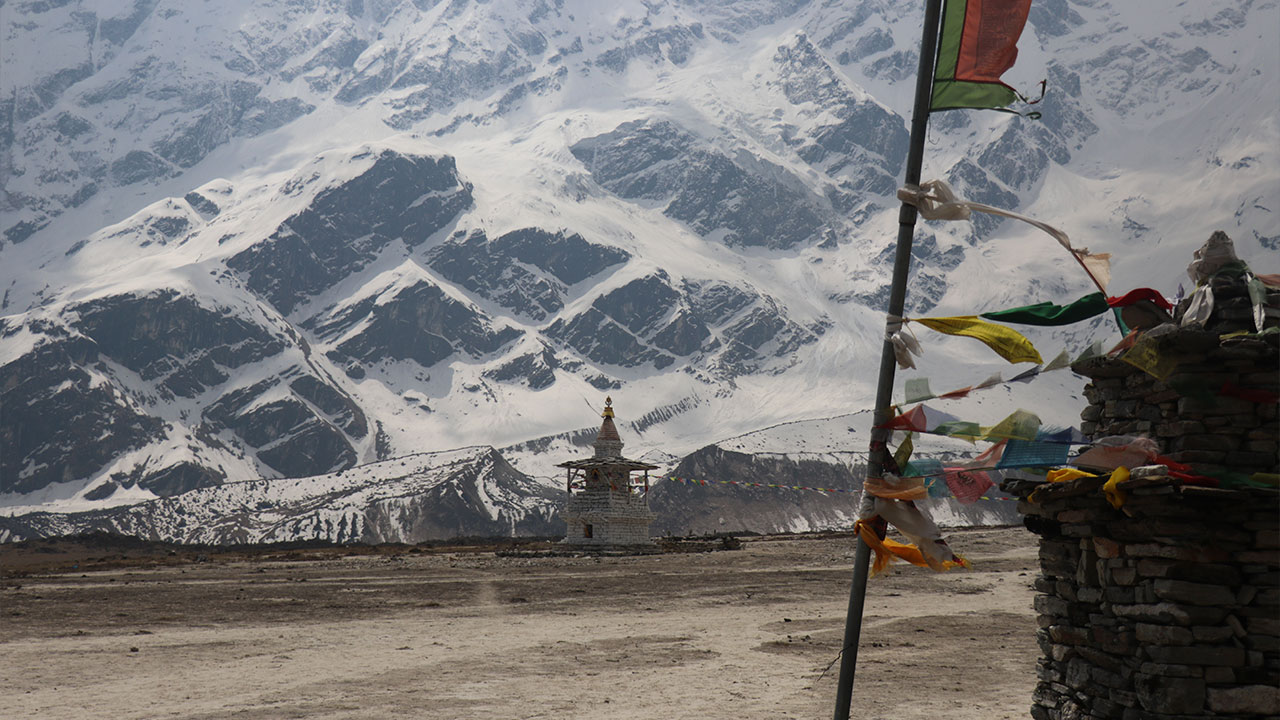
Visit ancient monasteries, mani walls, prayer wheels, and chortens that reflect the deep-rooted Buddhist culture of the Manaslu region.
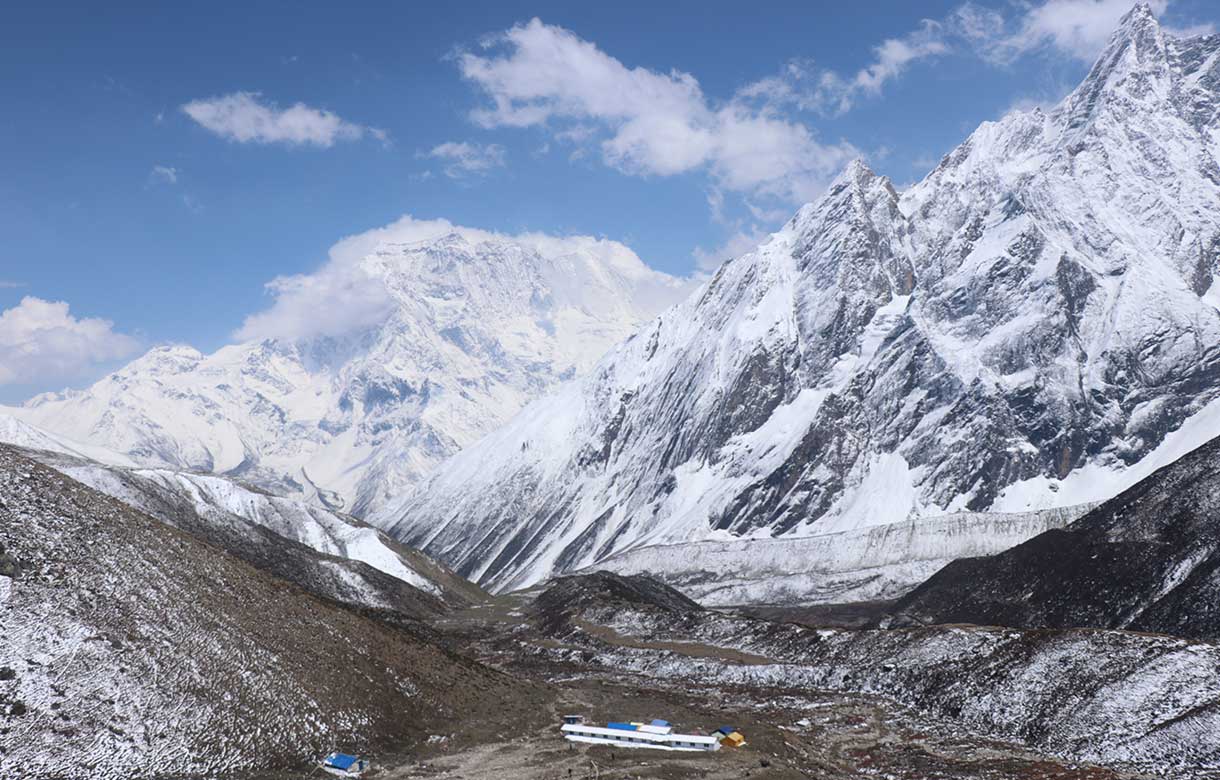
Explore the dramatic Manaslu Base Camp area, surrounded by glaciers, icefalls, and towering Himalayan walls at the foothills of the world’s eighth-highest mountain, Mount Manaslu (8,163m/26,781 ft).
Trek within the Manaslu Conservation Area, home to diverse ecosystems, pristine forests, and rare Himalayan flora and fauna.
Experience authentic teahouse trekking, where simple accommodation and warm local hospitality add depth to your Himalayan trek.
A quieter trekking route with fewer crowds, allowing for better acclimatization and a more peaceful mountain experience.
Ideal for trekkers seeking a genuine high-Himalayan adventure that combines cultural richness, scenic depth, and a sense of exploration beyond mainstream regions.
Trip Overview
The Manaslu Base Camp Trek is a rewarding adventure into one of Nepal’s most remote and culturally preserved Himalayan regions. This iconic trekking experience in Nepal is centred around Mount Manaslu, the eighth-highest peak in the world, at an elevation of 8,163 meters (26,781 feet). Manaslu Trek Nepal offers a rare combination of dramatic mountain scenery, serene trails, and deep-rooted Tibetan-influenced culture that has been preserved for centuries. Unlike heavily trafficked routes of the mainstream trekking regions in Nepal, the Manaslu region remains largely untouched, making the experience feel more personal and immersive from the very start.
This trekking route takes you across diverse landscapes, beginning from lower river valleys and gradually climbing through alpine forests, high mountain pastures, glacial terrain, and even a major Himalayan pass, the Larke La Pass. Along the way, you will pass traditional villages where daily life revolves around farming, herding, and ancient Buddhist traditions. Mani walls, prayer flags, monasteries, and chortens that line up the trail to the Himalayas also add a spiritual depth to the journey while offering insight into the cultural heritage of the region.
The major highlight of this journey is the excursion to Manaslu Base Camp. Here, you will be able to witness the otherworldly sight of the massive glaciers, icefalls, and towering Himalayan walls dominating the landscape beneath Mount Manaslu. Manaslu Base Camp Trekking demands steady physical effort and proper acclimatization. However, it does not require technical skills, so it is achievable for well-prepared trekkers seeking a true high-Himalayan experience.
Manaslu Base Camp Trek is ideal for those who value solitude, authenticity, and scenic depth away from the mainstream crowds. This trek offers a balanced blend of adventure, culture, and natural beauty, making it a compelling alternative to Nepal’s more commercial trekking routes for those looking for a true Himalayan trekking experience.
Manaslu Base Camp Trek Itinerary (Outline Plan)
Day 01: Kathmandu (1,400m/ 4,593ft) to Soti Khola (730m/ 2,395ft) drive: 6 to 7 hours
Day 02: Trek from Soti Khola to Maccha Khola (870m/ 2,854ft): 5 to 6 hours
Day 03: Maccha Khola to Jagat (1,290m/ 4,232ft): 6 to 7 hours
Day 04: Jagat to Deng (1,860m/ 6,102ft) trekking: 7 to 8 hours
Day 05: Deng to Lho (3,180m/ 10,433ft): 7 to 9 hours
Day 06: Trek to Samagaun (3,530m/ 11,581ft): 5 to 6 hours
Day 07: Rest and acclimatization day in Samagaun
Day 08: Trek from Samagaun to Manaslu Base Camp (4,800m/ 15,748ft): 4 to 5 hours
Day 09: Trek back to Samagaun (3,530m/ 11,581ft) from Manaslu Base Camp: 4 to 5 hours
Day 10: Samagaun to Samdo (3,875m/ 12,713ft): 4 to 5 hours
Day 11: Trek to Dharmashala (4,460m/ 14,632ft): 4 to 5 hours
Day 12: Trekking to Bimthang (3,590m/ 11,778ft) via Larke La Pass (5,106m/ 16,751ft): 8 to 10 hours
Day 13: Trek to Tilje (2,262m/ 7,421ft): 6 to 7 hours
Day 14: Trekking to Dharapani (1,860m/ 6,102ft) and drive to Besisahar (760m/ 2,493ft): 7 to 8 hours
Day 15: Drive back to Kathmandu (1,400m/ 4,593ft) from Besisahar: 7 to 9 hours
Price & Availability
Group Discount Available
2 Person
US$ 1235
3 - 6 Person
US$ 1125
7 - 10 Person
US$ 1085
Itinerary of Manaslu Base Camp Trek - 16 days
Day 01
Kathmandu (1,400m/ 4,593ft) to Soti Khola (730m/ 2,395ft) drive: 6 to 7 hours
Your day begins early in Kathmandu, and before the city fully wakes up, you will begin your driving journey toward Soti Khola. Leaving the capital valley, you drive follows the Trishuli River for much of the morning, where terraced hillsides and scattered settlements start to replace urban scenery. After reaching Mugling, the road turns north, and it starts to get noticeably rougher. The smooth highway fades into a narrower mountain road as you move toward Arughat Village, following the course of the Budhi Gandaki River.
Villages here in the countryside sit higher above the river. The fields are carved into steep slopes, and suspension bridges stretch across deep gorges. The final stretch to Soti Khola feels remote and raw; the road gets bumpy often, but it is a visually rewarding experience. You will then finally arrive at Soti Khola Village, which sits at the confluence of the forest hills and soaring river. The surrounding landscape makes it feel clear that your Himalayan journey has truly begun.
This first day of your Manaslu Base Camp Trek itinerary is less about the physical effort and more about adjusting your mindset. From tomorrow, you will be leaving the comfort and predictability behind and stepping into the unspoiled rhythm of the mountains.
Max. Elevation:730
Duration:6 to 7 hours
Distance:141.3km
Day 02
Trek from Soti Khola to Maccha Khola (870m/ 2,854ft): 5 to 6 hours
After enjoying a warm breakfast in Soti Khola, you will step out on the trail. The trekking path from here immediately rises above the Budhi Gandaki, winding through forested slopes and rocky sections. The river keeps you company across the route, and as the trail bends and descends, you will make an entrance at the small settlement of Lapubesi.
Beyond Lapubesi, your trail continues to undulate, and you will cross small streams and wooden bridges along the way. The path narrows down, and sometimes it cuts directly into the cliff face. You will need to keep steady movement and be careful with your footing in such stretches. As you continue walking further ahead, you will arrive at Khursani Village, and you will push forward across shaded stretches. Here, the river widens slightly, and the atmosphere feels calmer.
During the final part of this day’s trek, you will move along the trail that dips and rises, cross a suspension bridge, and pass small cultivated patches on the slopes. You will arrive at Maccha Khola in the afternoon. It is a beautiful settlement stretched along the river with a handful of lodges and houses. The sound of the cascading river and the enclosed valley make the evening here feel immersive and provide a sense that now you are moving steadily deeper in the Manaslu region.
Max. Elevation:870
Duration:5 to 6 hours
Distance:14.1km
Day 03
Maccha Khola to Jagat (1,290m/ 4,232ft): 6 to 7 hours
Your Manaslu Base Camp Trek route from Machha Khola begins with a demanding rhythm, as it climbs and descends across the rugged terrain following the Budhi Gandaki River. After you cross a suspension bridge, the path leads you toward Khorlabesi Village. Moving onward, the route reaches Tatopani Village, which is tucked beside the river and popular for its natural hot spring. From here, the trekking trail climbs steadily and crosses the landslide-prone stretch.
As you continue further, the settlements of Dobhan and Yaru Phant appear gradually along the riverbanks. Each of these settlements marks your progress in altitude and terrain. As you climb higher, the landscape begins to change subtly. Filed thin out, slopes get steeper, and now the villages are more compact. The final ascent to Jagat is long but rewarding. You will traverse across stone-paved paths to the village.
Jagat stands out immediately, with its structured layout, traditional stone houses, and a noticeable Tibetan influence in architecture and daily life. Arriving at this stop is not just the end of the long trekking day; it also marks a clear transition in the journey. Now, the culture, environment, and the pace of life begin to reflect the higher Himalayan world that lies ahead.
Max. Elevation:1290
Duration:6 to 7 hours
Distance:22.2km
Day 04
Jagat to Deng (1,860m/ 6,102ft) trekking: 7 to 8 hours
Leaving Jagat early in the morning, you will follow the trail that climbs gently along the stone-paved path. You will pass mani walls, prayer flags, and carved stone, which start to appear more frequently. The culture and terrain reflects on the growing Tibetan Buddhist culture influence in the region. The Budhi Gandaki River will continue to guide your trek as it flows deep below the forested slopes and narrow gorges.
As you continue walking further, you will arrive at Salleri Village, and a steady descent from here leads you to Sirdibas Village. Then, the trail crosses a suspension bridge beyond the village, taking you into Philim Village, one of the largest settlements in this section. Philim feels lively and offers a brief glimpse into daily mountain life before the trail presses on. The valley ahead narrows again as the route moves toward Ekle Bhatti. From here, the trail becomes more rugged and weaves across forest and exposed sections as the river continues to soar below.
Then, the bamboo forest starts to line the parts of the path, signaling that the shift in vegetation as the altitude gradually increases. After crossing Pewa in the final leg, you will then finally arrive at Deng. The landscape at this altitude feels wider and more enclosed. Deng sits peacefully along the riverbank and is surrounded by steep forest walls. Settling in the quiet and reflective atmosphere of Deng makes you feel that you have arrived at a hidden realm that is not part of the outside world.
Max. Elevation:1860
Duration:7 to 8 hours
Distance:19.9km
Day 05
Deng to Lho (3,180m/ 10,433ft): 7 to 9 hours
The trail from Deng begins with a steady climb. You will cross the Budhi Gandaki River and wind through the forested terrain where the air feels cooler and thinner. As you climb higher, the characteristics of villages along the way start to change. You will trek across the Rana and Bihi Phedi, where stone houses and prayer flags hint at the deeper Tibetan cultural roots of the region. Soon, the trail opens onto a wider valley, and Namrung comes into view, perched on a terrace above the river.
From Namrung, the trail weaves across open pastures and occasional forest patches as the valley begins to rise more steeply. Then, you will enter Ghap Village, which is a slightly larger settlement spread across pleasteua-like slope. The stone houses, mani walls, and the cultivated terraced fields mark the continuity of human life amid the high Himalayas. Ghap feels like a natural checkpoint where trekkers pause briefly before the final ascent. Beyond this point, the trekking route becomes quieter and passes through forested sections.
As your path continues to rise higher, the landscape begins to open dramatically. On a clear day, you can enjoy the first close-up views of Manaslu’s upper slopes from the forest clearings. The trail then gradually leads you to Lho Village, a striking settlement set on a wide terrace that overlooks the valley. This stop feels more expansive and serene. With the Manaslu’s massive north face visible from the village, the evening feels profound and marks a clear transition into the high Himalayan environment.
Max. Elevation:3180
Duration:7 to 9 hours
Distance:30.5km
Day 06
Trek to Samagaun (3,530m/ 11,581ft): 5 to 6 hours
Your trek on Manaslu Base Camp Trek route on this segment follows a gentler pace, which allows you time to absorb the alpine scenery that now defines the trek. Leaving Lho Village, you will move along the trail that passes chortens and prayer flags and gradually climbs across the open slopes. The views of Manaslu become more frequent and dramatic from here onwards. You will then arrive at Shyala Village, which has traditional houses scattered across a broad plateau and is surrounded by towering peaks.
This section of the trail feels expansive and exposed, with sweeping views that include Himalchuli and Ngadi Chuli on clear days. Moving past Shyala, the path remains gentle and you will across stream and open meadows which signal your arrival in a true high-Himalayan landscape. You will then continue walking toward Samagaun, which is a well-established settlement set beneath stunning peaks. Arriving at Samagaun marks an important acclimatization point of the Manaslu Circuit Trek route.
As you are now traversing the high-altitude portion of the trail, a short walking day allows you enough time to settle, rest, and adapt to the changing atmosphere. Now, you will be able to enjoy the full alpine character of the Manaslu region and prepare for the higher and more demanding stages ahead.
Max. Elevation:3530
Duration:5 to 6 hours
Distance:16.5km
Day 07
Rest and acclimatization day in Samagaun
Samagaun is the kind of stop where acclimatization feels natural rather than forced. After waking up here, the thin air is noticeable, but the wide valley and open surroundings create a sense of calm. This day in your Manaslu Base Camp Trek itinerary has been designed to let your body adapt to the altitude while still staying gently active, following the ‘climb high, sleep low’ rule. Short walks around the village reveal the layers of life shaped by altitudes. Stone houses sit behind the low walls built to protect barely and potato fields.
Likewise, the prayer flags stretch across rooftops and paths, and mani walls guide your steps as you move through the village. Beyond Samagaun, the trails lead toward nearby rides and viewpoints from where you can catch the breathtaking views of Manaslu and other surrounding peaks. On this day, you will be able to explore the village and the surrounding edges of the valleys at an unhurried and relaxed pace.
This balance of light movement and recovery is essential not only for physical acclimatization but for the mental preparation as well. The trek from here onwards transitions toward its most dramatic and demanding sections.
Max. Elevation:3530
Day 08
Trek from Samagaun to Manaslu Base Camp (4,800m/ 15,748ft): 4 to 5 hours
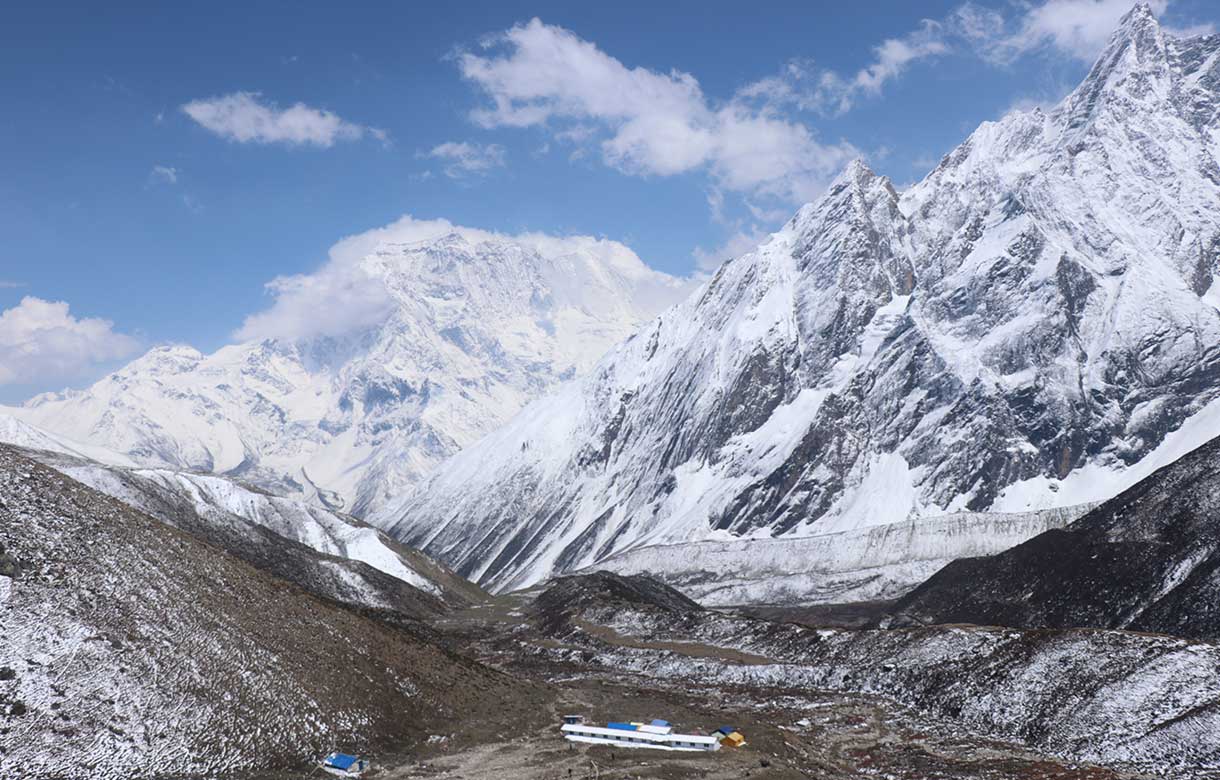
Leaving Samagaun behind, you will follow the path toward the north across open terrain stretching toward Manaslu Base Camp. Your trail climbs gradually at first, following the glacial streams and rocky moraines. The vegetation starts to become sparse, and the landscape feels increasingly stark as you climb higher. Your every step brings a noticeable change in the air and temperatures, so making a slow and steady pace is essential. The trail continues to weave across the scattered boulders and glacial debris, offering you uninterrupted views of Manaslu’s ice and rock walls.
Reaching Manaslu Base Camp feels both subtle and powerful. There are no large settlements here, only a wide and open area at the edge of the glacier. The Manaslu Base Camp area is framed by massive peaks and shifting ice. Standing here, surrounded by the scale and stillness of the Himalayas, the effort of the climb feels justified. You will spend your time around the base camp absorbing the surroundings without any rush. Remember, altitude demands respect and awareness.
Take your time to relish the atmosphere beneath the eight-highest peak in the world. Standing beneath the towering peaks in a tranquil atmosphere truly feels like you have entered a different, hidden world. After taking in the sunset views, you will then rest at the camp, enjoying the warm meals prepared by your team under the starry sky.
Max. Elevation:4800
Duration:5 to 6 hours
Distance:12km
Day 09
Trek back to Samagaun (3,530m/ 11,581ft) from Manaslu Base Camp: 4 to 5 hours
Your return journey from the Manaslu Base Camp begins with a careful descent, retracing the route across moraine fields and rocky sections. Moving downhill feels physically easier, but you need to be careful with your footing as the terrain can be uneven and exposed. As altitude drops, breathing becomes noticeably more comfortable, and your body begins to relax after the previous day’s exertion.
The landscape slowly softens as you descend. Glacial ground gives way to alpine meadows, and small streams reappear along the trail. With each step back toward Samagaun, the environment feels more familiar, and the trail feels quietly reassuring. Arriving at Samagaun carries a sense of completion as the village welcomes you back with its stone houses and open fields. This is a warm night to rest and recover after reaching the base of the eighth-highest mountain in the world.
This return day from the major highlight of the Manaslu Base Camp Trekking is about reflection, movement, and processing the experience. It is also time to prepare both mentally and physically for the next major segment of the world-renowned circuit route.
Max. Elevation:3530
Duration:5 to 6 hours
Distance:12km
Day 10
Samagaun to Samdo (3,875m/ 12,713ft): 4 to 5 hours
After leaving Samagaun, you will continue walking on the Manaslu Circuit Trek route, following the upper reaches of the Budhi Gandaki. The walking feels noticeably slower, not because of the steep climb,s but due to the altitude and open terrain. The stone houses and cultivated fields thin out as you walk farther from the village. The surrounding is replaced by wide pasture where yaks graze, and prayer flags mark the important points along the route. The path remains gentle and gradually rises past the old mani walls and chortens.
The sense of isolation increases with every step, and the surrounding peak feels closer and more exposed. You will continue walking on the calmer path braided alongside a river that weaves across the valley floor. Then, you will finally arrive at Samdo Village, which is tucked beneath the towering slopes near the Tibetan border. This village feels exposed and is shaped by wind, altitude, and harsh high-altitude climate. You will arrive at Samdo in the afternoon and will have sufficient time to rest and acclimatize further.
Max. Elevation:3875
Duration:3 to 4 hours
Distance:8.2km
Day 11
Trek to Dharmashala (4,460m/ 14,632ft): 4 to 5 hours
Today, you will head toward the final stop before the Lakre La. The trail leaving Samdo climbs steadily as the valley narrows and the landscape becomes increasingly stark. The vegetation is replaced by rocky ground and glacial remnants, signaling the proximity to the high pass. As the trail gains height, the views open toward rugged mountain walls and distant glaciers. The sense of remoteness is profound, with no permanent settlements along the way.
Then, the path gently contours across the valley before making its final approach to Dharmashala, which is also known as Larkya Phedi. Dharmashala sits on a barren plateau beneath the looming Larke La Pass. The atmosphere here is stark and purposeful, with limited facilities, and you will have a clear focus on rest and preparation. You can spend the afternoon exploring the foothills of the pass and preparing for the tough climb the next day.
Max. Elevation:4460
Duration:4 to 5 hours
Distance:11.7km
Day 12
Trekking to Bimthang (3,590m/ 11,778ft) via Larke La Pass (5,106m/ 16,751ft): 8 to 10 hours
This is one of the most thrilling and exciting parts of the Manaslu Base Camp Trek itinerary. Your day begins before sunrise, as you make an approach to the pass early in the morning to avoid afternoon high winds. The initial climb toward Larke La Pass is gradual but relentless. You will follow a faint trail across rocky ground and patches of snow, depending on the season. Your every step on the trail demands focus, as the altitude and cold test both endurance and mental resolve.
As the trail climbs higher, the landscape becomes vast and otherworldly. Glaciers stretch across the horizon, and towering peaks such as Himlung Himal and Cheo Himal dominate the skyline. Reaching the top of Larke La Pass is a powerful moment. It is marked by prayer flags fluttering in the wind, and you will be able to enjoy the expansive views of mountains in every direction. After enjoying the views, you will make your descent across snowfields and loose moraine before easing into alpine meadows. As altitude decreases, the terrain gradually softens, and the valley opens into a wide, glacial basin.
Bimthang appears in the distance, set against dramatic mountain walls and open pastureland. Arriving in Bimthang after a demanding day of adventure feels deeply rewarding. The air feels fresher, and the movement feels easier; the surrounding landscape also offers a sense of relief and openness after the demanding portion. This day’s trek marks the successful crossing of Larke La Pass and your transition toward the gentler landscapes of the lower valleys ahead.
Max. Elevation:3590
Duration:7 to 8 hours
Distance:24.7km
Day 13
Trek to Tilje (2,262m/ 7,421ft): 6 to 7 hours
You will leave Bimthang after a warm breakfast, enjoying the views of the alpine valley and the towering giants. The trail descends steadily through a landscape that feels noticeably warmer and greener. Alpine terrain slowly gives way to forested slopes as the path winds through open pastures and glacial valleys. The trekking route then leads you through rhododendron and pine forests, where the sound of flowing streams replaces the moraine debris underfoot.
Along the way, you will pass Gho Village, nestled among trees. You can take a brief pause here before continuing your trek downhill across wooden bridges and shaded paths. As your descent continues, the valley narrows down, and the trail finally approaches Tilje. This village sits amidst the cultivated terraces and flowing water. Tilje has stone houses and traditional architecture, which reflect the blend of the Himalayan influence in the lower valley. Your arrival here also marks the transition point from the high alpine world toward the more inhibited and connected regions.
Max. Elevation:2262
Duration:7 to 8 hours
Distance:26.3km
Day 14
Trekking to Dharapani (1,860m/ 6,102ft) and drive to Besisahar (760m/ 2,493ft): 7 to 8 hours
The trail from Tilje continues downhill along the Marsyangdi River and passes through increasingly populated areas where daily life feels more active and familiar. The trail takes you across the suspension bridges and stone steps. You will walk through the paths, weaving through forested sections and small settlements that reflect the cultural diversity of the Annapurna region. As you approach Dharapani, the atmosphere shifts noticeably. This village sits at a junction of major trekking routes and feels busier, with a mix of trekkers, locals, and plenty of teahouses.
Dharapani also marks the point where the Manaslu region merges with the Annapurna Circuit. So, it does have a sense of reconnection with the wider trekking world. From Dharapani, the journey continues by road toward Besisahar. The drive follows the river valley and descends through the terraced hills and roadside villages. This transition from trail to road is gradual and allows you time to reflect on the exhilarating journey you just completed while watching the landscape change.
Max. Elevation:760
Duration:2 to 3 hours(trek) and 3 to 4 hours(drive)
Distance:8km(trek) and 34.8km(drive)
Day 15
Drive back to Kathmandu (1,400m/ 4,593ft) from Besisahar: 7 to 9 hours
The final day of the Manaslu Base Camp Trek itinerary in Besisahar, from where you will connect with the highway network. As the vehicle moves south, the mountain slowly recedes and is replaced by rolling hills and expanding towns. This day’s drive offers you a final perspective on the landscape that you have spent days walking through, now viewed from a distance. Your driving route will first follow the Marsyangdi and later the Trishuli River, passing market towns and fertile valleys.
As you drive toward the capital valley, the contrast between the quiet isolation of the high mountains and the growing activity of the lowlands becomes increasingly clear. Arriving back in Kathmandu completes the journey. The familiar sounds and the hustle and bustle of the city feel different after spending weeks in a remote terrain. Your Samagaun to Manaslu Base Camp Trekking adventure doesn’t end with a dramatic moment but with a gradual return to normalcy. After arriving in Kathmandu, you will be transferred to your respective hotel.
Take your time to rest, take a hot shower, and enjoy the modern comforts that you missed on the mountain. In the evening, you can take a light stroll around Thamel and check out the traditional restaurants to end this day with a tasty delicacy.
Max. Elevation:1400
Duration:7 to 8 hours
Distance:175km
If the provided schedule isn't suitable for you, we can create personalized travel arrangements.
The Manaslu Base Camp Trek is described as a moderate-level Himalayan adventure. Its difficulty is not determined by a single extreme factor due to how multiple elements combine over consecutive days. This is a trek that rewards preparation, patience, and respect for altitude rather than raw speed or brute strength. From a terrain perspective, you will traverse across a diverse landscape. Your trekking trail repeatedly climbs and descends across the narrow paths carved into the hillside. Similarly, you will also need to traverse the suspension bridges, rocky ledges, landslide-prone areas, and glacial debris.
While these sections are not technical, they are physically taxing, especially over long walking days that can stretch beyond seven hours. As the trek progresses beyond Jagat and Deng, the difficulty shifts from terrain to altitude management. Although the villages along the way mark a gradual elevation gain point, you will still push for the maximum altitude of 5,106 meters (16,751 feet) at Larke La Pass. So, it is crucial to follow a well-managed pace and let your body adapt naturally to the rising altitude. The acclimatization day in Samagaun is not an optional luxury. It is a structural necessity that allows the body to adapt before pushing higher toward Dharmashala, Manaslu Base Camp, and Lake La Pass.
What makes the Manaslu Base Camp Trek more demanding than many classic treks is its remoteness. Facilities here are basic, villages are spaced far apart, and evacuation options are limited compared to more commercial routes like the Everest Base Camp Trek or Annapurna Circuit Trek. This means trekkers must be comfortable with simple accommodation, variable weather, and longer stretches without immediate support.
So, in overall, the Manaslu Base Camp Trek difficulty is at a moderate level and is well within reach for trekkers with good physical fitness. Although prior multi-day trekking experience is not mandatory, it is important to respect the mountains and follow a proper acclimatization plan. Those who approach it with realistic expectations, steady pacing, and respect for the mountains will find the challenge demanding yet deeply rewarding.
Best Time for Manaslu Base Camp Trek
Choosing the right season for the Manaslu Trek Nepal plays a major role in how the journey unfolds. Weather conditions in this region are closely tied to altitude, wind exposure, and the high crossing of Larke La Pass. So, right timing is especially important for safety, visibility, and overall trekking experience. Spring (March to May) and autumn (September to November), in overall are considered the most suitable and best time for Manaslu Base Camp Trek.
Spring is widely considered one of the best seasons for this trek. As the winter snow gradually melts, the trails become accessible, and the landscape begins to come alive. The lower sections of the trail are filled with blooming rhododendron and other wild flowers. While at the higher elevations, you will be able to enjoy clear mountain views under stable morning skies. Likewise, temperatures are generally comfortable during the day. However, night remains cold at high altitude, so you will need warm layers and a reliable sleeping bag. There can be some remnant of winter snow near the Larke La Pass. Although it adds little challenge, it can be an enhancing alpine experience for well-prepared trekkers.
As for autumn, it is the most popular and reliable trekking season in Nepal. This season comes after the monsoon clears the atmosphere, and you can expect crisp air. The visibility also reaches its peaks during this season for you to enjoy stunning Himalayan panoramas. Likewise, the trail conditions are at their most stable during this period. You also don’t need to worry about transport delays or cancellations if you are planning your trek in this season. As the risk of snowfall is low at Larke La, you can cross the pass more comfortably. In overall, this fall season offers the best balance between weather stability, trail safety, and panoramic Himalayan views.
What About Other Seasons?
If you are curious about whether you will still be able to do the Samagaun to Manaslu Base Camp Trek during the off-season, like monsoon (June to August) and winter (December to February), it is possible, but the trek comes with extra challenges. In the winter season, while the lower valleys remain accessible, heavy snowfall in the upper sections often blocks the Larka La Pass crossing. So, it will be technically difficult to complete the full circuit trek. But you can still trek to Manaslu Base Camp with the right gear and support. Temperatures drop significantly, lodges may close at the higher part of the trail, and strong winds increase exposure at higher elevations.
So, winter trekking is only suitable for highly experienced trekkers with flexibility and proper cold-weather gear. As for the summer/monsoon season, it is considered the least favourable time for trekking in Nepal. Heavy rainfall affects the lower trails with mud, leeches, and landslide risks. And, the cloud constantly covers the sky, limiting the mountain views. Although the upper Manaslu region lies in a partial rain shadow zone, access to roads and the lower section of the Manaslu Base Trek route can be unreliable. So, this season is generally avoided unless trekkers are specifically seeking solitude and are prepared for the challenging terrain conditions.
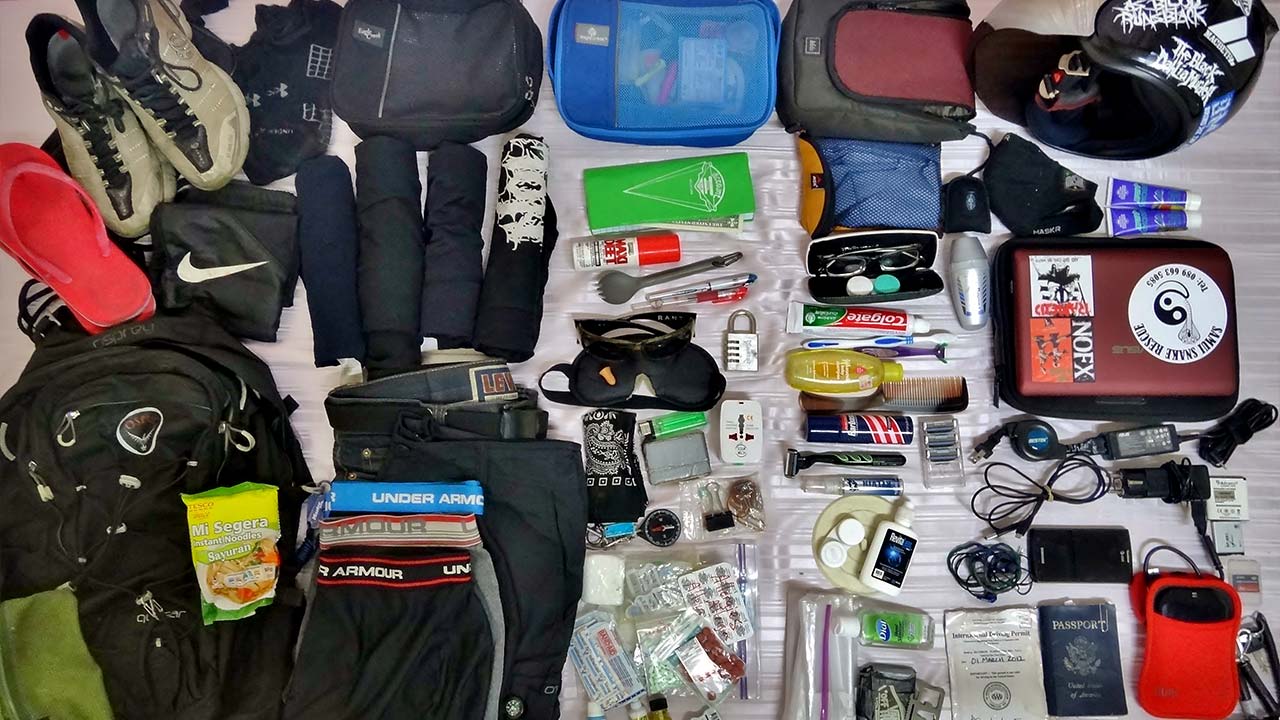
Packing List for Manaslu Trek Nepal
You should not take the Manaslu Base Camp Trek as a casual teahouse walk. This journey takes you across subtropical river valleys to the high alpine terrain and a high Himalayan pass over 5,000 meters. So, cold wind, snow, long walking, and isolation are the real factors that you have to deal with. As the village becomes sparse after Sama Gaun, the supplies are limited, and the weather can change without any warning.
Because of this, your Manaslu Base Camp Trek packing list needs to be precise, purposeful, and altitude-appropriate. Make sure every item in your bag has value and will aid you during this off the beaten path treks in Nepal. Here is the packing list suggestion structured to avoid confusion, and it covers exactly what you need for comfort, safety, and efficiency on the trail.
Clothing
Lightweight quick-dry T-shirts
Thermal inner tops (merino or synthetic)
Mid-layer fleece jacket
Insulated down jacket
Waterproof & windproof hard shell jacket
Lightweight trekking pants
Warm trekking pants or softshell pants
Thermal inner bottoms
Waterproof over-pants
Warm woolen beanie
Sun cap or wide-brim hat
Light inner gloves
Insulated waterproof gloves
Trekking socks (wool or thermal)
Footwear
High-ankle waterproof trekking boots
Lightweight camp shoes or sandals
Sports or trainer shoes (for short walks)
Gaiters (optional)
Personal Hygiene
Toothbrush and small toothpaste
Biodegradable soap or body wipes
Quick-dry microfiber towel
Hand sanitizer
Toilet paper
Tissue paper and wet wipes
Lip balm with SPF
Moisturizing cream (dry skin is common at altitude)
Sunscreen SPF 30- 50
Personal medications
Basic medical kit
Trekking Gear
Trekking backpack
Duffel bag (for porter)
Sleeping bag (rated for at least -10°C to -15°C)
Trekking poles
Headlamp with extra batteries
Reusable water bottles (1–2 liters capacity)
Water purification tablets or a filter
UV-protected sunglasses
Power bank or spare batteries
Waterproof cover for backpack and duffel
Packing sack
Accommodation and Food During Trek
Accommodation during the Manaslu Base Camp Trek is simple but comfortable. You will stay mainly at the local teahouses along the trekking trail. These teahouses are family-run lodges that offer basic rooms with twin beds, mattresses, pillows, and blankets. As the trek takes you to the higher and remote grounds, the facilities become more basic, and rooms can get colder, especially at night. That’s why you are recommended to bring a sleeping bag rated for at least -10°C to -20°C. Hot showers, charging facilities, and Wi-Fi are available at the lower villages, but you will have to pay extra to use these services.
As for the food during the trek, it is freshly prepared and surprisingly varied, considering the remoteness of the region. Most teahouses offer a standard trekking menu that includes traditional Nepali meals like dal bhat (rice, lentil soup, vegetables), which is filling and provides the energy needed for long walking days. You will also find items such as noodles, fried rice, soups, pasta, potatoes, eggs, pancakes, and Tibetan bread. As altitude increases, food options may become more limited, and prices can get higher due to transportation difficulties.
Normally, it is recommended that you eat meals at the same teahouse where you stay overnight, as this supports the local community and ensures better service. Drinking plenty of fluids and choosing freshly cooked meals is important for maintaining energy and staying healthy throughout the journey.
Training and Preparation
Proper physical and mental preparation is an absolute essential for completing this moderately difficult Manaslu Base Camp Trek comfortably and safely. Although the trekking route does not involve technical portions, it involves long walking days, steep ascents and descents, and continuous trekking at higher altitudes. So, building your cardiovascular endurance through activities such as hiking, jogging, cycling, or stair climbing will help you prepare your body for sustained effort. For strength training, legs, core, and shoulders are also important, especially for carrying a daypack and maintaining balance on uneven terrain.
Equally important is mental preparation. The Manaslu region is remote, and trekking days can be physically demanding, with limited facilities and changing weather conditions. Mental resilience will help you stay motivated during long walks, adapt to basic accommodations, and remain patient when there is a necessity for flexibility while dealing with unforeseen circumstances. Maintaining a positive mindset, pacing yourself, and focusing on gradual progress rather than speed greatly enhances the overall trekking experience.
Being mentally prepared to walk for several hours each day, accepting simple comforts at the remote corners of the mountain, and embracing the slow rhythm of mountain life allows you to fully enjoy the natural beauty and cultural richness of the Manaslu region.
Necessary Permits
Although the Manaslu Base Camp Trek is less crowded and more remote than many classic trekking routes in Nepal, this Himalayan adventure takes you through protected and restricted regions where permits are mandatory. These permits play an important role in preserving the natural environment, regulating trekking activities in sensitive areas, and supporting local communities. For this reason, it is best to arrange all permits in advance through Kathmandu.
Required Permits for Manaslu Base Camp Trek
Manaslu Restricted Area Permit (MRAP)
Manaslu Conservation Area Permit (MCAP)
Annapurna Conservation Area Permit (ACAP)
The restricted area permit is the most important requirement, as the Manaslu region is classified as a restricted trekking zone. This permit helps regulate the number of trekkers and ensures responsible tourism in this remote Himalayan area. This permit is only issued to a registered trekking agency and requires trekking with a licensed guide. Similarly, the Manaslu Conservation Area Permit contributes to the protection of forests, wildlife, and cultural heritage within the Manaslu region.
After completing the Manaslu Circuit route, your trail later connects with parts of the Annapurna region. So, Annapurna Conservation Area Permit is also required to legally complete the trek. All of the necessary permits for the trek are generally arranged by your trekking agency before the trek.
Is This Trek Suitable for Beginners?
The Manaslu Base Camp Trek can be suitable for well-prepared beginners. But, this journey is ideally best for the trekkers who are physically fit, mentally prepared, and have some prior trekking experience. Unlike shorter or more popular treks, the Manaslu region is remote and involves longer walking days, higher altitudes, and limited facilities along the way. If you are a beginner with no prior trekking experience, you may find certain sections demanding, especially steep climbs and continuous ascents at higher elevations.
That said, first-time trekkers who maintain good fitness levels, prepare properly, and trek at a steady pace can successfully complete the journey. Having a guide in this restricted area trekking area ensures safety, proper navigation, and support in managing altitude-related challenges. Thus, for beginners seeking a quieter, less commercialized trekking route and who are ready to embrace both physical effort and remote mountain living, the Manaslu Base Camp Trek can be a rewarding and achievable adventure.
Manaslu Base Camp Trek Cost
The Manaslu Base Camp Trek is a more remote and adventurous journey in comparison to many popular trekking routes. So, the cost of this trek reflects the additional logistics required to access this less-traveled region. Due to restricted-area regulations, mandatory guide requirements, and limited infrastructure along the trail, the overall expense is slightly higher than standard teahouse trekking in Nepal. However, the experience offers exceptional value, combining dramatic mountain scenery, authentic village life, and a quieter trekking environment.
On average, the Manaslu Base Camp Trek costs between USD 1,200 and USD 1,800 per person. The final cost of the package is influenced by elements such as group size, trekking duration, permit fees, guide and porter services, transportation, and the level of chosen services. The restricted area permits and conservation fees also contribute to the total price, making professional planning essential for a seamless trekking experience.
For trekkers who are looking for convenience and peace of mind, an all-inclusive trekking package is the most ideal choice. The trekking packages generally cover expenses such as teahouse accommodation, all meals during the trek, required permits, ground transportation, a licensed trekking guide, porter support, government taxes, and service charges. At Eco Holidays Nepal, we offer the Manaslu Base Camp Trek at USD 1,235 per person.
Our Manaslu trekking package is thoughtfully crafted for travelers who appreciate careful organization, reliable on-ground support, and genuine cultural encounters. Eco Holidays Nepal puts a strong emphasis on safety, acclimatization, and clear pricing. We aim to make this remote Himalayan adventure both accessible and deeply rewarding experience for you.
Travel Visa
Entering Nepal for the Manaslu Base Camp Trek requires a valid tourist visa, and arranging it is generally a simple process. All foreign nationals, except citizens of India, need to obtain a tourist visa before starting their journey in Nepal. Most trekkers apply for their visa after landing in Kathmandu at Tribhuvan International Airport or when crossing through approved land border checkpoints. The procedure is straightforward if you arrive prepared with a passport valid for at least six months, a recent photograph, and the applicable visa fee.
The visa processing time is usually short, allowing trekkers to move on with their plans without delay. If you are a person who prefers completing formalities in advance, you can also apply through a Nepali diplomatic embassy or use the official online visa application. Nepal’s tourist visa is available in multiple durations, which will allow you flexibility based on your travel plans.
Tourist Visa Validity and Fees
15 Days— USD 30
30 Days— USD 50
90 Days— USD 125
A 15-day visa is sufficient for most Manaslu Base Camp trekking itineraries. However, if you wish to explore more of Nepal beyond the trek, you can extend your stay by applying for a visa extension at immigration offices in Kathmandu or Pokhara. For that, you will need to get a minimum visa extension of 15 days, which costs around USD 45.
Manaslu Base Camp Trek FAQs
Manaslu Base Camp Trek FAQs
Where is Manaslu Base Camp Located?
Manaslu Base Camp is located in the Gorkha district of northern Nepal, It is the base of Mount Manaslu, the world’s eighth-highest peak. It lies within the Manaslu Conservation Area, close to the Tibetan border, and is accessed via trekking routes.
How Long is the Manaslu Base Camp Trek?
The Manaslu Base Camp Trek typically takes 10 to 14 days, depending on your itinerary plans, acclimatization days, and starting or ending points. Some routes combine sections of the Manaslu Circuit, which makes your trek slightly longer.
What is the Best Time to Do the Manaslu Base Camp Trek?
The best time to trek to Manaslu Base Camp is during the spring (March to May) and autumn (September to November) seasons. These seasons offer stable weather, clear mountain views, and comfortable trekking conditions.
Is the Manaslu Base Camp Trek Difficult?
The trek is considered moderate level trek in the Himalayas. It involves long walking days, steep ascents, and trekking at higher altitudes, but there is no technical climbing. With proper preparation and a steady pace, this trek is manageable for well-prepared trekkers.
What is the Maximum Altitude of the Manaslu Base Camp Trek?
The maximum altitude reached during the trek is approximately 4,800 meters (15,750 feet) at Manaslu Base Camp, making acclimatization and gradual ascent important. If the Manaslu Circuit Trek route is included in your itinerary, you will push for the maximum altitude of 5,106 meters (16,751 feet) at Larke La Pass.
How Much Does the Manaslu Base Camp Trek Cost?
The cost of the Manaslu Base Camp Trek generally ranges from USD 1,200 to USD 1,800 per person. The actual cost may vary based on group size, trek duration, permits, guide and porter services, and transportation.
Do I Need a Guide for the Manaslu Base Camp Trek?
Yes, a licensed guide is mandatory for this restricted area trekking experience. Trekkers must travel through a registered trekking agency, and solo trekking is not permitted in this region.
What Kind of Accommodation is Available During the Trek?
The accommodation is mainly in local teahouses, which offer basic but comfortable rooms with twin beds and shared facilities. As altitude increases, amenities become simpler, and heating options are limited.
How Physically Fit Do I Need to Be for This Trek?
You will need a good level of physical fitness to do the Samagaun to Manaslu Base Camp Trek. Trekkers should be comfortable walking 5 to 7 hours per day on uneven terrain. Regular cardio and leg-strength training before the trek is also highly recommended.
Is Altitude Sickness a Concern on the Manaslu Base Camp Trek?
During the Manaslu Base Camp Trek, altitude sickness can be a concern due to the high elevation. This, following a proper acclimatization schedule, staying hydrated, and ascending gradually can help reduce the risk.
How is the Trail Condition on the Manaslu Base Camp Trek?
The Manaslu Base Camp Trek route is a mix of stone steps, forest paths, suspension bridges, and rocky sections. While it is generally well-defined, some parts can be narrow or rough, especially in remote and higher-altitude areas.
I searched on the web to find the best place for trekking and I found many options but Manaslu Mountain looked absolutely gorgeous. So I planned to do the Manaslu Base Camp trek.
I contacted to ecoholidaysnepal Mr. Dhruba for this trek, and he guided me through everything.
During the trek, my guide was Sunil, and he helped me a lot. I think this was the best trek and a once-in-a-lifetime experience for me.
Special thanks to Mr. Sunil, the entire Eco Holidays team, and the Managing Director of Eco Holidays Nepal Mr. Dhruba, for their excellent service and support.