Request your free brochure for adventure inspirationOrder Now
Eco Holidays Nepal
  • Dhurba Dharel
    Whatsapp, Viber 977 9851136074
  • Quick Questions?Email Us
  • Certificate ofExcellence 2025
    • Trekking in Nepal
      • Everest Region Trekking
      • Annapurna Region Trekking
      • Langtang Region Trekking
      • Other Region Trekking
    • Nepal Tour
      • Everest Mountain Flight - 1 days
      • Upper Mustang Photography Tour - 13 days
      • Luxury Tour in Nepal - 5 days
      • Rara Lake Helicopter Tour - 6 days
      • Jomsom Muktinath Photography Tour - 6 days
      • Best Tour in Nepal - 9 days
      • Everest Base Camp Private Helicopter Tour - 1 days
      • Jomsom Muktinath Tour - 8 days
      • Langtang Heli Tour - 1 days
      • Everest Base Camp Landing Helicopter Tour - Group Sharing - 1 days
      • Nepal Luxury Tour - 9 days
    • Day Tour and Hiking
      • Day Tour
      • Patan and Bhaktapur Day Tour - 1 days
      • Champadevi Hiking - 1 days
      • Namobuddha Hiking - 1 days
      • Kathmandu City Tour - 1 days
      • Nagarkot Hiking - 1 days
      • Dhampus Day Hiking - 1 days
      • Sarangkot Day Hiking - 1 days
      • Nagarkot Sunrise Day Tour - 1 days
      • Shivapuri Day Hiking - 1 days
      • Phulchowki Day Hiking - 1 days
    • Special Holidays to Nepal
      • Honeymoon Holidays to Nepal - 11 days
      • Family Holidays to Nepal - 9 days
      • Pilgrimage Holidays to Nepal - 10 days
      • Luxury Holidays to Nepal - 8 days
    • Peak Climbing in Nepal
      • Island Peak Climbing with EBC and Kala Patthar - 20 days
      • Mera Peak Climbing - 16 days
      • Chulu East Peak Climbing - 20 days
      • Dhampus Peak Climbing - 14 days
      • Lobuche East Peak Climbing - 20 days
      • Mardi Himal Climbing - 15 days
      • Pisang Peak Climbing - 20 days
      • Yala Peak Climbing - 12 days
    • Bird Watching in Nepal
      • Chitwan Bird Watching - 3 days
      • Phulchwoki Hill Bird Watching - 1 days
      • Shivapuri Bird Watching - 1 days
    • Jungle Safari
      • Luxury Chitwan Jungle Safari - 3 days
      • Jungle Safari in Chitwan - 3 days
      • Bardiya Jungle Safari - 4 days
    • Adventurous Sports
      • Bungee Jumping in Nepal
      • Paragliding in Nepal
      • Rafting in Nepal
    • Geography of Nepal
    • Foods and Cuisines
    • People Language and Culture
    • Vehicle Hiring and Airline Ticketing
    • Embassies and Consulates
    • Altitude Sickness
    • Trekking Equipment
    • Trekking Guide and Porter
    • Trekking Seasons in Nepal
    • Responsible Tourism
    • Translator on Hire
    • Tour in Tibet
    • Trekking in Tibet
      • Shishapangma Base Camp Trek
    • Tour in Bhutan
      • Best Bhutan Tour
      • Bhutan Cultural Tour
      • Bhutan Short Cultural Tour
    • Trekking in Bhutan
      • Jomolhari Trekking
    • About Us
    • Our Services
    • Who are we
    • How Can I Book
    • Why Travel With Us
    • Terms and Conditions
    • Data of European citizen and GDPR
    • Media Partners
    • Our Team
  • Blog
  • Contact Us
Eco Holidays Nepal9851136074Whatsapp, Viber
Makalu Base Camp Trek
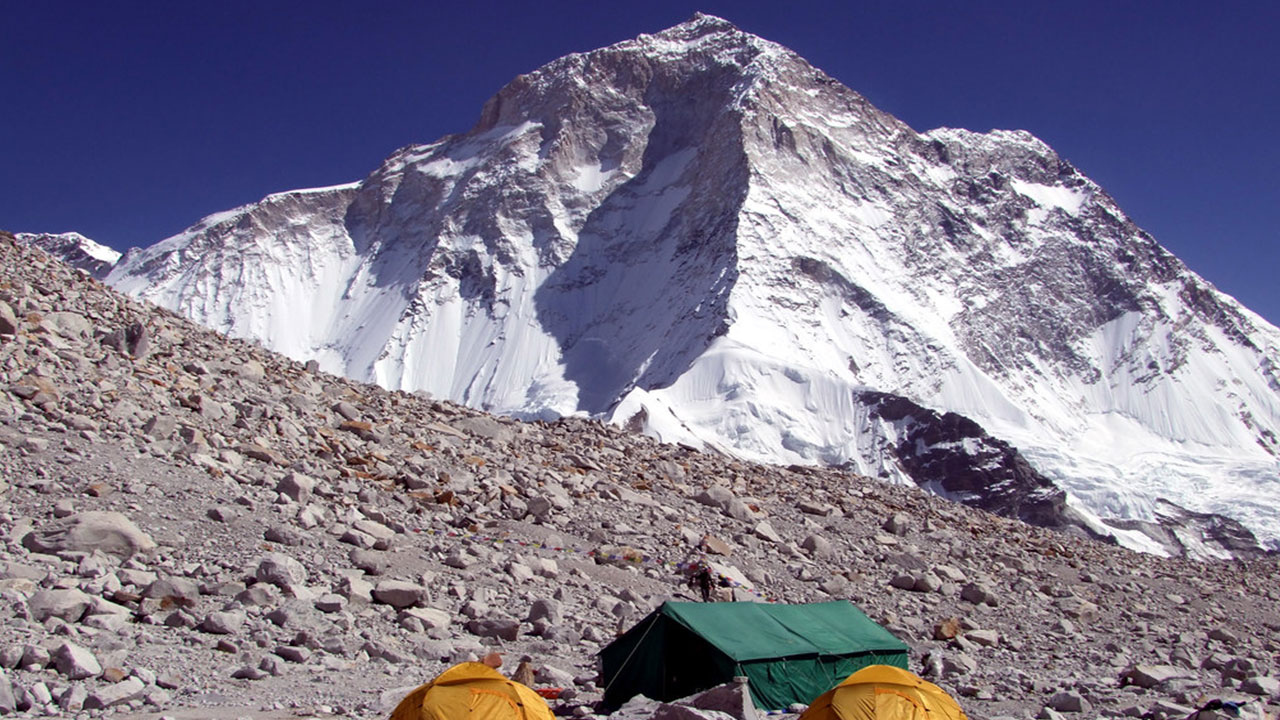
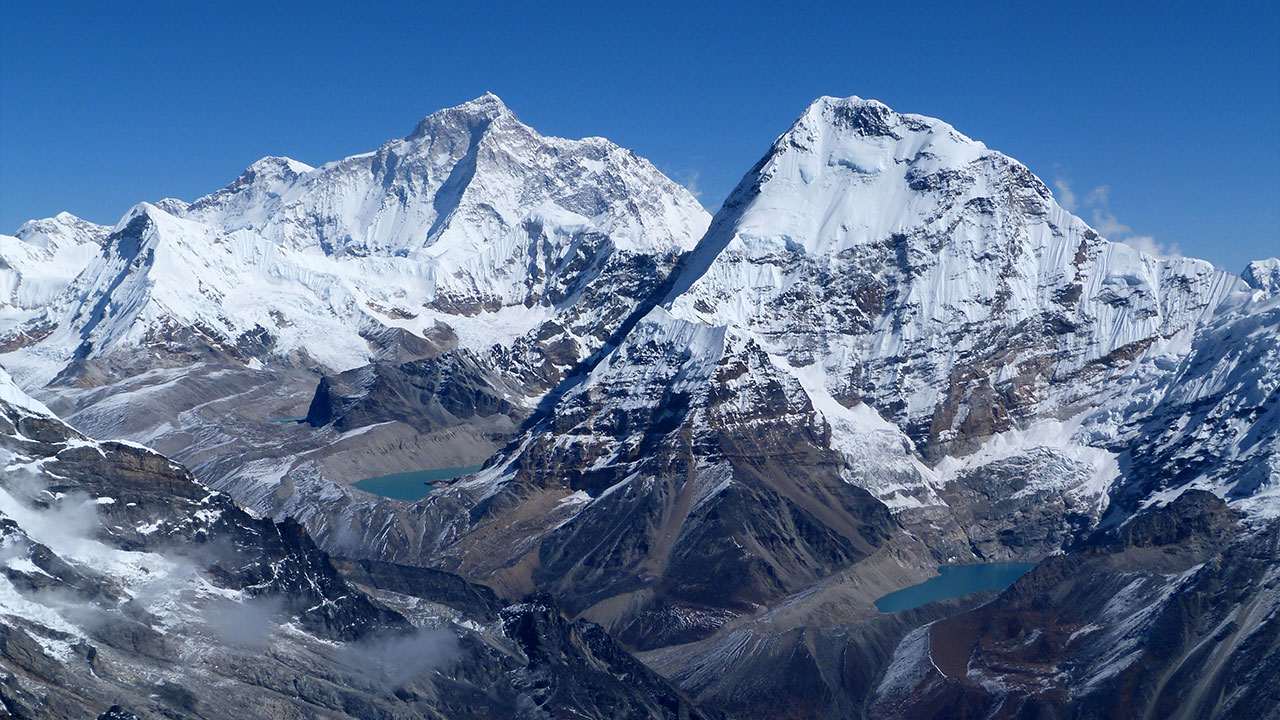
Makalu and Chamlang
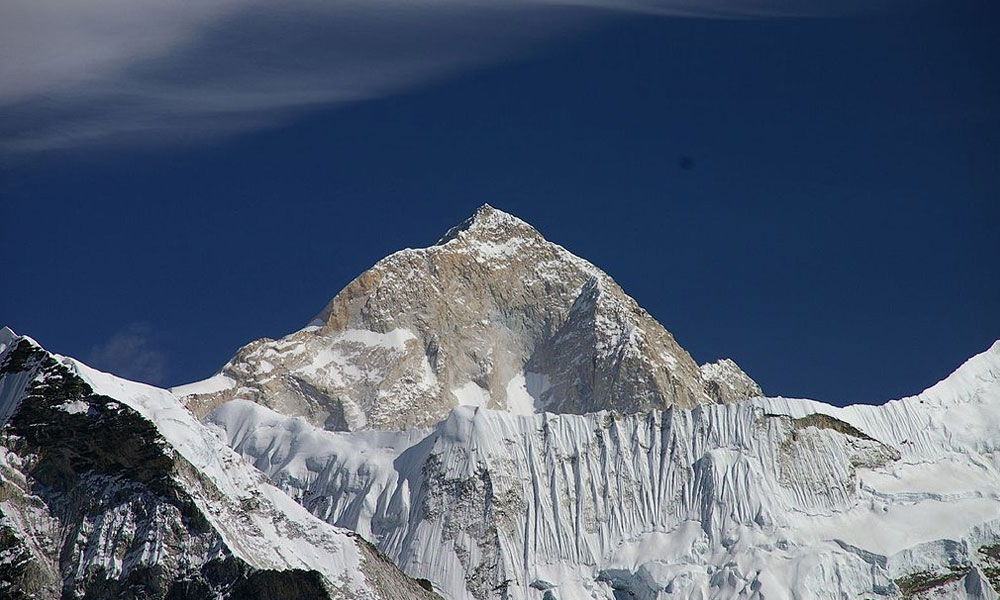
Makalu Base Camp
  1. Home
  2. Nepal
  3. Trekking in Nepal
  4. Makalu High Pass Trek
  • Overview
  • Itinerary
  • Price & Availability
  • Reviews
  • FAQs

Makalu High Pass Trek

  • 240 reviewson TripAdvisor
  • DestinationNepal
  • Duration24 Days
  • GradeStrenuous
  • ActivitiesAdventure Trekking
  • AccommodationTea House
  • Group SizeMin. 1 Pax
  • VehicleLocal Transports
  • MealsBreakfast, Lunch and Dinner
  • Trip ModeIn Hotels in Kathmandu with local lodge and camping on treks
  • Trekking areaNepal Far North East Himalaya around Sankhuwasabha district to Khumbu areas at Everest region.
  • Highest AltitudeSherpani Col 6,180 m / 20,270 ft, West Col at 6,190 m /20,303 ft and Amphu Lapcha Pass 5,850 m/19,188 ft to reach Everest area.
  • TransportScenic flights from Kathmandu with exciting drive to start the treks from Sankhuwasabha district.
  • Trek Duration20 Nights and 21 Days (includes flights with drive to start the walks)

Highlights of Makalu High Pass Trek

  • “An adventure trekking in Nepal in between high giant peaks of Nepal Mid and Far East Himalaya.
  • Traverse over high pass from Makalu to Everest region via Sherpani / West Col.
  • Within scenic Arun and Barun valleys with exciting views on daily walks.
  • Explore remote isolated farm villages of Nepal Far East Himalaya region.
  • On least and rarely explored areas of Makalu to Everest within scenic Khumbu.
  • Adventure from green dense forest to remorseless fields of ice and glaciers”

Trip Overview

Makalu HIgh pass trek

A great Himalaya adventure crossing Sherpani and West Col to Everest region’

The Makalu High Pass Trek is not just another trek in the Himalayas. It is a raw and untamed journey that pulls you deep into one of Nepal’s wildest and most isolated corners. These sections are quieter, the mountains feel taller and quieter, and every step you take carries an expedition energy despite being a trekking route. Unlike the mainstream routes of the Everest and Annapurna region, the Makalu region demands patience, strength and mindset for a real alpine adventure. This journey unfolds slowly through the terraced villages and deep valleys.

Then, the landscape starts to shift dramatically as you climb higher into the barren and wind-sculptured world of the high Himalayas. While moving along with the Makalu High Pass Trek route, you will cross the three legendary passes in the Himalayas: Sherpani Col Pass (6,110m/ 20,045ft), West Col Pass (6,135m/ 20,127ft), and Amphu Lapcha (5,845m/ 19,176ft). These are not the simple passes like the more familiar passes in the Annapurna and Manaslu Circuit routes. All three of these passes are considered the high-altitude gateways that require rope work, glacier travel and determination to conquer truly remote terrain, a true expedition-style adventure.

This trek is built for the trekkers who crave more than scenic trails. It is for those who want a true challenge, the true silence, true isolation and the true sense of moving through a world that is secluded from modernity. Makalu High Pass Trek delivers a journey that is physically demanding, mentally sharpening and deeply rewarding. It is in no way an ordinary route. It is an experience that redefines what a Himalayan trekking adventure in Nepal can feel like.

See more:

  • Everest Base Camp Trek 
  • Gokyo Lakes Trek
  • Everest Base Camp Private Helicopter Tour

Makalu High Pass Trek Itinerary (Outline) 

Day 01: Arrival in Kathmandu (1,400m/ 4,593ft) and hotel transfer

Day 02: Preparation day in Kathmandu and optional city exploration

Day 03: Fly to Tumlingtar (477m/1,564ft) and drive to Khadbari (278m/ 912ft): 45 minutes (flight) and 1 hour (drive)

Day 04: Trek from Khadbari to the small hill village of Chichila (1,980m/ 6,496ft): 6 to 7 hours

Day 05: Continue trekking to Num (1,497m/ 4,911ft): 5 to 6 hours

Day 06: Num to Seduwa (1,530m/ 5,019ft) trek: 5 to 6 hours

Day 07: Trek through forested terrain to Tashi Gaon (2,100m/ 6,889ft): 5 to 6 hours

Day 08: Steady uphill ascent to Kauma Danda (3,470m/ 11,384ft): 5 to 6 hours

Day 09: Kauma Danda to Mumbuk (3,570m/ 11,712ft): 6 to 7 hours

Day 10: Enter Barun Valley and reach Nehe Kharka (3,700m/ 12,139ft): 6 to 7 hours

Day 11: Trek to the open plains of Shershong (4,615m/ 15,141ft): 6 to 7 hours

Day 12: Trekking to remote Makalu Base Camp (4,870m/ 15,977ft): 3 to 4 hours

Day 13: Acclimatization and exploration day at MBC

Day 14: MBC to Swiss Base Camp (5,150m/ 16,896ft): 5 to 6 hours

Day 15: Trekking to Sherpani Col Base Camp (5,700m/ 18,700ft): 5 to 6 hours

Day 16: Rest and preparing for crossing the high pass

Day 17: Cross the Sherpani Col Pass (6,110m/ 20,045ft) and descend to Baruntse Base Camp (5,400m/ 17,716ft): 7 to 8 hours

Day 18: Trek over West Col (6,135m/ 20,127ft) to reach Amphu Lapcha Base Camp (5,650m/ 18,536ft): 5 to 6 hours

Day 19: Amphu Base Camp to Chukung (4,730m/ 15,518ft) via Amphu Lapcha Pass (5,845m/ 19,176ft): 7 to 8 hours

Day 20: Trekking from Chukung to Pangboche (3,900m/ 12,795ft): 4 to 5 hours

Day 21: Pangboche to Namche Bazaar (3,440m/ 11,286ft): 6 hours

Day 22: Trekking to Lukla (2,860m/ 9,383ft): 6 to 7 hours

Day 23: Fly back to Kathmandu (1,400m/ 4,593ft): 35 minutes

Day 24: International Departure

Cost Details

What's Included in Makalu High Pass Trek

  • Airport picks up and drops by private vehicles.
  • Three nights Hotel in Kathmandu on twin sharing basis.
  • Necessary transports during trek.
  • Kathmandu – Tumlingtar and Lukla – Kathmandu flights.
  • A professional Climbing Guide.
  • Necessary staff likes Cook, Porter and helper.
  • Three meals per day during trek provided, which food cooked by our cook.
  • Necessary tents and cooking stuffs for camping.
  • Makalu Barun and Everest National park permit.
  • Staffs food, Clothing, salary and strong insurance.
  • First aid kit box with Ox-Meter.
  • Necessary Sleeping Bags and Duffel bag if you don’t have to be return after complete trek.
  • Necessary equipments like Main Rope, Ice Axe and Helmet.

What's Excluded in Makalu High Pass Trek

  • Your personal expenses.
  • Personal equipments.
  • All kind of soft and hard drinks.
  • Extra night hotel in Kathmandu.
  • If need extra day during trek then cost $220 per day.
  • Tips for Guide and other staff.

Price & Availability

US $3850
Book this Trip

Itinerary of Makalu High Pass Trek - 24 days

Day 01

Arrival in Kathmandu (1,400m/ 4,593ft) and hotel transfer

Your journey on the Makalu High Pass Trek, one of Nepal’s most remote Himalayan terrain begins the moment you step out of Tribhuvan International Airport (TIA). Kathmandu might sit at just 1,400 meters, but the energy you can feel here already hints at the mountains waiting ahead. The airport area can feel chaotic at first, but once you meet the representative from Eco Holidays Nepal, the transition becomes smoother. 

A short drive from the airport through the lively streets will lead you to your hotel in Thamel. Take your time to adjust to the environment and relax after the long flight. You can then take a short stroll across the lively streets of Thamel and visit our office for a short trek briefing. This day is for settling in and soaking in the rhythm of this beautiful capital before taking off to join the eastern Himalayan route. 

  1. Max. Elevation:1,400
  2. Duration:20 minutes
Day 02

 Preparation day in Kathmandu and optional city exploration

Your second day in the Makalu High Pass Trek Itinerary keeps things light but important. This is your time to complete trek preparations, check your clothes, make sure you have the right gear and confirm all essentials are in order. Since the Makalu region is far more remote than the standard trekking route, preparing adequately makes a huge difference.

Once your preparations are sorted out, you will have the rest of the day to explore Kathmandu’s cultural sites. Many trekkers take a short stroll around the Thamel area on this day. If you want, you can also explore the UNESCO World Heritage sites like Swayambhunath, Boudhanath, Pashupatinath Temple, or Kathmandu Durbar Square. By evening, the excitement starts to build up. Tomorrow, you will leave the vibrant buzz of Kathmandu to join the rural foothills of the Makalu High Pass Trek route. 


  1. Max. Elevation:1,400
Day 03

Fly to Tumlingtar (477m/1,564ft) and drive to Khadbari (278m/ 912ft): 45 minutes (flight) and 1 hour (drive)

Your morning starts on this day with a short but scenic flight to Tumlingtar from Kathmandu. Unlike Lukla or Jomsom Airports, this airstrip lies in the lower hills. So, the flight will feel calmer and grounded as you will get a chance to admire the beauty of the lush, diverse landscape in Nepal. As you make your descent to Tumlingtar, you will see the Arun Valley stretching to the horizon. 

After stretching your legs and admiring the beauty that feels different from the hilly region, you will then begin your driving journey. From Tumlingtar, a one-hour drive on the winding road will take you to Khadbari. This is a lively hill town and a major administrative center of the region. This is where your Makalu High Pass Trekking starts to feel real. Khadbari is not just a place to sleep tonight; this will be your cultural introduction to eastern Nepal. 

  1. Max. Elevation:278
  2. Duration:45 minutes(flight) and 1 hour(drive)
  3. Distance:185km(flight) and 15km(drive)
Day 04

Trek from Khadbari to the small hill village of Chichila (1,980m/ 6,496ft): 6 to 7 hours

This is the first trekking day of the Makalu High Pass Trekking, it is a perfect warm-up introduction to the Makalu region. After leaving Khadbari, you will follow the trail that first passes small settlements and terraced farmlands. Along the way, you will encounter villages like Bhotebas and Manebhanjyang. Each of these villages offers a glimpse into rural life in the countryside. The route then gradually starts to climb, but the terrain remains friendly, weaving through forest patches and scattered houses overlooking the Arun Valley. 

As you gain elevation, the air becomes cooler and the landscapes start shifting from subtropical greenery to a mix of pine forest and mountain terrain. By the time you arrive at Chichila, a charming hill village perched on a ridge, the scenery opens up beautifully. This settlement is peaceful, with traditional houses and quiet surroundings, making it a perfect first overnight spot on the trekking stretch. Chichila also feels like the gateway to the real Makalu wilderness that is about to unfold in the coming days. 

  1. Max. Elevation:1,980
  2. Duration:6 to 7 hours
  3. Distance:25km
Day 05

Continue trekking to Num (1,497m/ 4,911ft): 5 to 6 hours

After leaving Chichila, the trail rises gently through lush forested ridges. As you traverse the scenic trekking route, you will notice how the air feels fresher here. This stretch is a mix of pine and oak, and creates the classic mid-hill fragrance. Along the way, the path passes through small hamlets and scattered terraced farms. Locals from surrounding villages often use this trail for daily travel. So, you will meet shepherds, farmers, and school kids as you walk on the route. 

The final portion to Num becomes more open as the trail ascends to a ridge. Num is perched on a narrow spine that overlooks the deep gorge of the Arun River. This is a lively settlement compared to previous stops. You will find a mix of local houses and small tea shops here. From  Num Village, you can already see Seduwa on the opposite side, your destination for tomorrow.


  1. Max. Elevation:1,497
  2. Duration:5 to 6 hours
  3. Distance:8.9km
Day 06

Num to Seduwa (1,530m/ 5,019ft) trek: 5 to 6 hours

Today is one of those classic days in the Makalu High Pass Trek Itinerary. After enjoying breakfast in Num, you will follow the trail that drops sharply down to the Arun River. The trekking path zigzags across the forest and farmlands. You will pass a few isolated houses and resting spots along the way. But for the most part, the terrain feels quiet and untouched. Once you reach the riverbank, a small bridge will mark the halfway point of this day’s trek. From here, you will make your gradual ascent toward Seduwa.

The trail climbs through terraced fields and lush woodlands. The region becomes more human again as you approach Seduwa. This is the official entrance to Makalu-Barun National Park. Seduwa is an important checkpoint, and it marks your entry into a protected zone of the Makalu Himal region. 


  1. Max. Elevation:1,530
  2. Duration:5 to 6 hours
  3. Distance:8km
Day 07

Trek through forested terrain to Tashi Gaon (2,100m/ 6,889ft): 5 to 6 hours

Leaving Seduwa, you will follow the trail that moves above the Barun River valley. You will pass through farmland, bamboo groves, and traditional houses scattered along the hillside. The trek on this day of your Makalu High Pass Trek is gradual at first. Your legs will get a gentle start after yesterday’s big ascent. The route then becomes a mix of forested sections and open terraced fields as you make your way towards Tashi Gaon.

This is considered a special transition point. Beyond Tashi Gaon, the settlements become sparse, and the trek enters the higher and more rugged section of the Makalu region. Tashi Gaon sits among terraced slopes and offers stunning views of the lower valley. 


  1. Max. Elevation:2,100
  2. Duration:5 to 6 hours
  3. Distance:8km
Day 08

Steady uphill ascent to Kauma Danda (3,470m/ 11,384ft): 5 to 6 hours

This day of your Makalu High Pass Trek itinerary marks the start of your true climb into the high mountains. You will Tashi Gaon after breakfast and follow the trail heads straight into the forest. You will pass through rhododendron woods and moss-covered trunks as you climb higher. In the stretch of the higher altitude, the forest gradually starts to thin out and the terrain turns more alpine. You will continue your climb past a few traditional herder shelters; there are no major villages beyond Tashi Gaon in this section. 

As you move higher, the views become increasingly dramatic with every step. Kauma Danda sits on an open ridge and offers panoramic scenery. This is a strategic acclimatization zone where trekkers can rest, adapt to the rising altitude and prepare for the even higher passes ahead. 


  1. Max. Elevation:3,470
  2. Duration:5 to 6 hours
  3. Distance:7.2km
Day 09

Kauma Danda to Mumbuk (3,570m/ 11,712ft): 6 to 7 hours

The trail from Kauma Danda climbs through open meadows leading toward Shipton La. Today, you will cross several small passes. This part of the Makalu High Pass Trek route is considered one of the most scenic sections of the lower alpine zone. Your evey step opens up views toward snowy peaks and sweeping valleys. The route feels remote and raw, with no settlements, but you will occasionally pass a few shepherd huts used seasonally. 

This area is known for its high-altitude lakes and undulating rocky terrain. After crossing the final ridge, the path then drops steeply into a forested trail toward Mumbuk. This high-altitude village is surrounded by fir trees and cliff walls. Mumbuke feels like a tranquil small village that is secluded from the rest of the world. This is an important rest point before you dive deep into Barun Valley. 

  1. Max. Elevation:3,570
  2. Duration:6 to 7 hours
  3. Distance:16km
Day 10

Enter Barun Valley and reach Nehe Kharka (3,700m/ 12,139ft): 6 to 7 hours

After leaving Mumbuk Village, you will walk on the trail that drops sharply through dense forest toward the narrow entrance of the Barun Valley. This descent can feel damp and shadowy as you traverse the thick forested stretches. Once the forest opens up, the valley starts to widen. The vegetation gradually thins out, and towering rock walls stretch on both sides of the trail. You are now entering the Barun Valley, one of the raw and untouched valleys in Nepal.

Along the trekking stretches, there are villages, just seasonal pastures and isolated herder shelters. You will then continue following the Barun River upstream on a terrain of mixed rocks and wide meadows. After several hours of gradual ascent, you will arrive at Nehe Kharka. This is a beautiful open pasture that is used by herders during warmer months. Nehe Kharka feels peaceful and wild; it is surrounded by high cliffs and thin forests.   

  1. Max. Elevation:3,700
  2. Duration:6 to 7 hours
  3. Distance:14km
Day 11

Trek to the open plains of Shershong (4,615m/ 15,141ft): 6 to 7 hours

From Nehe Kharka, the Makalu High Pass trek route continues deeper into the Upper Barun Valley. As you climb higher, the landscape becomes more alpine with less vegetation. You will trek along the river and cross rocky stretches and flat meadows that have been made by the glacial flow for centuries. There are no villages on today’s trail, just the vast openness of the valley. The surreal views continue to stretch as you approach the base of Baruntse and Peak 6.

The final stretch of this day’s trail brings you to Shershong. It is a broad and grassy plain that is surrounded by mountains. This is one of the last open camps before you climb higher to the harsh terrain near Makalu Base Camp. 


  1. Max. Elevation:4,615
  2. Duration:6 to 7 hours
  3. Distance:8km
Day 12

Trekking to remote Makalu Base Camp (4,870m/ 15,977ft): 3 to 4 hours

Today is a shorter but incredibly rewarding day in your Makalu High Pass Trek itinerary. From Shershong, the trail leads gradually up across rocky sections, glacial moraines, and high-altitude plains to Makalu Base Camp. The terrain on this stretch looks dry and rugged, an alpine desert. As you approach Makalu Base Camp, the sheer size of Mt. Makalu (8,485 m) dominates the skyline. The closer you get to the mountain, the more the mountain reveals its massive black rock faces and snow-clad ridges.

Makalu Base Camp is a scattered stretch that has few tea houses, used by both trekkers and occasional climbing expeditions. Despite the harsh environment, the camp has a peaceful charm. The prayer flags flutter in the wind, yaks wander nearby, and the silence of the high Himalayas feels surreal. 


  1. Max. Elevation:4,800
  2. Duration:3 to 4 hours
  3. Distance:4km
Day 13

Acclimatization and exploration day at MBC

This is a crucial altitude acclimatization day in your Makalu Himal Trekking. Today, you will do short hikes above the base camp, exploring viewpoints that offer panoramic views of Makalu, Peak 7, Peak 6, and Barun Glacier. This acclimatization hike will prepare you for the higher sections of the Makalu High Pass Trekking. Today’s acclimatization day is slow, intentional, and meant for recovery. You will stay hydrated, rest well, and give your body time to adjust to the high-altitude atmosphere.  

  1. Max. Elevation:4,800
Day 14

MBC to Swiss Base Camp (5,150m/ 16,896ft): 5 to 6 hours

After leaving Makalu Base Camp, the trekking route turns more technical and challenging. Your trekking path will follow the edge of the Barun Glacier and stretch across rocky slopes and moraines. The higher you climb, the smaller the world feels, just you, the glacier, and the towering walls of Makalu. The Swiss Base Camp is not a village or settlement but a mountaineering-style camp set on a flat and sheltered area beside the glacier.

Swiss Base Camp is rugged, cold, and exposed, precisely the kind of landscape high pass trekkers can expect. You will feel the scenery shifting from trekking terrain to a full-on expedition environment.


  1. Max. Elevation:5,150
  2. Duration:5 to 6 hours
  3. Distance:10km
Day 15

Trekking to Sherpani Col Base Camp (5,700m/ 18,700ft): 5 to 6 hours

Today’s trek is demanding both mentally and physically as you climb even higher. The trail continues across glacial debris and snow patches, where you need to be careful with your footing. As you gain altitude, oxygen levels drop, and the surrounding peaks rise dramatically on all sides. So, it is important to stay hydrated and keep yourself warm to avoid any risk related to altitude sickness. You pass no villages along the way, just ice, rock, and the raw Himalayan world. 

By the time you reach Sherpani Col Base Camp, you will be standing at one of the most remote corners of Nepal. This is the doorway to one of the highest and most challenging non-technical passes in the Himalayas. The camp is basic here. Everything feels sharper here, the cold, the wind and the anticipation of crossing the pass. This is where trekkers mentally prepare for the major crossing ahead.


  1. Max. Elevation:5,700
  2. Duration:5 to 6 hours
  3. Distance:7km
Day 16

Rest and preparing for crossing the high pass

Today is another acclimatization day in your Makalu High Pass Trek Itinerary. This rest day is not just about relaxation. It is also about the strategic preparation to cross the pass. On this day, you will review your gear and mentally prepare for the crossing of Sherpani Col, a high and demanding alpine pass. The altitude makes everything slower, so eating well, drinking enough, and conserving energy need to be your top priority. 

The camp sits in a high glacial basin and is surrounded by icy walls and snow slopes. This environment feels more like an expedition base than a trekking stop. You will turn in early for the night to start your climb early. Tomorrow marks one of the biggest days of the entire Makalu High Pass Trek route.


  1. Max. Elevation:5,700m
Day 17

Cross the Sherpani Col Pass (6,110m/ 20,045ft) and descend to Baruntse Base Camp (5,400m/ 17,716ft): 7 to 8 hours

This is one of the biggest days of the entire trek; this day’s adventure is long, technical, and unforgettable. From Sherpani Col Base Camp, you will move along the trail that rises sharply toward the glacier. You will then traverse across snow, ice, and mixed terrain under towering walls of Makalu and Baruntse. The climb to Sherpani Col is steep and demanding; you may be required to use fixed ropes depending on conditions. As you reach the top of the pass, you will be greeted with a panorama of glaciers and ice fields that feel almost Antarctic. 

From the top of the pass, you will be able to relish stunning views of Everest, Lhotse, Makalu, Kanchenjunga, Baruntse, Ama Dablam, Thamserku and Pumori. After enjoying the view, you will then prepare for the descent journey. Like the ascending route, the descent on the opposite side is equally challenging. You will need to follow the path that weaves down steep snow slopes and crevassed areas before it finally eases at the wider glacial plateau. You will end your trek at Baruntse Base Camp. This is a raw and isolated base camp surrounded by massive ridges.  


  1. Max. Elevation:5,400
  2. Duration:7 to 8 hours
  3. Distance:9km
Day 18

Trek over West Col (6,135m/ 20,127ft) to reach Amphu Lapcha Base Camp (5,650m/ 18,536ft): 5 to 6 hours

From Baruntse Base Camp, the trail stretches across an icy plateau before climbing steadily toward West Col. This is another high pass that links the Barun side with the Amphu Lapcha region. The terrain here is all glacier and moraine. There is no vegetation, no houses and no traces of human settlement. Crossing West Col feels like moving through a frozen world that has been sculpted by centuries of wind and snow. 

Once you reach the top of the pass, a steep descent on the other side drops you into the wide basin that leads toward Amphu Lapcha Base Camp. This camp lies on the snowfield beneath the towering ridge of Amphu Lapcha. It is isolated and feels dramatic and full of expedition energy. This is your final staging point before taking on the last major technical challenge of the Makalu High Pass Trek.


  1. Max. Elevation:5,650
  2. Duration:5 to 6 hours
  3. Distance:8km
Day 19

Amphu Base Camp to Chukung (4,730m/ 15,518ft) via Amphu Lapcha Pass (5,845m/ 19,176ft): 7 to 8 hours

Today, you will cross another exciting high pass of the eastern Himalayas. Leaving the Amphu Base Camp, you will follow the route that climbs toward the pass. You will traverse across the steep ice slopes and narrow ridges using fixed ropes (depending on conditions) to reach the top of the pass. At the top, you stand on a dramatic notch where the landscape shifts instantly. Behind you lies the remote Makalu region, and the path ahead opens up the iconic Khumbu Valley. The view of Everest, Makalu, Cho Oyu, Kanchenjunga, Nuptse, Baruntse, Island Peak, Chamlang and Ama Dablam feels otherworldly from here.

The descent is steep and technical as you drop onto the Imja Valley side. Once the ice gives way to rocky paths, the terrain starts to gradually soften. Then, you will enter the more familiar trekking zone of the Everest region. By the time you arrive at Chukung. By the time you reach Chukung, you will be back in a world of tea houses, familiar trails, and the warm hospitality of the Khumbu. After days of isolation in the remote Makalu region, the presence of a real settlement with hot meals and a comfortable bed feels like a luxurious reward.

  1. Max. Elevation:4,730
  2. Duration:7 to 8 hours
  3. Distance:12km
Day 20

Trekking from Chukung to Pangboche (3,900m/ 12,795ft): 4 to 5 hours

After enjoying a warm breakfast in Chukung, you will leave the village following the gorgeous Imja Valley. Along the way, you will pass yak pastures, stone-walled fields, and small herder shelters. After days of isolation on the remote corner of the mountain, the landscape feels alive again with trekkers, locals, and prayer stones. You will make your descent across Dingboche Village. It is a large Sherpa village that sits on a wide and wind-swept valley. 

Dingboche is a lively place with multiple lodges and farmlands that are guarded with stone fences. From here, the trail descends steadily toward Pangboche, one of the oldest Sherpa settlements in the region. Pangboche Village has a rich cultural feel, with traditional homes, vibrant Sherpa culture, and an ancient monastery. After days in the wilderness, joining this mainstream Everest Base Camp Trek route feels like re-entering civilization.


  1. Max. Elevation:3,900
  2. Duration:4 to 5 hours
  3. Distance:9.5km
Day 21

Pangboche to Namche Bazaar (3,440m/ 11,286ft): 6 hours

Leaving Pangboche, you will follow the classic Everest Base Camp route and pass through Debuche Village. Then, you will begin your climb to the monastery ridge of Tengboche. This is one of the Khumbu’s cultural highlights and a spiritual hub. From here, you will be able to enjoy stunning panoramic views that stretch from Everest to Ama Dablam.

From Tengboche, the trail drops sharply through rhododendron forests to Phunki Tenga. You will stop briefly at this riverside rest point before climbing again toward Kyangjuma. The final stretch into Namche Bazaar feels vibrant and full of life. It has bakeries, lodges, and bustling energy. After weeks in remote valleys and high passes, this day, arriving in Namche feels like a celebration.

  1. Max. Elevation:3440
  2. Duration:6 hours
  3. Distance:13.8km
Day 22

Trekking to Lukla (2,860m/ 9,383ft): 6 to 7 hours

After weeks in some of Nepal’s most remote and isolated terrain, you will begin the gradual descent back toward civilization. This day’s Makalu High Pass Trek route retraces parts of the classic Everest route and you will pass through beautiful hamlets and forested valleys. You will then arrive at Monjo, the park checkpoint village. The landscape becomes noticeably greener as you approach Lukla. 

The pine forests will give way to terraced fields and small villages. Arriving at Lukla feels both lively and intimate after the solitude of Barun Valley and Sherpani Col. This is a bustling little town perched on the edge of the mountains, with tea houses, lodges, and the air of conclusion before heading back to Kathmandu. 


  1. Max. Elevation:2860
  2. Duration:6 to 7 hours
  3. Distance:17.9km
Day 23

Fly back to Kathmandu (1,400m/ 4,593ft): 35 minutes

Today, you will take an early morning flight to Kathmandu. From the plane, you will be able to enjoy one last breathtaking perspective of the Himalayas. Enjoy the surreal scenery of the river carving through deep valleys and vast wilderness, and you will make your way back to the bustling sprawl of Kathmandu. After landing, you will be transferred back to your hotel, where you can get your much-deserved comfy rest.

After that, you can stroll the narrow streets of Thamel, savour local cuisine, or just enjoy a laid-back evening on a rooftop restaurant reflecting on your incredible Himalayan journey. You can end the night on a high note, enjoying the traditional Nepali meal.


  1. Max. Elevation:1400
  2. Duration:35 minutes
  3. Distance:138km(flight)
Day 24

International Departure

Your Makalu High Pass Trek concludes as you make your way to Tribhuvan International Airport. Depending on your flight schedule, our representative will come to receive you at the airport. If you have some time in the morning, you can explore the nearby cultural sites or visit temples. Leaving Nepal after a long Himlayan endeavour might be a bittersweet feeling, but the surreal beauty of the Himalayas and those stunning high passes will stick with you even long after the journey ends.

We hope to see you again for your next adventure. Have a safe flight.


  1. Max. Elevation:1.400
  2. Duration:35 minutes

If the provided schedule isn't suitable for you, we can create personalized travel arrangements.

Customize My Trip

Essential Information

Makalu High Pass Trek Difficulty

You cannot take the Makalu High Pass route as a typical Himalayan trail. It is one of Nepal’s most demanding journeys, both physically and mentally. The Makalu High Pass Trek difficulty has been graded as a challenging and strenuous endeavour. This high pass trekking adventure pushes you through long forested climbs, deep river valleys, rugged glacial basins, and high mountain passes that sit well above 6,000 meters. Unlike the busier Everest or Annapurna routes, the Makalu region has fewer tea houses and far less infrastructure. 

This factor alone naturally increases the level of challenge of this trek. The Makalu High Pass Trek difficulty starts to build right from the early days as you climb from the lower hills around Khadbari and Chichila toward the deeper valleys near Num and Seduwa. The ascent to Tashi Gaon marks the first real shift en route. The trails start to get steeper, villages become more spaced out, and the environment starts reminding you how wild the region is. 

But the real test begins after Kauma Danda. From here onwards, you will enter the terrain where altitude is the constant companion. Crossing Shipton La, Sherpani Col, West Col, and Amphu Lapcha demands strong legs, steady acclimatization, and genuine resilience. Unlike the regular Himalayan passes, these passes involve technical sections, exposed ridgelines, loose moraines, and glacier approaches. You may also have to use fixed rope and climbing gear depending on the conditions. 

Likewise, the weather can also shift quickly, which adds another layer of challenge. What makes the Makalu High Pass Trek route difficult is not just the height; it is the combination of long days, remote camps, limited rescue options, and isolation. You will need to be comfortable carrying your momentum day after day, even when the trail feels endless.

Makalu High Pass Trek

Best Time to Trek

Choosing the right season for Makalu High Pass Trek is crucial because this route takes you through some of Nepal’s most remote and weather-sensitive terrain. Unlike the more commercialized trails where tea houses stay open year-round, Makalu’s higher sections depend heavily on stable conditions. This is a major element when you are dealing with glaciers, high passes, and exposed ridgelines. There are two major periods that are hailed as the best time for Makalu High Pass Trekking: spring (March to May) and autumn (September to November). 

Spring (March to May) is often considered the ideal time. During this season, the weather is warming, the skies are generally clear, and the trail comes alive with blooming rhododendrons. At the higher part of the trail, the snowpack begins to settle, making the approaches to Shipton La, Sherpani Col, and Amphu Lapcha more predictable and comfortable. Still, you need to be prepared for cold nights at places like Mumbuk, Nehe Kharka, and Swiss Base Camp. But the overall conditions favor smooth progress.

Likewise, the autumn (September to November) is an equally good season and slightly more stable in terms of visibility. After the monsoon clears the skies and the landscapes open up with crystal-clear mountain views. This is a perfect season for enjoying the raw cliffs of Barun Valley and the towering peaks along the trekking route. The trails are dry, the risk of sudden storms is lower, and the passes are more manageable during this fall season. Trekking in autumn’s perfect weather conditions makes every day feel perfect window for the Himalayan adventures.

On the contrary, the winter (December to February) and the monsoon months (June to August) are the seasons most trekkers avoid and for good reason. In winter, deep snow and extreme cold can make the high passes nearly impossible. As for the monsoon season, it brings heavy rain, slippery trails, landslides in the lower valleys, and zero visibility. For a trek as demanding as Makalu High Pass, these off-seasons add more risk than reward. So, it is better to skip these season and go for the perfect window. 

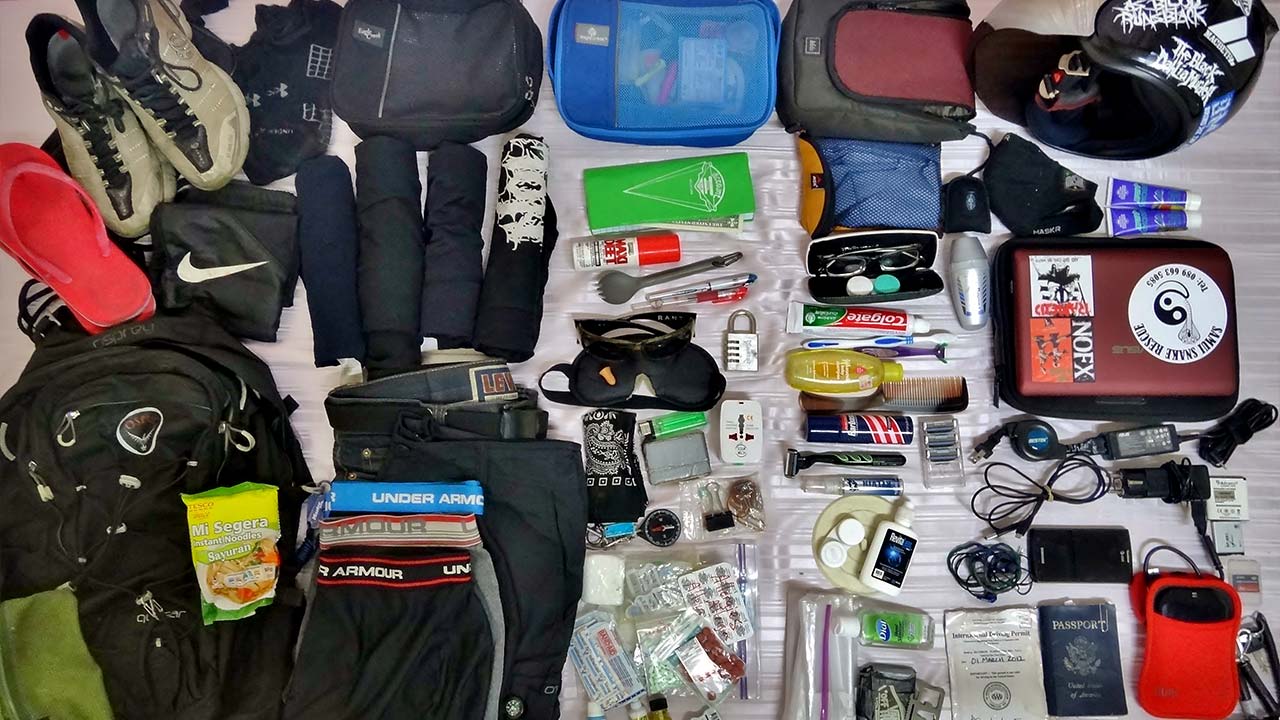
Packing List

If you are wondering what to pack for the Makalu High Pass Trek, this Himalayan adventure demands gear and layers that can handle everything from humid lowland forests to freezing high-altitude camps. The trekking route is remote, the weather is unpredictable, and once you enter the Barun Valley, there is no easy way to replace missing items. So, packing smart can make or break your trek. Try to properly optimize the package without going overboard on unnecessary things. Here is our suggested Makalu High Pass Trek packing list that you can use as a reference. 

Clothes

  • Moisture-wicking base layers (top and bottom)
  • Fleece or mid-layer jacket for warmth
  • Insulated down jacket for high-altitude nights
  • Lightweight trekking shirts
  • Windproof softshell jacket
  • Waterproof shell jacket and pants 
  • Warm trekking pants 
  • Lightweight pants for lower altitudes
  • Thermal innerwear
  • Gloves ( fleece and waterproof pairs)
  • Warm hat/beanie and buff
  • Several pairs of trekking socks and warm expedition socks
  • Sun hat or cap

Footwear

  • Sturdy and well-broken-in trekking boots with ankle support 
  • Lightweight camp shoes or sandals for evenings
  • Trainer shoes for short hikes
  • Gaiters for snow sections on high passes
  • Optional micro-spikes if your guide recommends (conditions depend on season)

Personal Hygiene and Care

  • Toothbrush, toothpaste and biodegradable soap
  • Quick-dry towel
  • Wet wipes  
  • Lip balm with SPF
  • Sunscreen with UV protection
  • Tissue paper and toilet paper
  • Hand sanitizer
  • Basic first aid 
  • Moisturizer
  • Nail clipper and small mirror
  • Any personal medications 
Packing List for Makalu High Pass Trek

Equipment and Other Essentials

  • 4-season sleeping bag (rated at least -20°C)
  • Headlamp with extra batteries
  • Trekking poles for long ascents/descents
  • Backpack (40 to 50L) and rain cover
  • Duffel bag (for porter)
  • Reusable water bottles or hydration systems
  • Water purification tablets or a filtration system
  • Sunglasses with UV protection
  • Power bank and charging cables
  • Lightweight dry bags for organizing gear
  • A camera with an extra memory card
  • Binocular, map and compass (optional)
  • Travel documents, permits, and some cash
  • Thin liner for sleeping bag
  • Small notebook or journal
  • Board or card game
  • Solar charging option
  • Duct tape/repair kit for quick fixes

Accommodation and Food During Trek

Accommodation on the Makalu High Pass Trek is not on par with the mainstream routes like Annapurna and Everest. But, you will stay in warm and cozy teahouses with clean rooms after long days of trekking. The available accommodation option shifts noticeably as you move from the lower hills to the high alpine zone. In the early sections, you will find simple teahouses with wooden rooms, basic beds, shared dining areas, and homely hospitality. Although they are not luxurious, they give you a comfortable place to recover after long days.

Once you climb past Kauma Danda and you will enter the more isolated stretches and lodging becomes more rustic in these parts. Rooms are colder, facilities are limited, and everything feels quieter and more remote. Although it is still manageable, you will start to feel the wilderness closing in. To keep yourself warm and comfortable at the higher altitudes during the Makalu High Pass Trek, a sleeping bag is non-negotiable. Beyond Shershong and Makalu Base Camp, the trek takes you to a region with semi-expedition features. The stone lodges here are extremely basic, and from Swiss Base Camp onward, you will shift to camping.

 Nights are freezing, the stretches are completely isolated and the oxygen is thin. This is where good gear and a reliable support team make all the difference. After crossing Amphu Lapcha and entering the Khumbu, you will experience the contrast immediately. Your destination along the route, like Chukung, Pangboche, Namche and Lukla, offer the comfort and luxury of the mainstream route. 

Available Food Option

Food on Makalu High Pass Trek route is simple, carb-rich, and designed to keep you energized through long climbs and high-altitude days. The menus are not as extensive as the major trekking destinations, but you will still find enough variety to stay comfortable. As you climb to higher altitudes, the available menus at the teahouses get shorter. 

Breakfast

  • Porridge (plain, apple, honey, muesli mix)
  • Oatmeal  
  • Tibetan bread or fried bread with honey or jam
  • Chapati with peanut butter or honey
  • Pancakes (plain, apple, banana)
  • Eggs items (omelet, scrambled, boiled, fried)
  • Toast, jam, butter
  • Cornflakes or muesli (mostly in lower sections)
  • Hash browns or fried potatoes (available in some teahouses)

At the higher part of the trail, the menu shrinks mainly to porridge, eggs, bread, and tea. Although they may be simple menus, they are nourishing and reliable.   

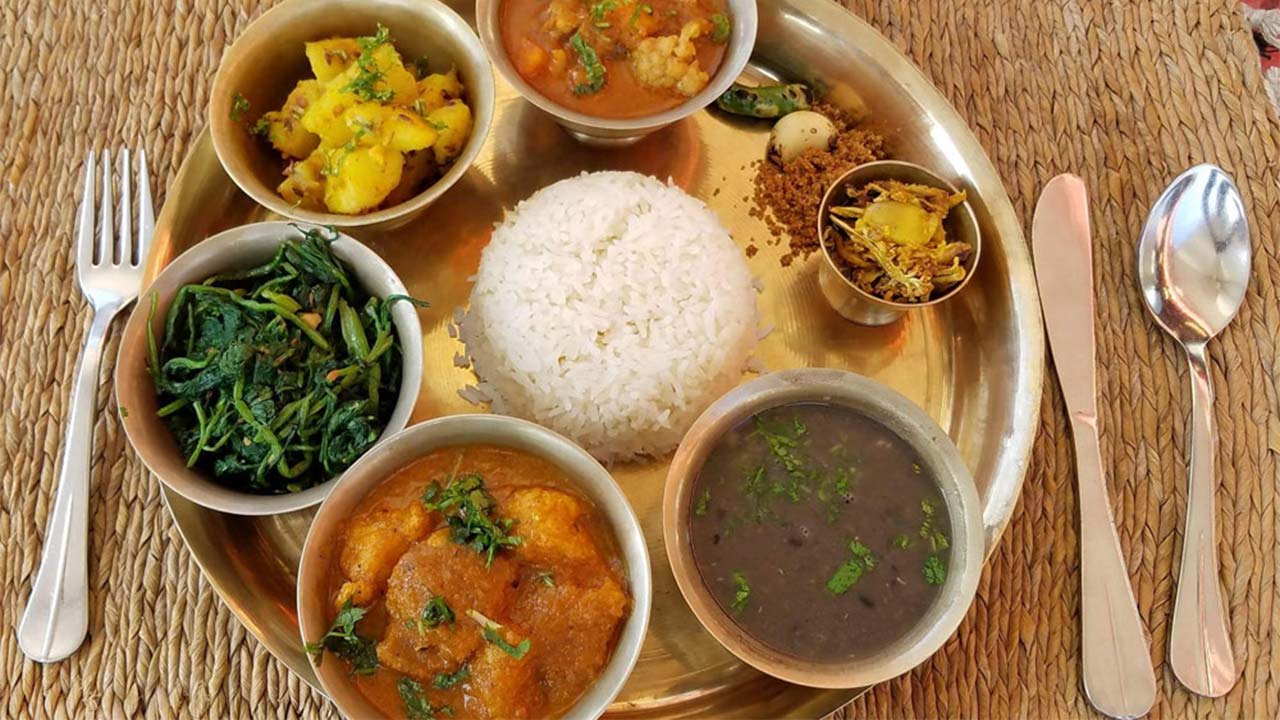
Makalu High Pass Trek Food

Lunch and Dinner 

  • Dal Bhat (rice, lentils, veg curry, pickles and other side dishes- unlimited refill)
  • Fried rice (vegetable, egg)
  • Veg chowmein
  • Mixed veg noodle soup
  • Thukpa (simple Tibetan noodle soup)
  • Roti with potato curry
  • Potato dishes: mashed potatoes, boiled potatoes, fried potatoes
  • Sherpa stew  
  • Momos  
  • Veg fried noodles
  • Vegetable curry with rice
  • Pasta (simple spaghetti or macaroni in the lower villages and Khumbu region)
  • Veg soup varieties (garlic, tomato, mushroom, lentil)
  • Tibetan bread with soup
  • Seasonal greens 

At high camps like Swiss Base Camp or Sherpani Col Base Camp, the dinner option becomes more expedition-style. The teahouses will serve basic soup, noodles, rice, potatoes, whatever is easiest and warmest.

Beverages

  • Milk tea, black tea, lemon tea
  • Ginger tea or ginger honey tea
  • Masala tea 
  • Hot chocolate (found on the Khumbu side)
  • Instant coffee
  • Boiled water (main hydration source)
  • Electrolyte mixes (bring your own)
  • Herbal teas, depending on lodge availability

Training and Preparation

Don’t take the Makalu High Pass Trek as just another long Himalayan walk. This is a demanding high-altitude journey that combines steep climbs, long trekking days, and technical pass crossings. That’s why good preparation makes the difference between simply surviving the trail and actually enjoying the experience. You are recommended to begin your physical training at least 8 to 10 weeks before the trek. You need to focus on building steady endurance rather than extreme intensity. 

Regular hikes on hilly terrain, long walks with a light backpack, and consistent cardio (running, cycling, stair climbing) will help your body adapt to sustained effort. This will make traversing the long stretches of the route less taxing. Similarly, strength training your legs and core is equally important because the trail constantly shifts between forested climbs, exposed ridges, and glacier basins. You will need a good level of stamina and strength to handle the high-altitude route carrying your backpack. 

But you also need to understand that this journey is not all physical. Mental preparation also plays a big role here. You will have to traverse the high-altitude rugged terrain in the region where the weather can change without warning. So, you will need a good level of patience, resilience, and the ability to stay calm even during unpredictable situations. Knowing what the high camps feel like helps set realistic expectations.

Makalu High Pass Trek

Necessary Permits

The Makalu Base Camp Trek takes you through one of Nepal’s most remote and strictly regulated trekking regions. This trekking trail passes through ecologically fragile areas inside Makalu Barun National Park and sensitive settlements near the Tibet border, making official permits mandatory for legal and safe travel. Furthermore, during the returning part, you will also need to pass Sagarmatha National Park and the rural municipality of the Khumbu region. This will add another two permit requirements for the Makalu High Pass Trek route.

Permits Necessary for Makalu High Pass Trek  

  • Makalu-Barun National Park Entry Permit
  • Makalu Rural Municipality Permit
  • Makalu Restricted Area Permit (RAP)
  • Khumbu Pasang Lhamu Rural Municipality Permit
  • Sagarmatha National Park Permit

The National Park and Municipality permits are the core requirements. They regulate tourism, track entry records, and support local communities along the trail. The Restricted Area Permit (RAP) is necessary because the trek passes through sensitive border settlements such as Chepuwa, Hatiya, Kimathangka, and Pawakhola. This permit must be arranged before the trek. 

On the return, as the trekking route enters the Khumbu region via Chukung, Pangboche, Namche Bazaar, and Lukla, you will need the Khumbu Pasang Lhamu Rural Municipality Permit and Sagarmatha National Park Permit. These permits are essential for your entry into the Everest region. 

Makalu High Pass Trek Cost

As the Makalu High Pass Trek is one of Nepal’s remote and challenging routes, its cost reflects the level of planning, support, and logistics required. It is not a budget trek, but it is also far from the most expensive Himalayan expedition. On average, you can expect the Makalu High Pass Trek cost to be around US$ 3,500 to US$ 4,500 per person. However, this price range can vary depending on the season, group size, length of the trek, and the services included in the package. 

The trekking package at this budget range generally covers the key essentials such as all necessary permits, teahouse accommodation along the trail, daily meals, internal transport, a licensed guide, and taxes. Optional additions, like a helicopter return from Lukla, private guiding, or extra side trips, will increase the overall cost. As the trail passes through extremely remote valleys, high passes, and areas with limited infrastructure, trekking with a professional operator is a necessity. The restricted status of the region requires trekkers to travel with a government-licensed guide.

A good and reputable operator like Eco Holidays Nepal will take care of all logistics, from arranging accommodation to securing permits, organizing meals, and handling any unexpected situations. The security aspect also allows you to focus entirely on the trek itself without worrying about the small but crucial details.

Makalu High Pass Trek Itinerary

Travel Visa

Before you set off on the Makalu High Pass Trek, you will need to acquire a valid Nepalese visa. The good news is that Nepal has a very traveler-friendly system designed for adventure seekers, making the process straightforward and hassle-free. For most international travelers, an On Arrival Visa is the easiest available option. You can obtain it directly at Tribhuvan International Airport (TIA) in Kathmandu or at several official land border crossings. The process to apply for this visa is simple. You will just have to fill out a short form at the kiosk, submit your passport, pay the visa fee, and receive your visa.

Nepal offers three main types of visas:

  • 15 Day Visa— US$ 30
  • 30 Day Visa— US$ 50
  • 90 Day Visa— US$ 125

To apply for the travel visa, you will need a passport valid for at least six months from your date of arrival and passport-sized photographs. You can make the payment in cash (USD, EURO, or NPR). Nepal also provides an e-Visa option, which allows you to apply online before your trip. While it is not mandatory, using the e-Visa can save you time at the airport and reduce the stress of paperwork. This way, you can start your adventure as smoothly as possible.

Makalu High Pass Trek FAQs

Makalu High Pass Trek – FAQs

How Long Does the Makalu High Pass Trek Typically Take?

The Makalu High Pass Trek usually takes 24 to 28 days to complete. The overall duration depends on acclimatization, weather conditions, and whether you are combining the Sherpani Col, West Col, and Amphu Lapcha crossings in one push or with additional camp nights.

What is the Highest Point Reached During the Makalu High Pass Trek?

The highest point you will reach during this Makalu High Passes Trekking is West Col at which is at an altitude of 6,135 meters (20,127 feet), followed closely by Sherpani Col at 6,110 meters (20,045 feet). As for the Amphu Lapcha it stands at 5,845 meters (19,176 feet), slightly lower than the other two passes. 

Which Permits Are Required for the Makalu High Pass Trek?

As this trekking route takes you across a restricted area and also includes traversing across the Khumbu region on the return leg, you will need five major permits: 

  • Makalu-Barun National Park Entry Permit
  • Makalu Rural Municipality Permit
  • Makalu Restricted Area Permit (RAP)
  • Khumbu Pasang Lhamu Rural Municipality Permit
  • Sagarmatha National Park Permit

Is a Guide Mandatory for the Makalu Trek?

For the Makalu High Pass route, a licensed guide is mandatory because you will be traversing the restricted region and the passes also require rope fixing, glacier navigation, and technical safety support. So, it is much safer to travel with an experienced guide. 

How Difficult Are the High Passes Like Sherpani Col, West Col, and Amphu Lapcha?

These passes are among Nepal’s most demanding journeys and they have been graded as challenging and strenuous. You should expect steep ice slopes, crevasses, fixed rope ascents/descents, and exposure to strong winds. These high passes are significantly harder than normal trekking passes like Thorong La or Cho La.

Do I Need Technical Climbing Skills for the Makalu High Pass Trek?

Yes, at least basic alpine skills help such as using crampons, handling fixed ropes, descending with a jumar, and balancing on icy sections, will help you a lot while traversing the technical passes. You don’t need to be a mountaineer, but you must be comfortable with technical terrain under guided supervision.

Is Camping Required on the High Pass Trekking Makalu?

Once you are past Makalu Base Camp, the route becomes extremely remote. Camping is mandatory, especially at sites like Swiss Base Camp, Sherpani Col Base Camp, Baruntse Base Camp and  Amphu Lapcha Base Camp. 

What is the Risk of Altitude Sickness on This Route?

The risk is high, mainly because the trek spends several days above 5,000 meters and crosses passes above 6,000 meters. You will need to follow a proper acclimatization schedule, ascend slowly and stay hydrated; contingency days are also equally important. 

Can Solo Trekkers Do the Makalu High Pass Trek?

Solo trekking is not advisable and not allowed for the Makalu High Pass Trek. This route passes through restricted areas near the Tibetan border, and demands technical skills and equipment. So trekking without a guide or a structured team is not allowed and not possible as well.  

How Physically Fit Should I Be to Attempt This High Pass Trek?

You need excellent physical conditioning as you will need to traverse the technical high passes and rugged terrain in some of the most isolated corners of the Himalayas. Prior high-altitude trekking and some mountaineering experience make this trek much safer and more enjoyable.

Traveller Review

  • Tripadvisor4.8
  • Google4.7
  • A
    Amara Ndlovu28th Jul, 2025

    Unbelievable Experience on the Makalu Base Camp Trek

    I still can’t believe I’ve completed the Makalu Base Camp Trek. It was honestly the best experience I’ve ever had.

    Huge thanks to Eco Holidays Nepal for helping me with everything, from providing a complete list of documents needed for the trek to offering full support throughout the journey. What truly touched me was the caring and helpful nature of Eco Holidays Nepal.

    Even when we arrived late at night in Nepal, Mr. Dhruba personally came to the airport and made sure we reached the hotel safely. During the trek, the follow-up and attention to any issues or needs were incredible.

    Thank you for all the support, care, and unforgettable memories. This trek will always stay in my heart.


  • L
    Leila Haddad11th Jun, 2025

    Best Trek of my Life Makalu Trek

    It was my first time in Nepal. I found Eco Holidays Nepal through Google and contacted Mr. Dhruba. I told him that I wanted to go trekking, but I preferred a less crowded and less explored destination. He suggested the Makalu High Pass trek as the best option.

    When I arrived in Nepal, the warm welcome, the excellent service, and the overall trekking experience provided by Eco Holidays and Mr. Dhruba’s team were absolutely wonderful.

    I think the Makalu High Pass trek was the best trek of my life. I have explored many trekking destinations in different countries, but this one truly stood out.

    Thank you for everything. When I returned home I felt very emotional. It was a feeling I can’t fully describe in words.

    Thanks a lot


Read All Review
Price fromUS $3850 pp23 Nights, 24 Days
Check Availability
  • No-hassle best price guarantee
  • Customer care available 24/7
  • Hand-picked Tours & Activities

Need Help?

  • +977-9851136074Call Us (Viber/Whatsapp)
  • [email protected]Mail Us
Start FromUS $3850
Book Now
240 reviewson TripAdvisor
Eco Holidays Nepal

Subscribe Newsletter

To receive travel news, updates and offers via email.

Eco Holidays Nepal

  • Paknajol Marg, Thamel, Kathmandu, NepalHead Office
  • +977 9851136074Call Us
  • [email protected]Mail Us

Destinations

  • Nepal

    87+ Tours & activities
  • Tibet

    06+ Tours & activities
  • Bhutan

    04+ Tours & activities

Travel Info

  • Geography of Nepal
  • Foods and Cuisines
  • People Language and Culture
  • Vehicle Hiring and Airline Ticketing
  • Embassies and Consulates
  • Altitude Sickness
  • Trekking Equipment
  • Trekking Guide and Porter
  • Trekking Seasons in Nepal
  • Responsible Tourism
  • Translator on Hire
  • Tourist Visa In Nepal

CERTIFICATES & PARTNERS

Nepal Government
NTB
TAAN
NMA
Viator
Trip Advisor
Tour Radar
BookMundi
All content and photography within our website is copyright & may not be reproduced without our permission. Most of the photographs of this website are provided by Professional Photographers. © 2025, Eco Holidays Nepal Pvt. Ltd.
We Accept